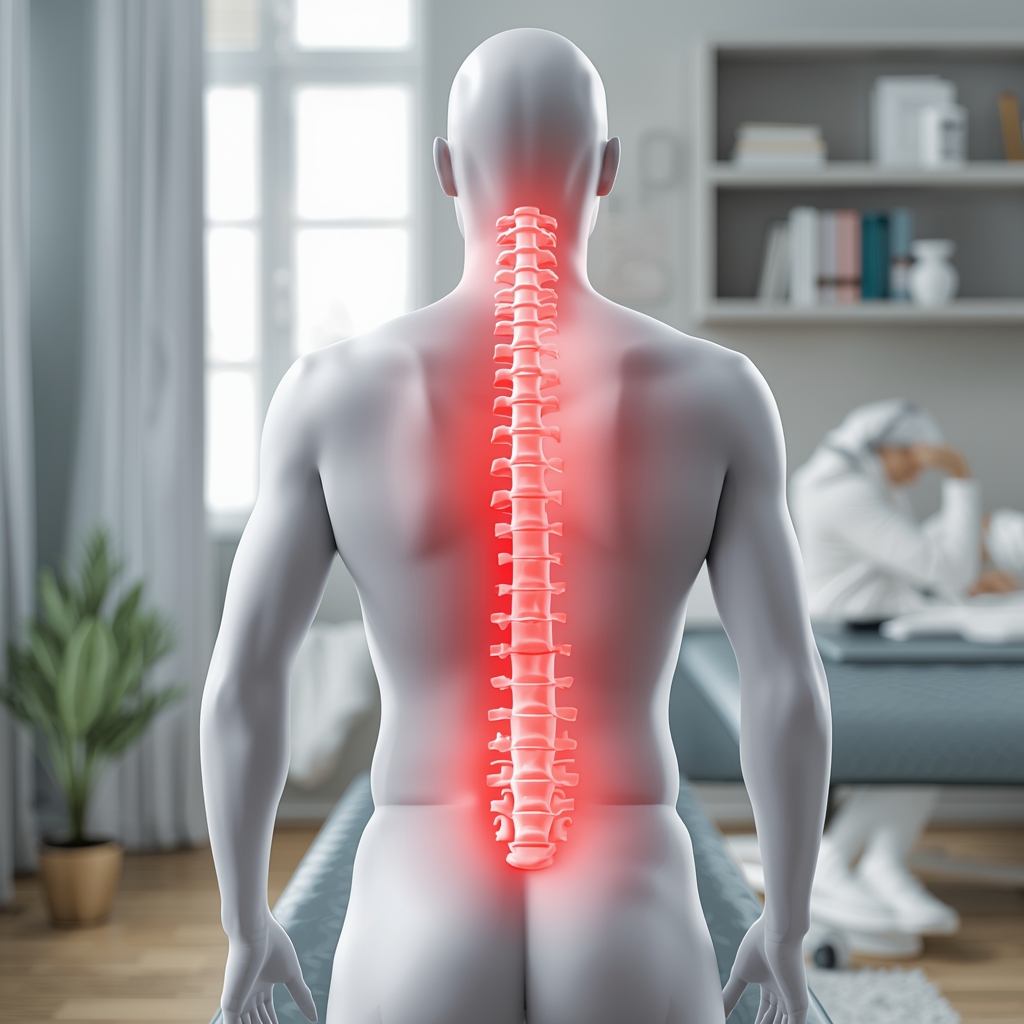
Introduction to Spinal Anatomy and Chronic Lower Back Pain
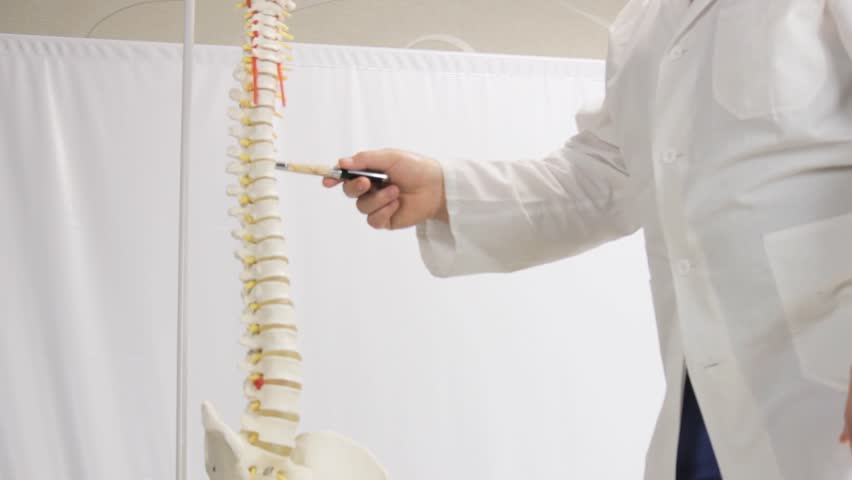
Understanding spinal anatomy is fundamental in addressing chronic lower back pain. The spine, comprising cervical, thoracic, lumbar, sacrum, and coccyx regions, is a complex structure that provides support, flexibility, and protection for the spinal cord. Chronic lower back pain, often related to the lumbar region, can stem from various factors including poor posture, muscle strain, and structural issues such as herniated discs or spinal stenosis. A thorough comprehension of spinal anatomy helps in identifying the root cause of the pain and in devising an appropriate treatment plan.
The Structures Involved in Lower Back Pain
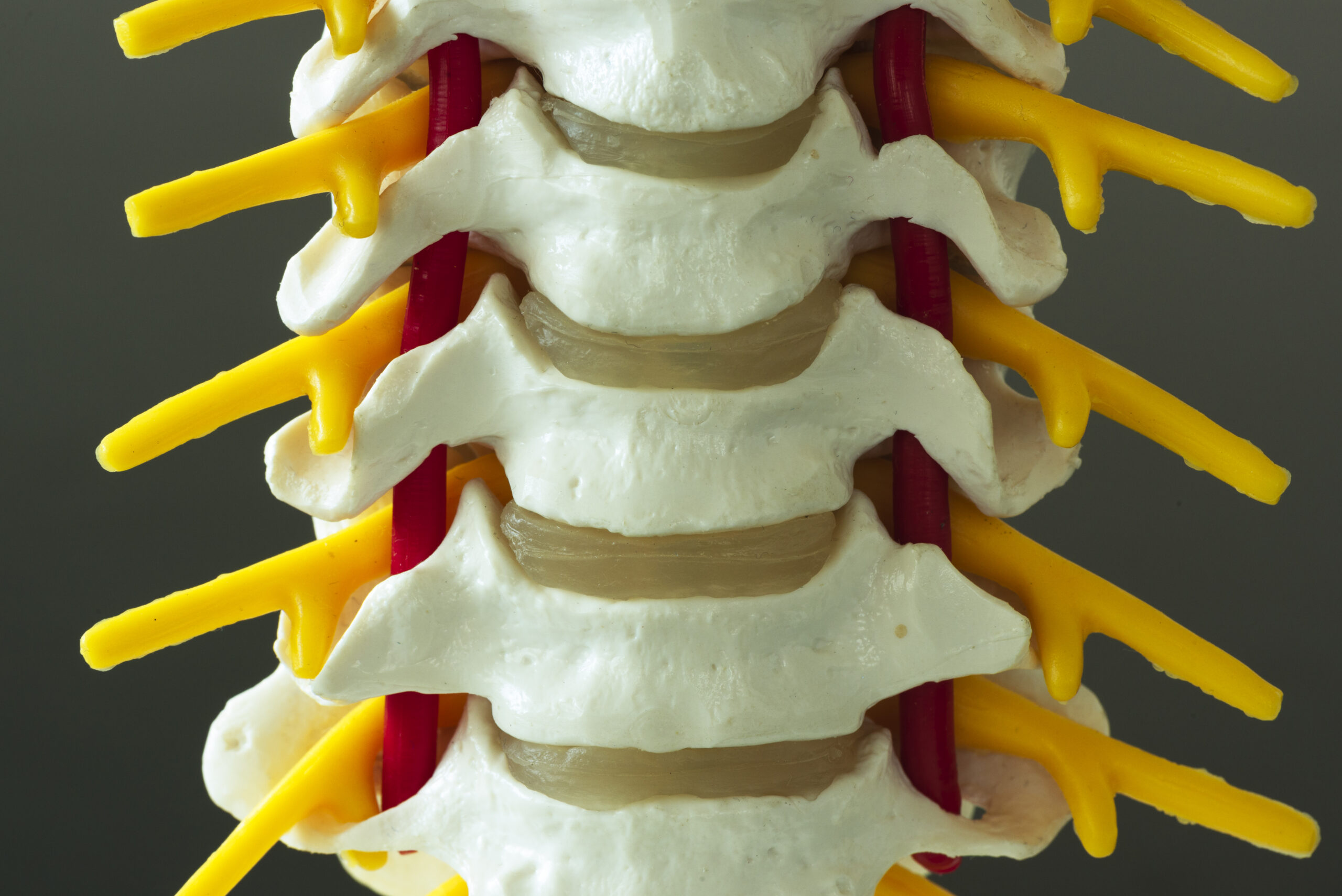
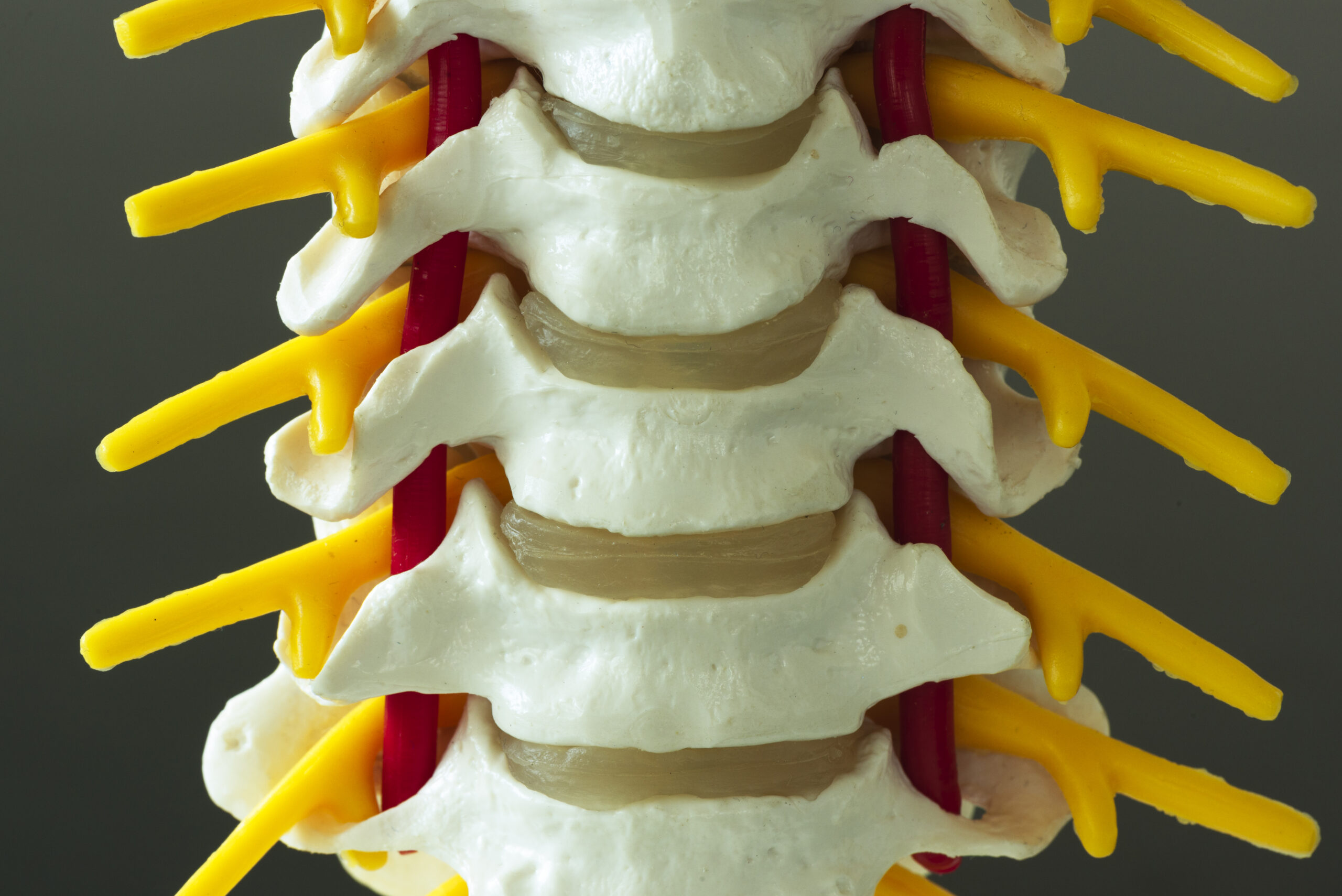
The lumbar spine, consisting of five vertebrae (L1-L5), is subject to significant stress and strain due to its position and the weight it bears. The intervertebral discs, which act as shock absorbers between the vertebrae, can become herniated or bulge, putting pressure on the surrounding nerves and causing pain. Additionally, the facet joints, which provide flexibility to the spine, can become inflamed or damaged, leading to pain and stiffness. Understanding these structures and their potential issues is crucial for effective pain management.
How Chiropractic Care Addresses Chronic Lower Back Pain
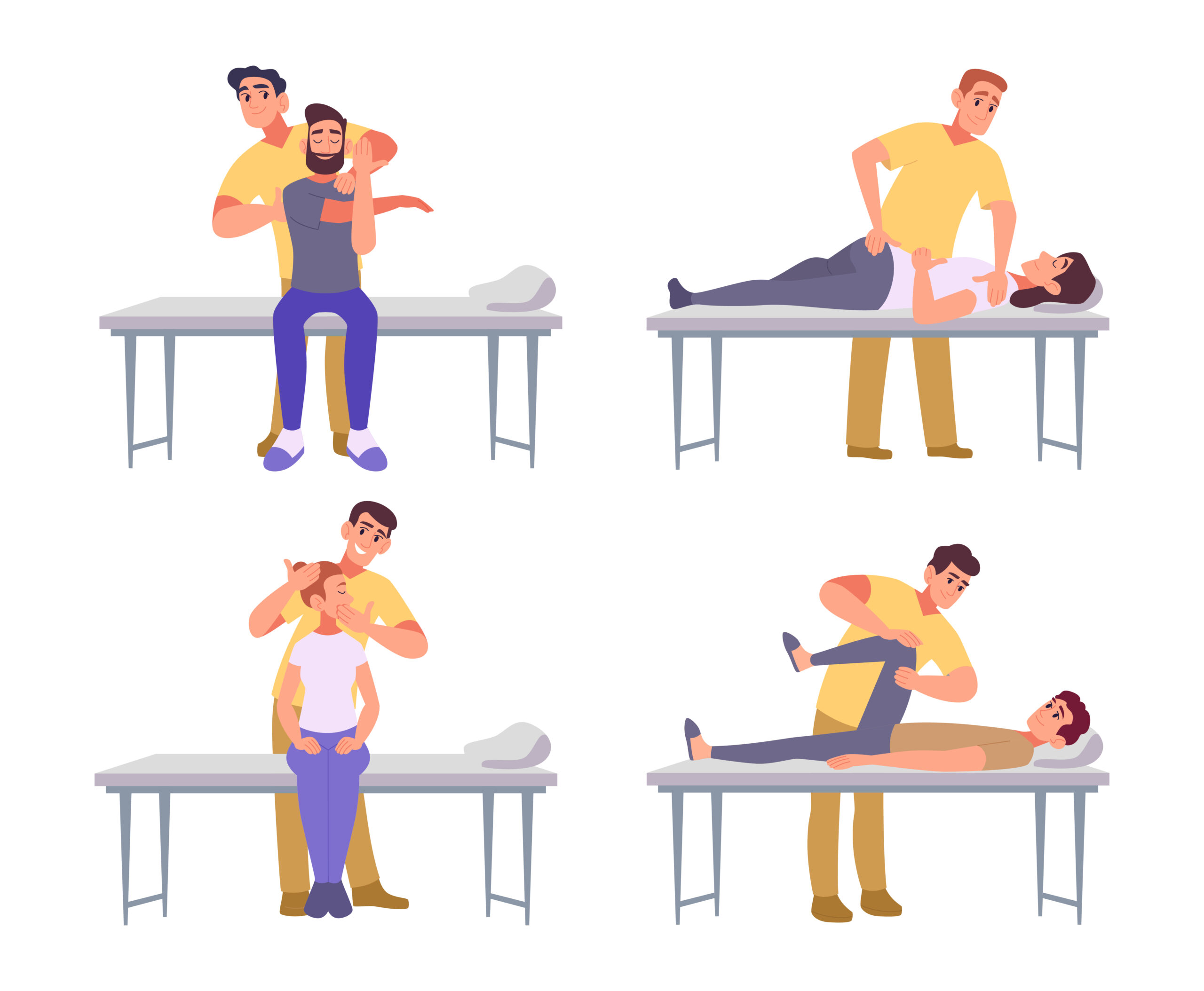
Chiropractic care plays a significant role in managing chronic lower back pain through non-invasive and drug-free methods. Chiropractors use spinal adjustments and manipulations to restore the proper alignment and movement of the spine, relieving pressure on the muscles and nerves. This approach can help in reducing pain, improving mobility, and enhancing the body's natural healing processes. Furthermore, chiropractors often recommend corrective exercises and lifestyle modifications to prevent future episodes of pain and to promote overall spinal health.
The Importance of Spinal Anatomy in Chiropractic Adjustments
A deep understanding of spinal anatomy is essential for chiropractors to perform adjustments safely and effectively. By knowing the precise location and function of each spinal structure, chiropractors can target the specific areas of dysfunction, applying the appropriate amount of force and technique to restore normal spinal function. This precision not only enhances the efficacy of the treatment but also minimizes the risk of adverse effects, making chiropractic care a safe and viable option for managing chronic lower back pain.
Integrating Spinal Anatomy Knowledge into Treatment Plans
For individuals suffering from chronic lower back pain, integrating knowledge of spinal anatomy into their treatment plans can be highly beneficial. By understanding the underlying causes of their pain, individuals can better adhere to their treatment plans, which may include regular chiropractic adjustments, exercise routines, and postural corrections. This integrated approach, combining professional care with personal responsibility, can lead to more effective and sustainable pain management outcomes.
Conclusion: The Future of Chronic Lower Back Pain Management
In conclusion, spinal anatomy plays a pivotal role in understanding and managing chronic lower back pain. As research and clinical practices continue to evolve, the importance of a detailed understanding of spinal structures and their functions will only grow. By leveraging this knowledge, chiropractors and their patients can work together to develop personalized treatment plans that address the root causes of pain, promoting not just relief but also long-term spinal health and wellness. For those seeking to manage their chronic lower back pain, consulting with a chiropractor who can provide a comprehensive assessment and tailored treatment approach based on spinal anatomy can be a significant step towards a pain-free life.