
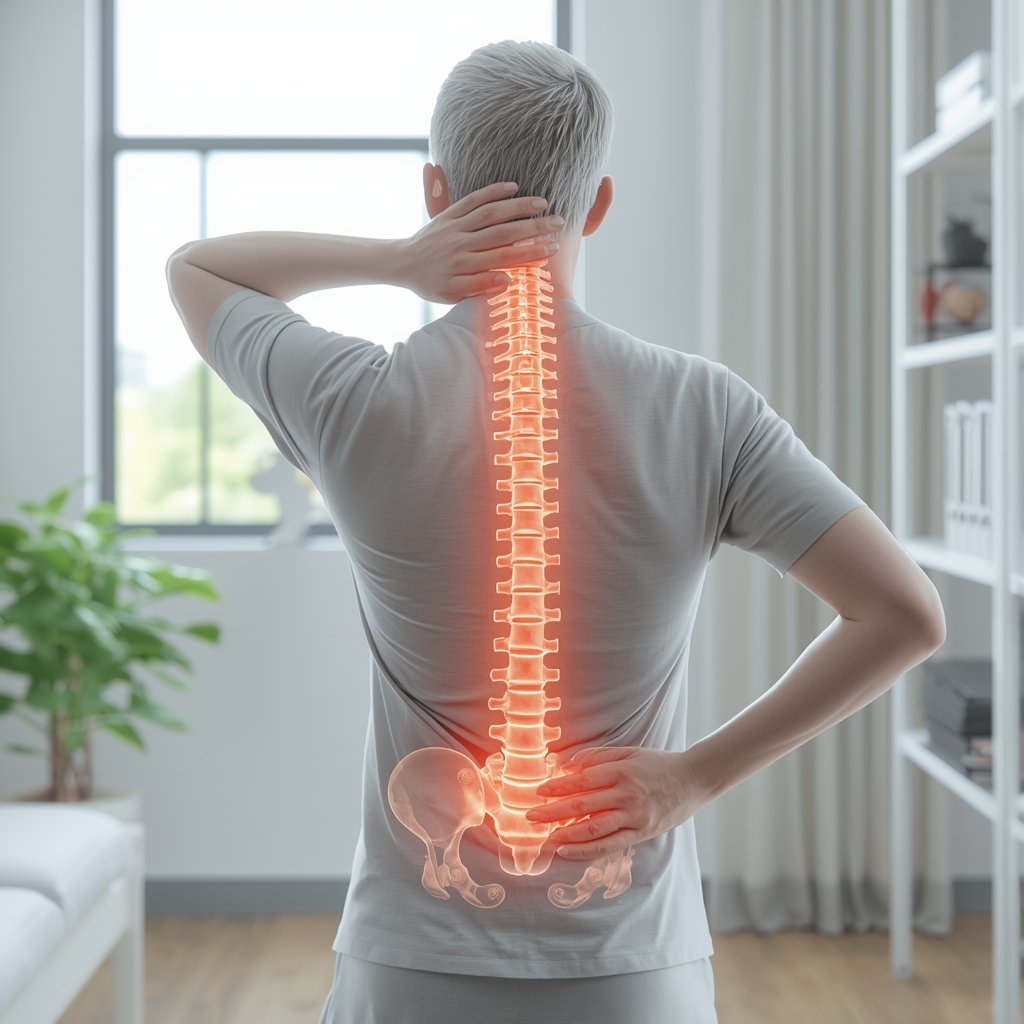
The Lumbar Spine's Structure and Function
The lumbar spine consists of five vertebrae (L1-L5) stacked to provide stability and support for the lower back. Each vertebra is separated by intervertebral discs, which act as shock absorbers and allow flexibility. The facet joints between vertebrae enable movement, while the spinal canal protects the nerves exiting the spine. The lumbar region bears significant weight and stress, making it vulnerable to wear and tear. Its structure also influences posture and mobility, with the natural inward curve (lordosis) playing a key role in distributing forces. Understanding this anatomy helps explain why structural imbalances or injuries here often lead to lower back pain, as misalignments or degeneration can disrupt normal function and irritate surrounding tissues.
Structural Factors Contributing to Lower Back Pain
Several structural elements of the lumbar spine can contribute to lower back pain. Herniated discs occur when the soft inner material protrudes, potentially pressing on nerves and causing inflammation. Facet joint dysfunction, often due to arthritis or overuse, can limit movement and create localized pain. Spinal stenosis, a narrowing of the spinal canal, may compress nerves, leading to radiating discomfort. The sacroiliac joints, connecting the spine to the pelvis, are also common pain sources. Additionally, weakened muscles or ligaments around the lumbar spine can destabilize the area, increasing injury risk. These structural vulnerabilities highlight the importance of maintaining spinal health through proper posture, exercise, and professional care to prevent or manage chronic pain.
Key Anatomical Considerations for Chiropractors
Chiropractors focus on the lumbar spine’s alignment, mobility, and nerve function when addressing lower back pain. They assess vertebral positioning to identify subluxations—misalignments that may interfere with nerve communication. The intervertebral discs and facet joints are evaluated for degeneration or inflammation, which can restrict movement. Nerve pathways, particularly the sciatic nerve, are examined for compression or irritation. Muscle imbalances and ligament laxity are also critical factors, as they can alter spinal mechanics. By understanding these anatomical relationships, chiropractors develop tailored treatment plans. Techniques like spinal adjustments, soft tissue therapy, and rehabilitative exercises aim to restore balance and function. This holistic approach emphasizes the interconnected nature of the lumbar spine’s structures in overall musculoskeletal health.
The Role of Spinal Curves in Lower Back Health
The lumbar spine’s natural curve, known as lordosis, is essential for distributing mechanical stress and maintaining proper posture. A flattened or exaggerated curve can strain surrounding muscles and joints, leading to pain. For example, excessive lordosis (swayback) may increase disc pressure, while reduced lordosis (flat back) can cause muscle fatigue. Chiropractors evaluate these curves during assessments, as imbalances often stem from poor posture, weak core muscles, or injury. Correcting these issues through adjustments, exercise, or ergonomic changes can alleviate discomfort. Additionally, the relationship between the lumbar spine and the pelvis is crucial, as pelvic tilt directly affects spinal alignment. Maintaining optimal curvature supports long-term spinal health and reduces the risk of chronic lower back problems.
Nerve Root Compression and Its Implications
Nerve root compression in the lumbar spine is a common cause of lower back pain, often resulting from herniated discs, bone spurs, or spinal stenosis. When a nerve root becomes pinched, it can cause localized pain, numbness, or tingling that radiates to the legs—a condition known as sciatica. The lumbar spine’s structure, including the intervertebral foramina (openings where nerves exit), plays a role in this process. Chiropractors carefully assess these areas to identify compression points and determine the best course of action. Adjustments may help realign the spine and relieve pressure, while soft tissue work can reduce inflammation. Understanding the anatomical pathways of nerves is vital for diagnosing and treating nerve-related lower back issues effectively.
Chiropractic Approaches to Lumbar Spine Care
Chiropractors use a variety of techniques to address lumbar spine issues, focusing on restoring balance and function. Spinal adjustments aim to correct misalignments, improving mobility and reducing nerve irritation. Soft tissue therapies, such as massage or trigger point work, can alleviate muscle tension that contributes to pain. Rehabilitative exercises strengthen core and stabilizing muscles, supporting long-term spinal health. Chiropractors also emphasize patient education, teaching proper posture and movement techniques to prevent future issues. While these approaches are widely used, individual responses vary, and a qualified provider should guide treatment. By integrating structural analysis with personalized care, chiropractors help patients manage lower back pain and enhance overall well-being.













