
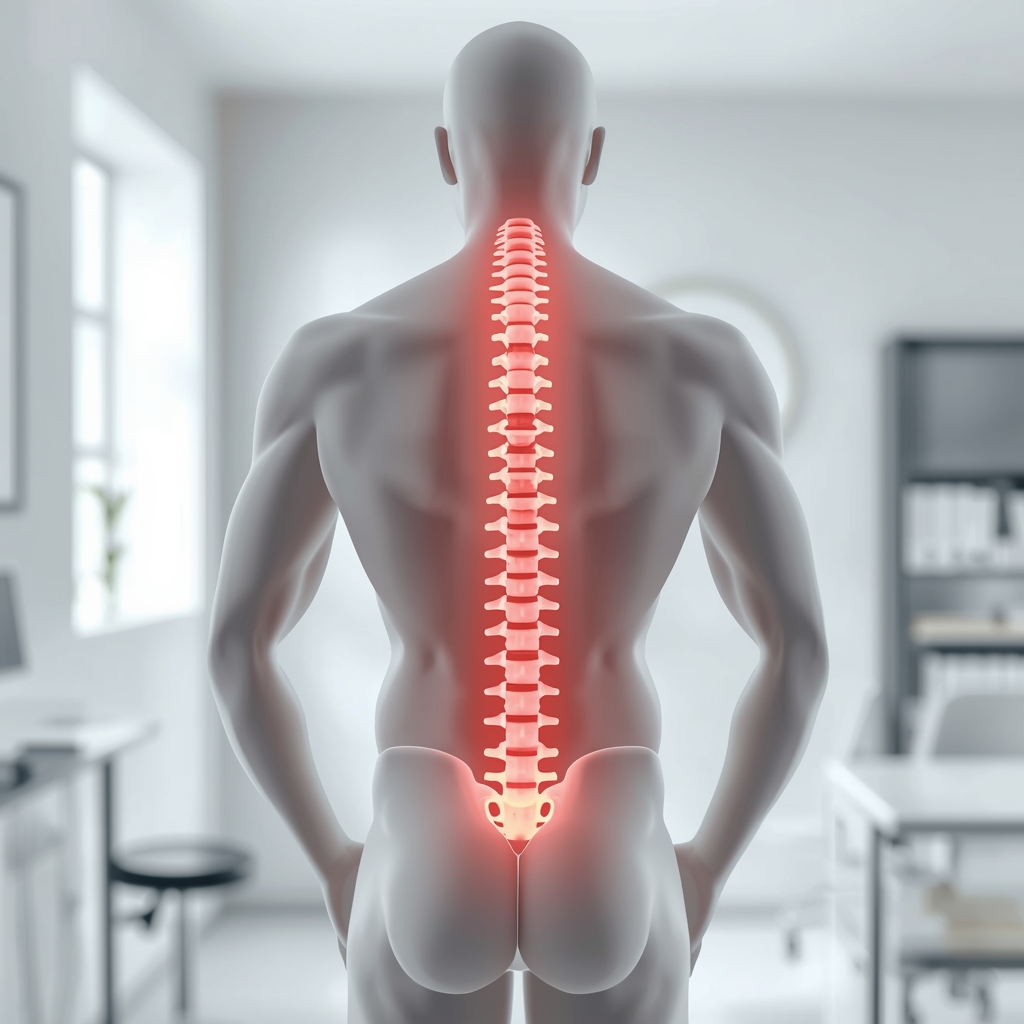
The Lumbar Spine's Structural Vulnerabilities
The lumbar spine, comprising five vertebrae (L1-L5), is a critical area for weight-bearing and mobility. Its unique structure includes intervertebral discs, facet joints, and a network of nerves and muscles. The discs, acting as shock absorbers, can degenerate over time, leading to reduced cushioning between vertebrae. Facet joints, which allow spinal movement, may develop arthritis, causing pain and stiffness. Additionally, the lumbar region's natural lordotic curve can become exaggerated or flattened, altering biomechanics. These anatomical features make the lumbar spine susceptible to chronic lower back pain, especially under repetitive stress or poor posture. Understanding these vulnerabilities helps explain why targeted interventions are often necessary to restore balance and function.
Facet Joints and Disc Degeneration
Facet joints in the lumbar spine are prone to wear and tear, a condition known as facet joint syndrome. This can result from aging, injury, or repetitive motions, leading to inflammation and pain. Degenerative disc disease is another common issue, where discs lose hydration and elasticity, reducing their ability to absorb shock. This degeneration may cause disc herniation, where the inner nucleus protrudes, irritating nearby nerves. Both conditions contribute to chronic lower back pain by limiting mobility and triggering inflammatory responses. Chiropractors often focus on these areas, as misalignments or dysfunction in facet joints and discs can create referred pain patterns. Addressing these structural issues is key to long-term relief and preventing further deterioration.
Neurological and Muscular Contributions
The lumbar spine houses the cauda equina, a bundle of nerves extending from the spinal cord. Compression or irritation of these nerves, often due to herniated discs or spinal stenosis, can cause radiating pain, numbness, or weakness in the legs—a condition known as sciatica. Muscular imbalances also play a role; tightness in the hip flexors or weakness in the core muscles can alter spinal mechanics, increasing strain on the lumbar region. Chiropractors evaluate these neurological and muscular factors through physical exams and patient history. By identifying dysfunctions in nerve pathways or muscle activation, they can tailor adjustments to alleviate pressure and restore optimal function, addressing both structural and soft-tissue contributors to pain.
Chiropractic Assessment Techniques
Chiropractors use a combination of physical examinations, patient history, and diagnostic tools to identify anatomical issues in the lumbar spine. Palpation helps detect areas of tenderness, muscle spasm, or misalignment, while range-of-motion tests assess joint mobility. Imaging studies like X-rays or MRI may be used to visualize disc degeneration, facet joint changes, or nerve compression. Functional assessments, such as gait analysis or posture evaluation, reveal how structural imbalances affect daily movement. These techniques allow chiropractors to pinpoint specific anatomical features contributing to chronic pain. By integrating these findings, they create personalized care plans that address the root causes rather than just symptoms, ensuring targeted and effective interventions.
Targeted Adjustments for Lumbar Relief
Chiropractors employ various adjustment techniques to address lumbar spine issues, focusing on realigning vertebrae and reducing pressure on nerves. Spinal manipulation, a common method, involves quick, controlled thrusts to restore joint mobility. For disc-related problems, techniques like the diversified or Gonstead approach may be used to decompress the spine and alleviate nerve irritation. Soft tissue therapies, such as myofascial release, can ease muscle tension around the lumbar region. Adjustments are often combined with rehabilitative exercises to strengthen core muscles and improve posture. By directly targeting anatomical dysfunctions, these interventions aim to reduce inflammation, enhance mobility, and promote natural healing, offering a non-invasive alternative to medication or surgery.
Integrating Adjustments with Holistic Care
While adjustments address structural issues, chiropractors often recommend complementary strategies to support long-term recovery. Ergonomic adjustments, posture training, and exercise programs help prevent future strain on the lumbar spine. Nutritional guidance and stress management techniques may also be incorporated to reduce systemic inflammation and improve overall well-being. Patients are encouraged to maintain regular check-ups to monitor progress and make necessary adjustments to their care plan. This integrative approach ensures that both immediate pain relief and long-term spinal health are prioritized. By combining manual therapies with lifestyle modifications, chiropractors empower patients to take an active role in managing chronic lower back pain effectively.













