Introduction to Functional Movement Screening
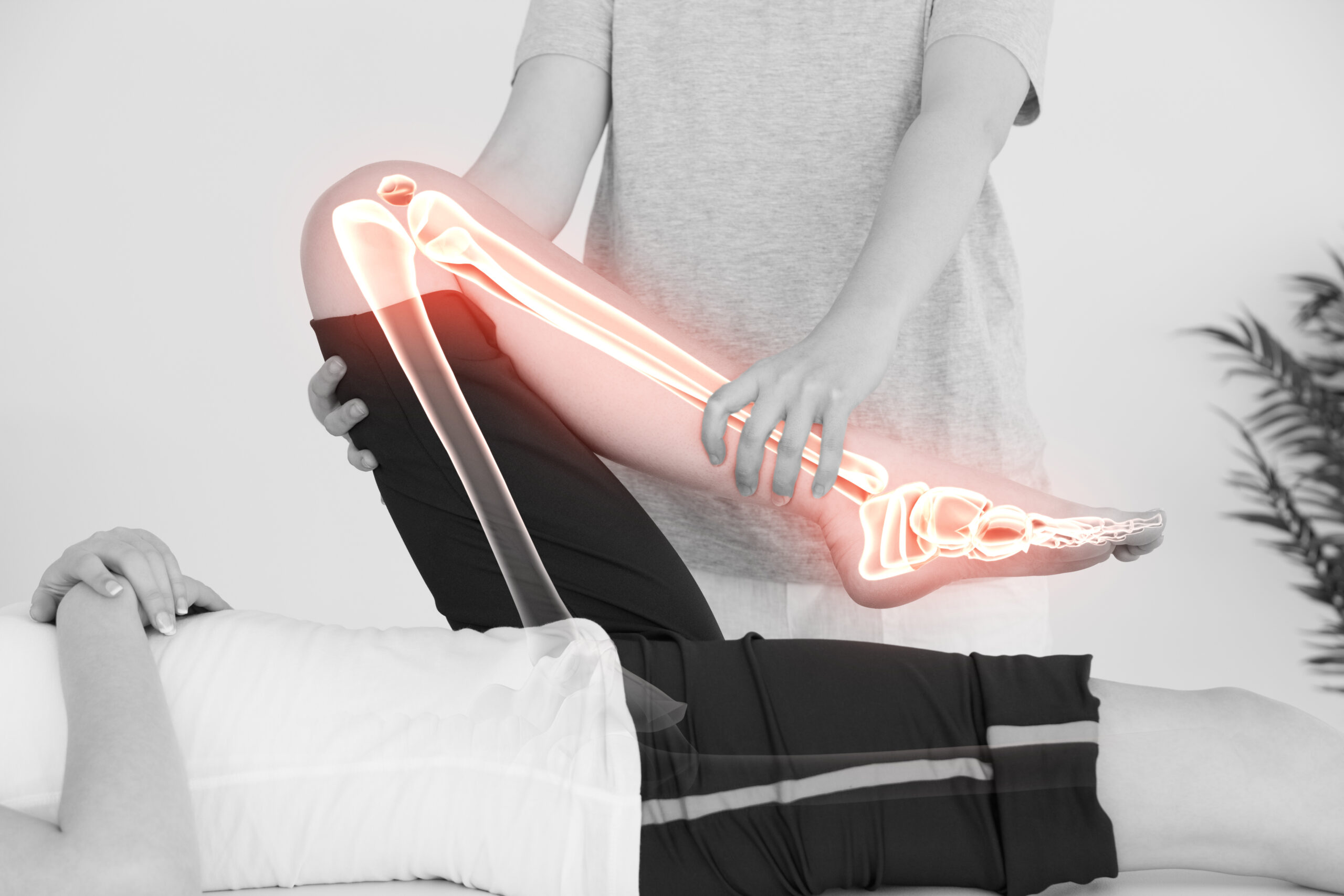
Functional movement screening is a tool used by chiropractors to assess the quality of an individual's movement patterns. This screening process helps identify potential issues that could lead to injuries or exacerbate existing conditions. By evaluating how a person moves, chiropractors can pinpoint areas of weakness, inflexibility, or poor biomechanics that may be contributing to their pain or dysfunction. Many people find functional movement screening helpful in understanding their movement patterns and how they can be improved to prevent injuries.
The Process of Functional Movement Screening
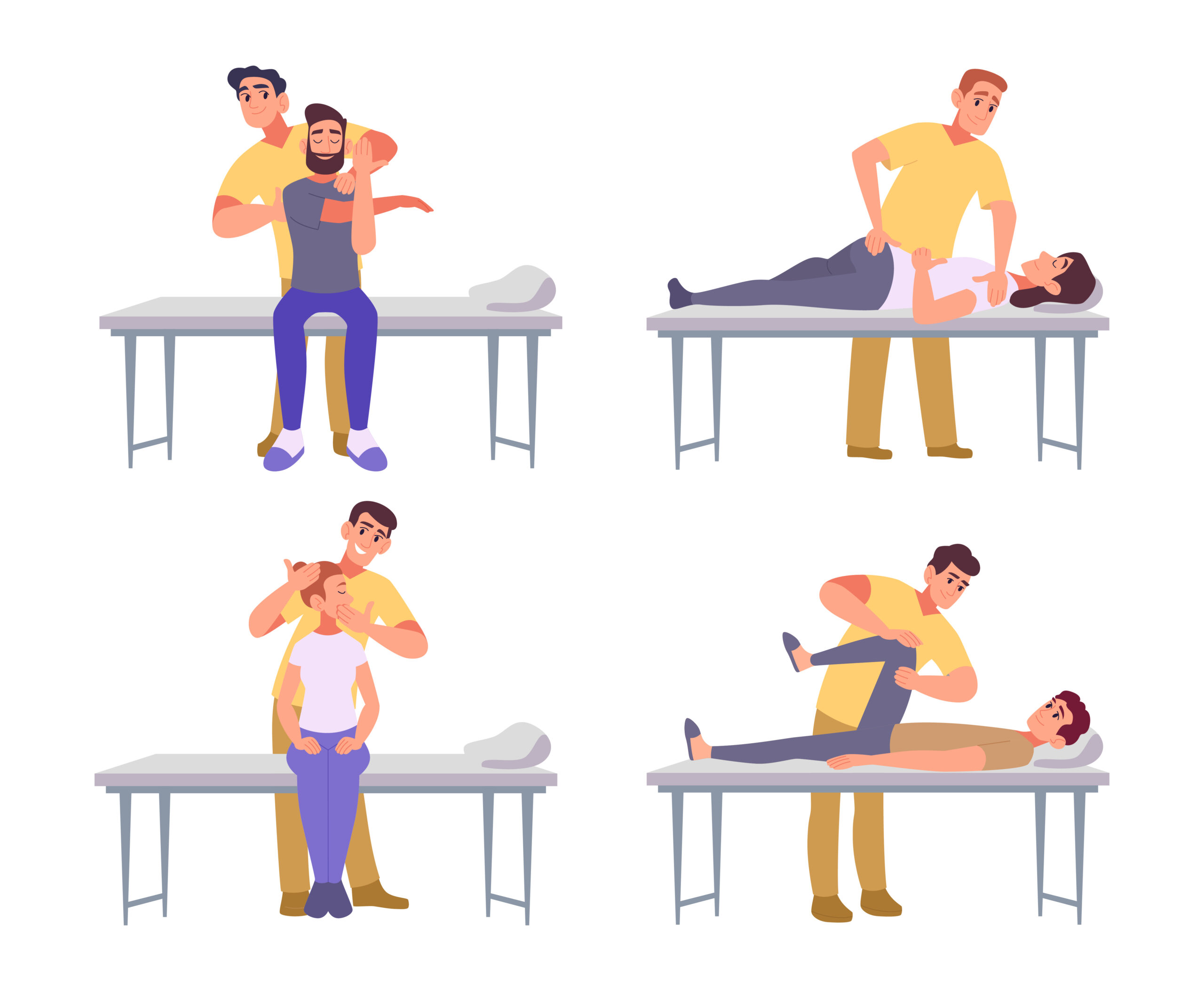
The process of functional movement screening typically involves a series of movements and exercises that are designed to test various aspects of an individual's movement patterns. These may include squats, lunges, step-ups, and other functional movements that mimic daily activities or sports-specific actions. A chiropractor will observe and assess how the individual performs these movements, looking for signs of poor form, imbalance, or other indicators of potential problems. This assessment can help chiropractors understand the underlying causes of a patient's condition and develop a personalized treatment plan.
Identifying Movement Patterns Contributing to Injury
Through functional movement screening, chiropractors can identify specific movement patterns that may be contributing to an individual's injury or condition. For example, a person who has a tendency to overpronate or supinate their feet may be more prone to ankle or knee injuries. Similarly, an individual with poor core stability or weak gluteal muscles may be at risk for lower back pain or hip injuries. By identifying these movement patterns, chiropractors can develop targeted exercises and interventions to help correct them and reduce the risk of injury. A chiropractor can advise whether these exercises fit an individual's situation and help them implement the necessary changes.
Correcting Movement Patterns and Preventing Injuries
Once problematic movement patterns have been identified, chiropractors can work with individuals to develop a plan to correct them. This may involve a combination of exercises, stretches, and other interventions designed to improve flexibility, strength, and overall movement quality. For instance, a chiropractor might recommend specific exercises to strengthen the core or improve balance and coordination. The goal of these interventions is not only to alleviate current symptoms but also to prevent future injuries by promoting more efficient and effective movement patterns. It is essential to discuss these interventions with a qualified chiropractor to determine the best approach for each individual's needs.
The Role of Chiropractic Care in Functional Movement Screening
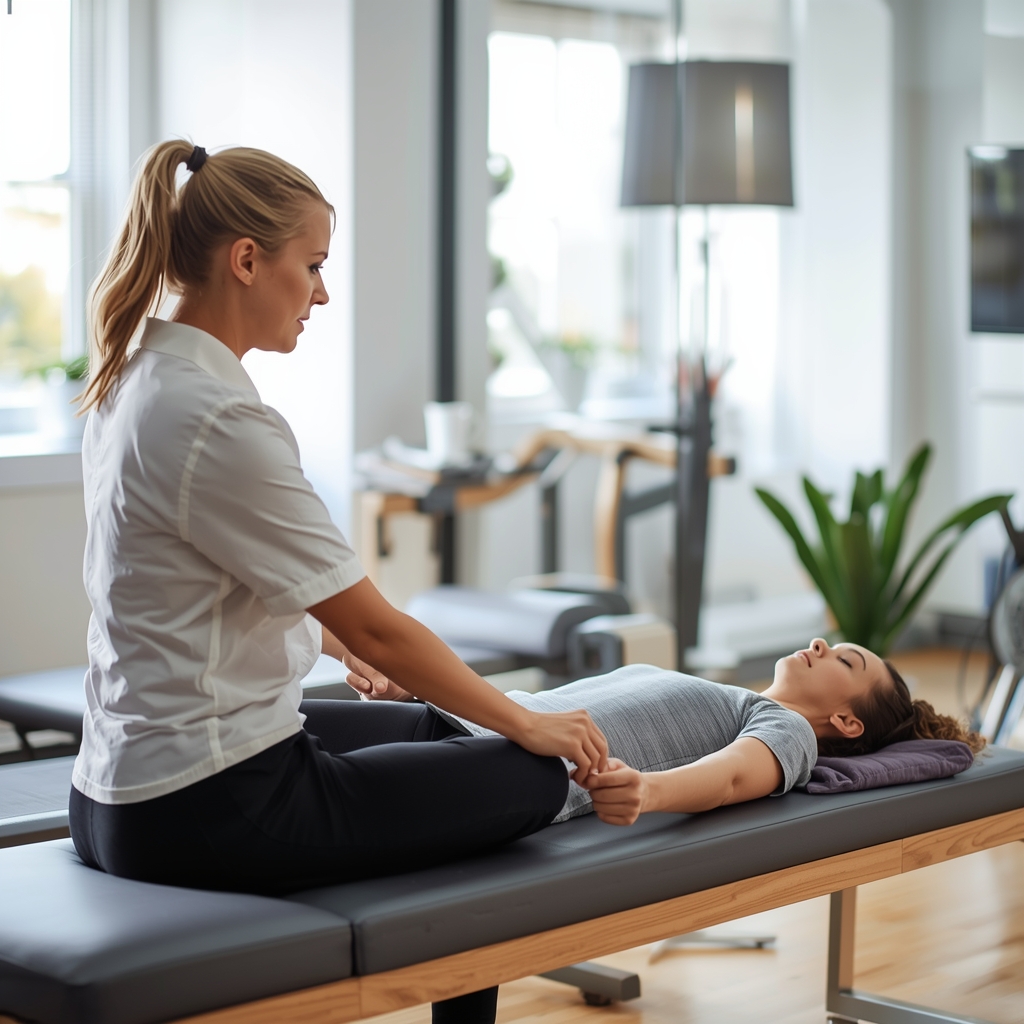
Chiropractic care plays a vital role in functional movement screening, as it provides a holistic approach to addressing movement-related issues. Chiropractors are trained to evaluate and treat the entire musculoskeletal system, including the spine, joints, and soft tissues. By combining functional movement screening with chiropractic adjustments and other modalities, individuals can experience improved movement patterns, reduced pain and inflammation, and enhanced overall well-being. A chiropractor can help individuals understand how their movement patterns affect their health and provide guidance on maintaining a healthy, injury-free lifestyle.
Conclusion and Next Steps
In conclusion, functional movement screening is a valuable tool for identifying and correcting movement patterns that contribute to injury. By working with a chiropractor, individuals can gain a better understanding of their movement patterns and develop strategies to improve them. Whether you are an athlete looking to enhance performance, an individual seeking to prevent injuries, or someone simply wanting to maintain optimal health, functional movement screening and chiropractic care can be a powerful combination. It is recommended to consult with a qualified chiropractor to discuss how functional movement screening can benefit your specific situation and to create a personalized plan for improving your movement patterns and reducing the risk of injury.