
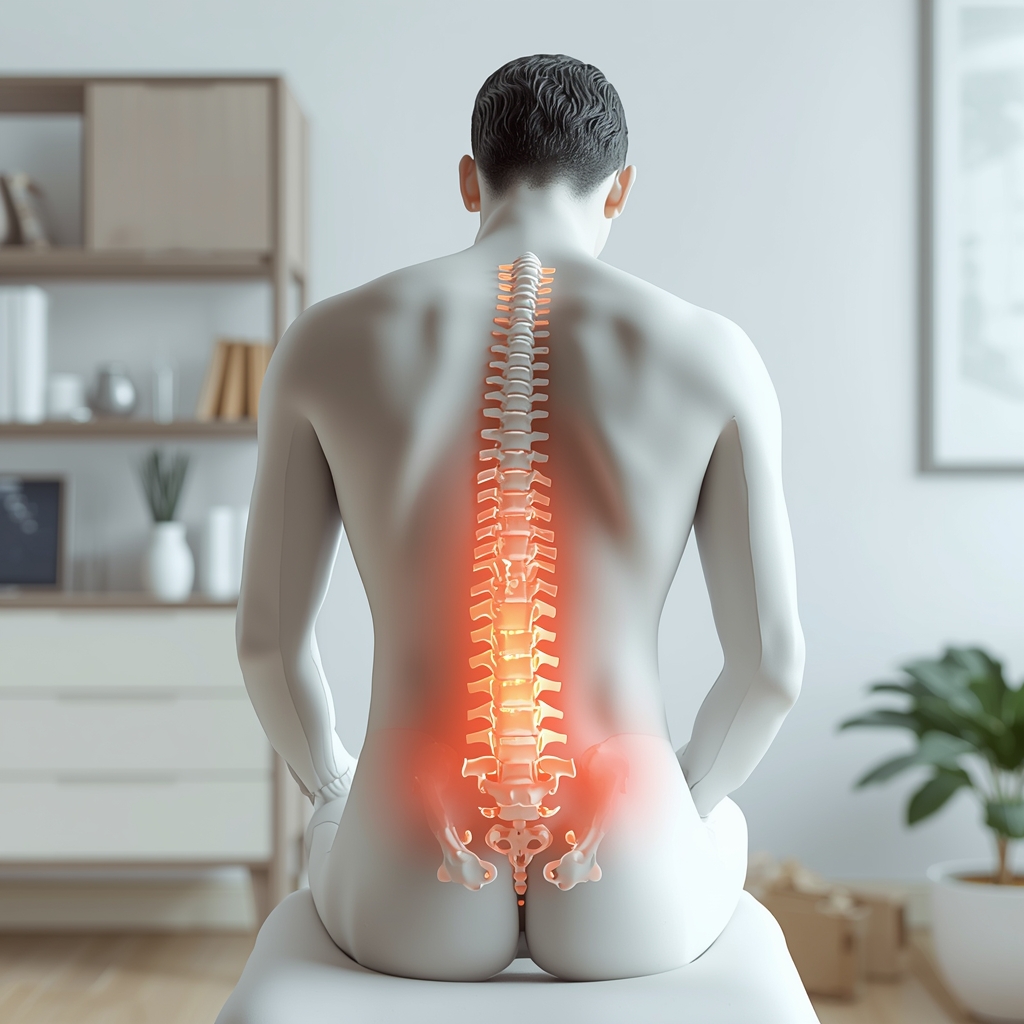
The Lumbar Spine's Structure and Common Pain Sources
The lumbar spine consists of five vertebrae (L1-L5) designed to support body weight and enable movement. Each vertebra features a large, robust body, a vertebral arch, and facet joints that allow limited motion. The intervertebral discs, acting as shock absorbers between the vertebrae, are prone to degeneration or herniation. These structures work together, but their complexity makes them susceptible to strain, misalignment, or wear. Common pain sources include disc bulges, facet joint arthritis, and nerve compression. Understanding these anatomical features helps explain why lower back pain is prevalent and how targeted interventions may alleviate discomfort.
Intervertebral Discs and Herniation
Intervertebral discs are composed of an outer annulus fibrosus and a gel-like nucleus pulposus. Over time, discs may lose hydration, leading to reduced cushioning and increased risk of herniation. A herniated disc occurs when the nucleus protrudes through the annulus, potentially irritating nearby nerves. This can cause radiating pain, numbness, or weakness in the legs—a condition known as sciatica. Chiropractors assess disc health through physical exams and imaging, focusing on restoring proper spinal alignment to reduce pressure on discs and nerves. Techniques like spinal manipulation may help reposition discs and ease associated symptoms.
Facet Joints and Arthritic Changes
Facet joints in the lumbar spine enable bending and twisting movements but are vulnerable to osteoarthritis. Degenerative changes in these joints can lead to inflammation, stiffness, and localized pain. As cartilage wears away, bone spurs may form, further restricting motion and causing discomfort. Chiropractors address facet joint dysfunction by improving mobility and reducing inflammation. Adjustments aim to restore normal joint mechanics, while soft tissue therapies may ease surrounding muscle tension. Patients often report reduced pain and improved range of motion after targeted interventions.
Spinal Nerves and Radiculopathy
The lumbar spine houses spinal nerves that exit through intervertebral foramina. Compression or irritation of these nerves—often due to disc herniation, bone spurs, or spinal stenosis—can cause radiculopathy, characterized by pain, tingling, or muscle weakness along the nerve’s path. Chiropractors evaluate nerve function through neurological exams and imaging. Adjustments may relieve pressure on nerves by realigning the spine, while adjunct therapies like traction or muscle relaxation techniques can further support nerve health. Addressing nerve compression is critical for long-term pain management and functional recovery.
Ligaments and Muscular Strain
Ligaments stabilize the lumbar spine, while muscles provide dynamic support. Overuse, poor posture, or sudden movements can strain these structures, leading to pain and reduced mobility. Ligament sprains or muscle spasms often result from repetitive stress or acute injuries. Chiropractors use manual therapies to relax tight muscles, reduce inflammation, and restore proper biomechanics. Techniques such as soft tissue mobilization and therapeutic exercises help strengthen supporting structures. By addressing both ligamentous and muscular imbalances, chiropractors aim to prevent recurring pain and enhance spinal resilience.
Chiropractic Approaches to Targeting These Areas
Chiropractors employ a range of techniques to address lumbar spine issues, including spinal manipulation, mobilization, and soft tissue therapies. These methods aim to correct misalignments, reduce inflammation, and improve nerve function. Individualized care plans consider the patient’s specific anatomical concerns and lifestyle factors. For example, a patient with disc herniation may receive gentle adjustments to decompress the spine, while someone with facet joint arthritis might benefit from targeted mobilization. Chiropractors also emphasize patient education on posture, ergonomics, and exercise to support long-term spinal health. Collaboration with other healthcare providers ensures comprehensive care for complex cases.













