
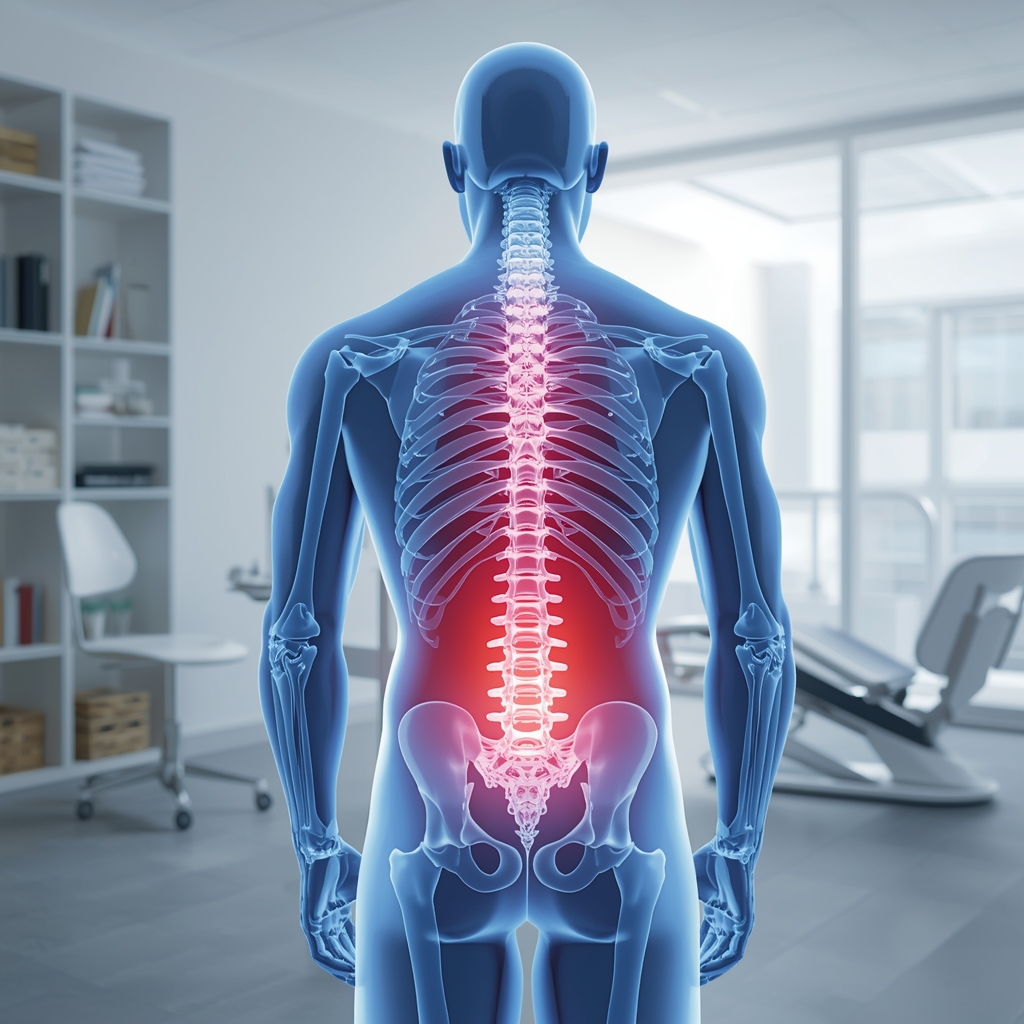
Anatomical Overview of the Lumbar Spine
The lumbar spine consists of five vertebrae (L1-L5) designed to support the upper body’s weight while allowing flexibility. Each vertebra is separated by intervertebral discs, which act as shock absorbers and facilitate movement. The spinal canal within these vertebrae houses the spinal cord, while the sciatic nerve originates from nerve roots exiting the lumbar and sacral regions. These roots merge to form the sciatic nerve, the largest nerve in the body, which runs through the buttocks and down the legs. The lumbar spine’s structure, including the size and alignment of the vertebrae, plays a critical role in preventing nerve compression. Abnormalities in this region, such as disc herniation or spinal stenosis, can disrupt the nerve’s path, leading to sciatic pain. Understanding these anatomical relationships is essential for identifying how structural changes might contribute to nerve-related symptoms.
Key Anatomical Features Linked to Sciatic Nerve Compression
Several anatomical features of the lumbar spine directly influence sciatic nerve compression. The intervertebral discs, particularly when degenerated or herniated, can press against nerve roots, causing inflammation and pain. Spinal stenosis, a narrowing of the spinal canal, reduces space for the spinal cord and nerves, increasing the risk of compression. The intervertebral foramina—openings between vertebrae where nerve roots exit—can also become narrowed due to bone spurs or disc bulging, further restricting nerve passage. Additionally, the lumbar spine’s natural curvature (lordosis) affects how forces are distributed, with excessive or reduced curvature potentially straining nerve structures. The sacroiliac joints, connecting the spine to the pelvis, may contribute to referred pain or altered biomechanics that impact the sciatic nerve. These features highlight the complexity of the lumbar spine’s role in nerve function and the need for precise diagnostic approaches.
Common Causes of Sciatic Nerve Compression
Sciatic nerve compression often arises from structural changes in the lumbar spine. Herniated or bulging discs are frequent culprits, as their displacement can directly press on nerve roots. Degenerative disc disease, which involves the gradual breakdown of discs, may lead to instability and increased pressure on nerves. Spinal stenosis, whether congenital or age-related, narrows the spinal canal and foramina, limiting nerve space. Spondylolisthesis, where a vertebra slips out of place, can also compress nerves by altering spinal alignment. Muscle spasms or tightness in the lower back and glutes may indirectly affect the sciatic nerve by restricting movement or creating tension. Lifestyle factors, such as prolonged sitting, poor posture, or heavy lifting, contribute to these conditions by placing repetitive stress on the lumbar spine. Identifying these causes is crucial for developing targeted treatment strategies that address the root of the issue.
Chiropractic Assessment Techniques
Chiropractors use a combination of clinical evaluation and diagnostic tools to assess lumbar spine conditions affecting the sciatic nerve. Initial exams often include palpation to identify areas of tenderness, muscle tension, or misalignment. Range-of-motion tests help determine how movement impacts nerve function and pain levels. Neurological assessments, such as reflex testing and sensory evaluations, can pinpoint specific nerve involvement. Imaging studies like X-rays or MRI may be recommended to visualize disc herniations, spinal stenosis, or other structural abnormalities. Chiropractors also consider patient history, including injury patterns or lifestyle factors, to contextualize findings. These assessments guide the development of a personalized care plan, ensuring interventions address the unique anatomical and functional challenges of each individual.
Chiropractic Interventions for Sciatic Nerve Compression
Chiropractic care for sciatic nerve compression focuses on reducing pressure on the nerve and restoring spinal function. Spinal adjustments, or manipulations, aim to realign vertebrae, alleviating direct pressure on nerve roots. Techniques like diversified adjustments or activator methods are commonly used to correct misalignments. Spinal decompression therapy may be employed to create space between vertebrae, easing disc-related compression. Soft tissue therapies, such as massage or myofascial release, can reduce muscle tension that contributes to nerve irritation. Chiropractors may also recommend therapeutic exercises to strengthen core muscles and improve posture, supporting long-term spinal health. These interventions are typically part of a broader plan that may include lifestyle modifications, ergonomic adjustments, and referrals to other healthcare providers when needed.
Collaborative Care and Patient Education
Effective management of sciatic nerve compression often requires a collaborative approach involving chiropractors and other healthcare professionals. Chiropractors may work alongside physical therapists, orthopedic specialists, or pain management experts to address complex cases. Patient education is a cornerstone of care, empowering individuals to recognize symptoms, avoid exacerbating activities, and adhere to treatment plans. Chiropractors emphasize the importance of maintaining proper posture, using ergonomic supports, and engaging in regular, low-impact exercise. They also advise patients on safe lifting techniques and stress the value of consistent follow-up care. By fostering a partnership between provider and patient, chiropractic care aims to not only relieve current symptoms but also prevent future episodes of sciatic nerve compression through proactive, informed management.













