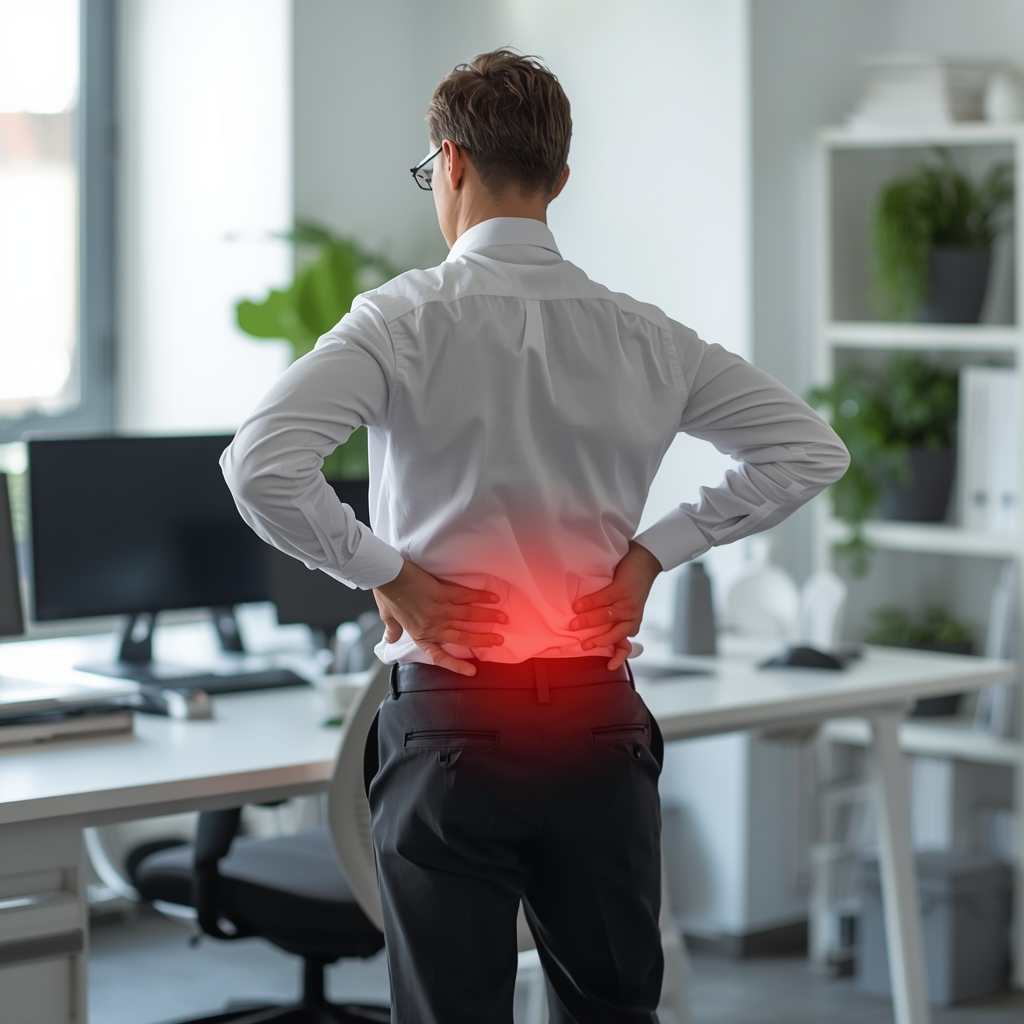
Understanding Postural Imbalances
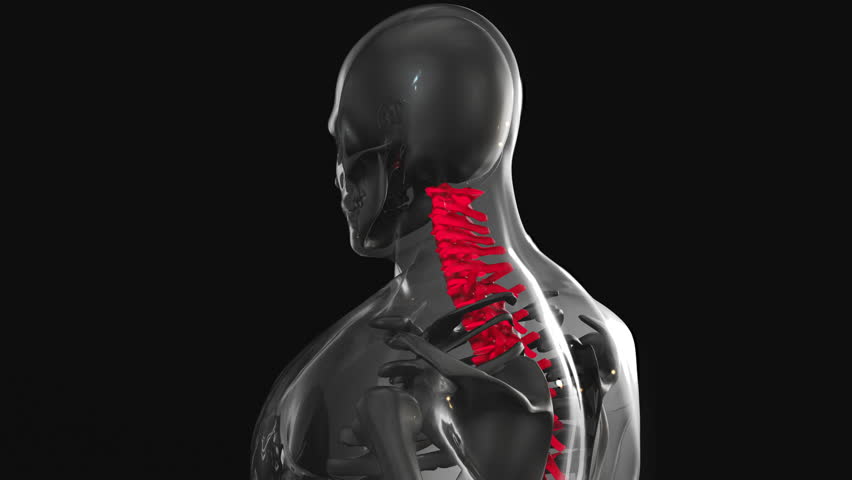
Postural imbalances occur when the body's alignment is disrupted, often due to prolonged sitting, repetitive movements, or poor ergonomic habits. For office workers, extended periods in a seated position can lead to muscle stiffness, weakened core stability, and altered joint mechanics. These imbalances may shift the body’s center of gravity, placing undue stress on the hips. Over time, this can result in discomfort, reduced mobility, and chronic pain. Recognizing the early signs—such as uneven weight distribution or persistent aches—can help address issues before they escalate. While postural imbalances are common, they are not inevitable. Lifestyle adjustments, ergonomic modifications, and targeted interventions can restore balance and alleviate strain on the musculoskeletal system.
How Posture Affects Hip Mechanics
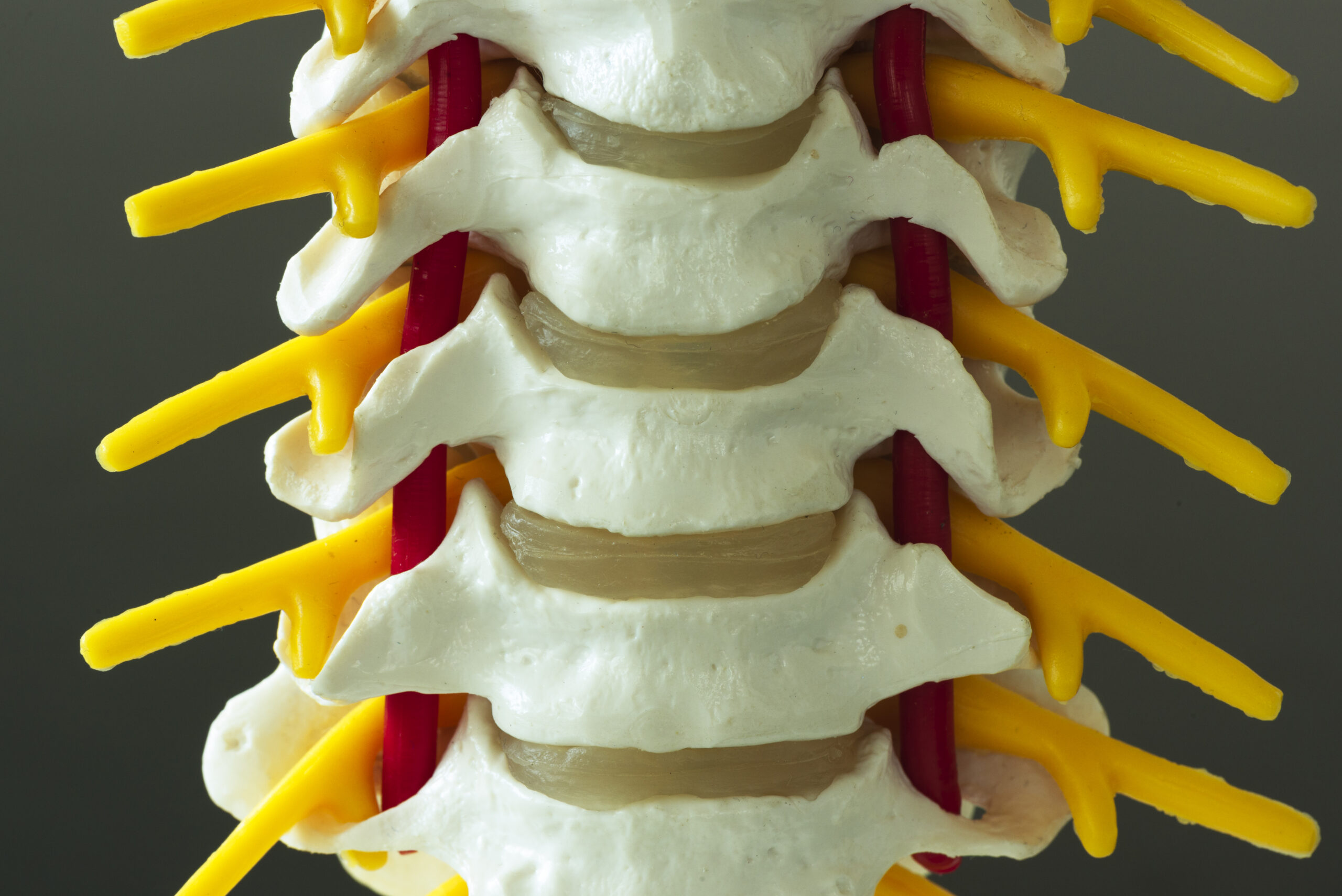
The hips are central to movement, acting as a bridge between the upper and lower body. Poor posture, such as slouching or excessive forward lean, can disrupt the natural alignment of the pelvis and spine, altering the way weight is distributed across the hip joints. This misalignment may cause overuse of certain muscles while others become underactive, leading to compensatory patterns. For example, tight hip flexors from prolonged sitting can pull the pelvis into an anterior tilt, increasing pressure on the lower back and hips. Similarly, weak gluteal muscles may fail to support the pelvis properly, contributing to instability. These biomechanical changes can manifest as pain, reduced range of motion, or even referred discomfort in adjacent areas, highlighting the interconnected nature of posture and hip health.
Common Postural Issues in Office Workers
Office workers often develop specific postural issues due to repetitive, static positions. Forward head posture, where the head shifts ahead of the shoulders, can create a chain reaction of strain throughout the spine, including the hips. Rounded shoulders and a hunched upper back may also contribute to pelvic instability, as the body compensates for the shifted center of gravity. Additionally, sitting with crossed legs or one hip higher than the other can lead to asymmetrical muscle tension, further exacerbating hip discomfort. These habits, if unchecked, can lead to chronic pain and functional limitations. Addressing these issues requires awareness of daily posture, ergonomic adjustments, and proactive measures to counteract the effects of sedentary behavior.
Ergonomic Solutions for Postural Correction
Ergonomic adjustments can play a vital role in mitigating postural imbalances and their impact on hip health. A properly set up workstation—such as an adjustable chair, monitor at eye level, and footrest—supports neutral spine alignment and reduces strain on the hips. Regular movement breaks, even brief stretches or walks, help counteract the effects of prolonged sitting. Incorporating supportive seating with lumbar cushioning can also promote better posture by maintaining the natural curve of the lower back. Additionally, using standing desks or alternating between sitting and standing can distribute pressure more evenly across the body. These strategies, when combined with mindful posture habits, can significantly reduce the risk of hip pain and improve overall comfort during long workdays.
Chiropractic Approaches to Hip Pain
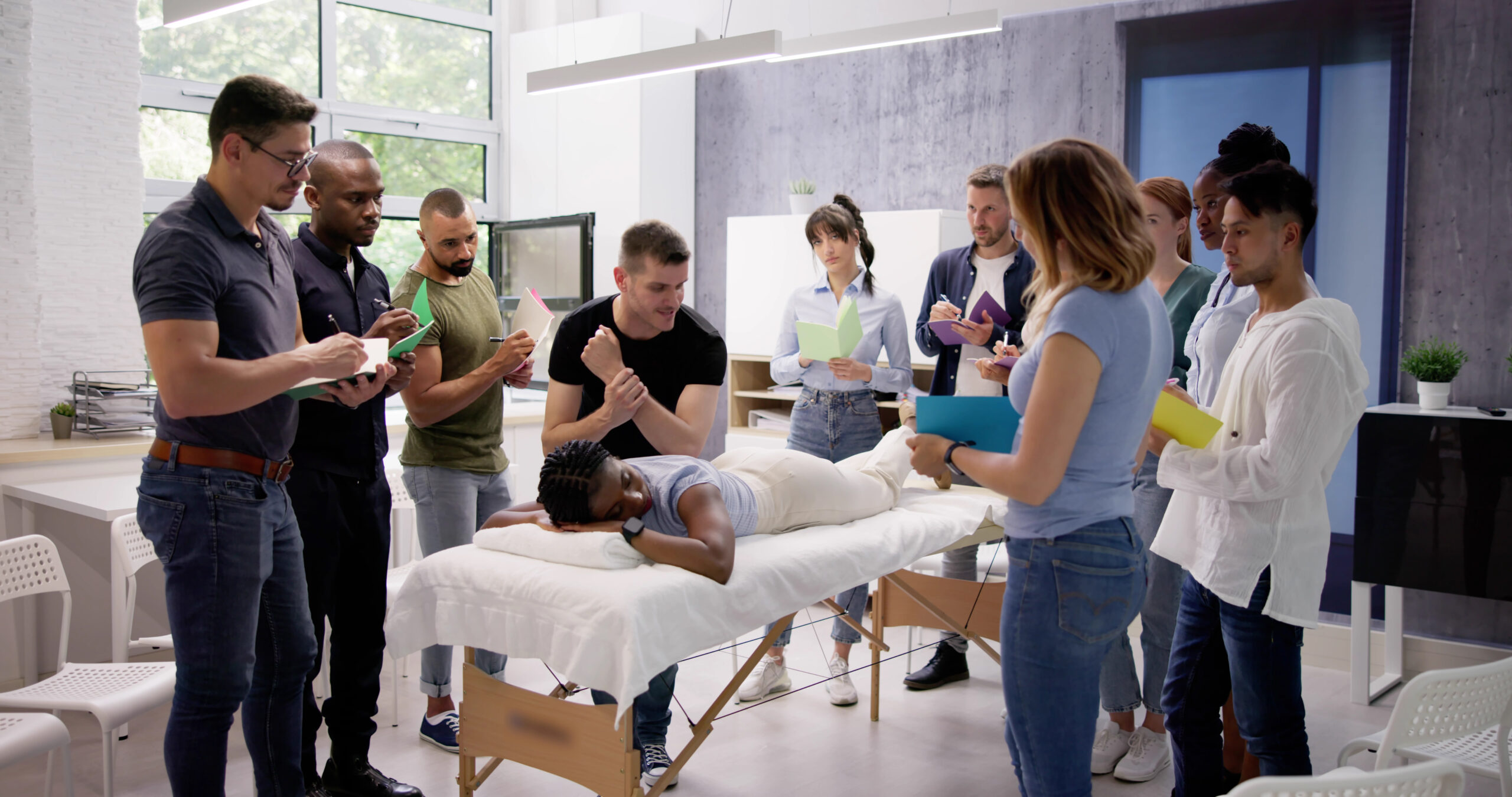
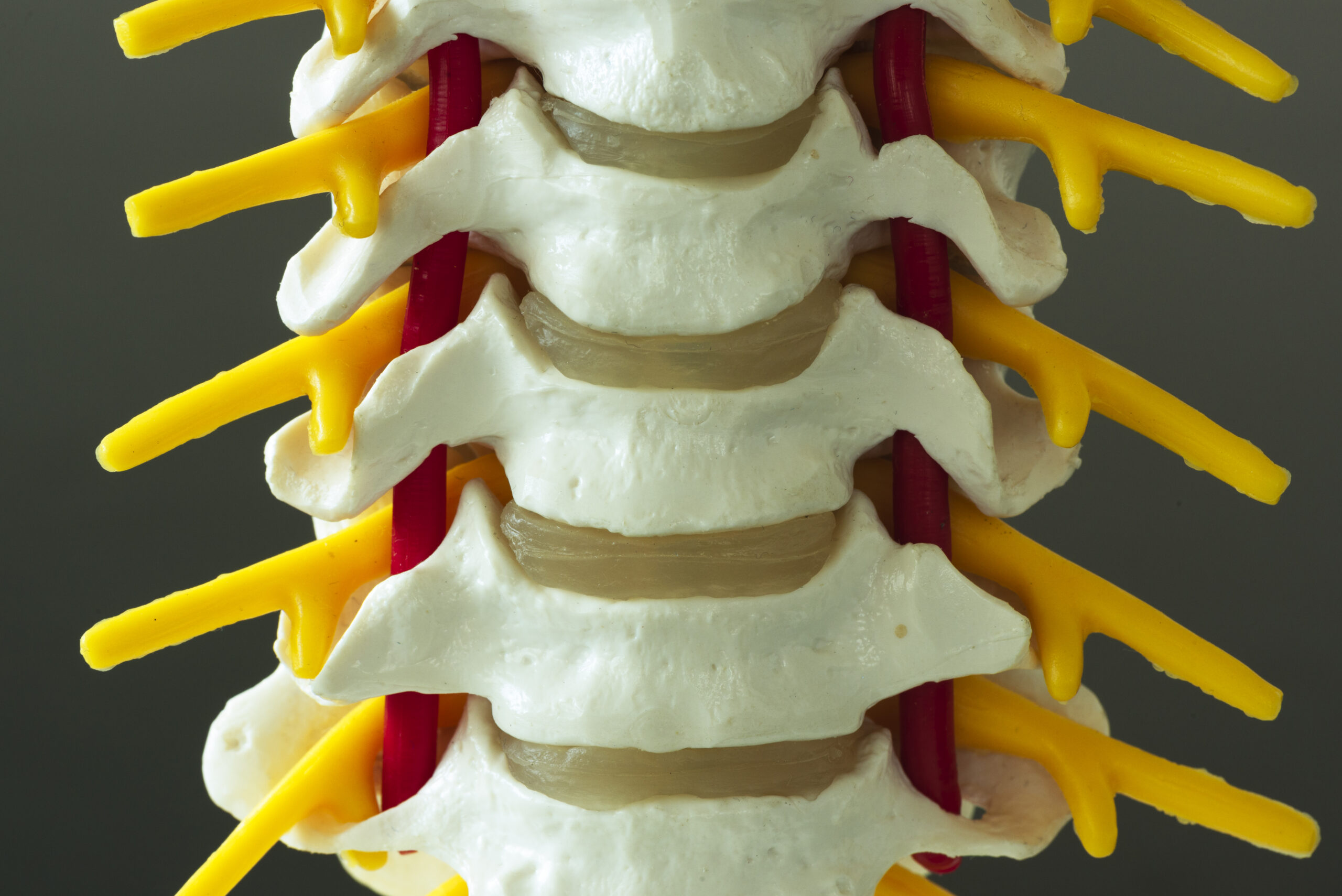
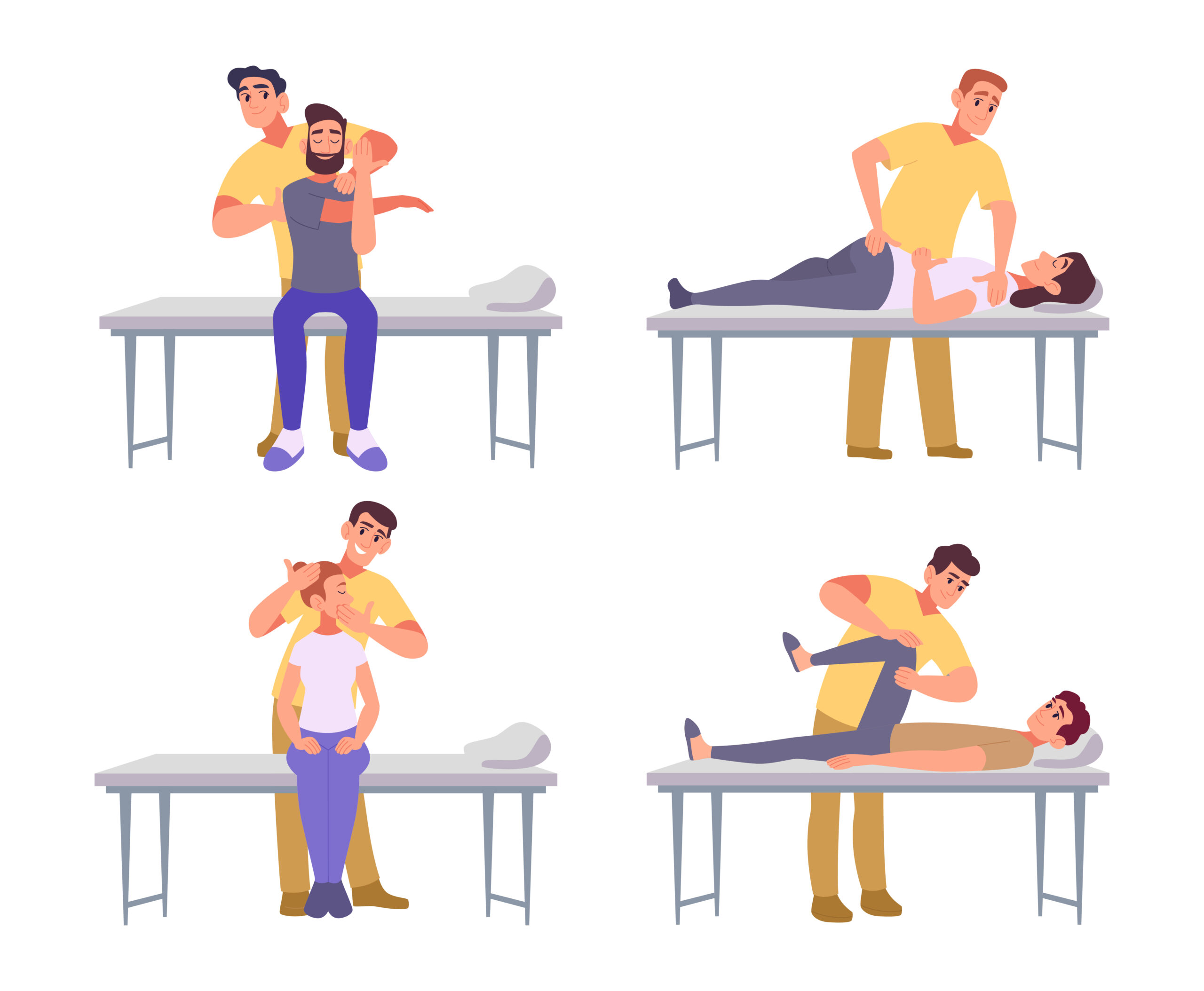
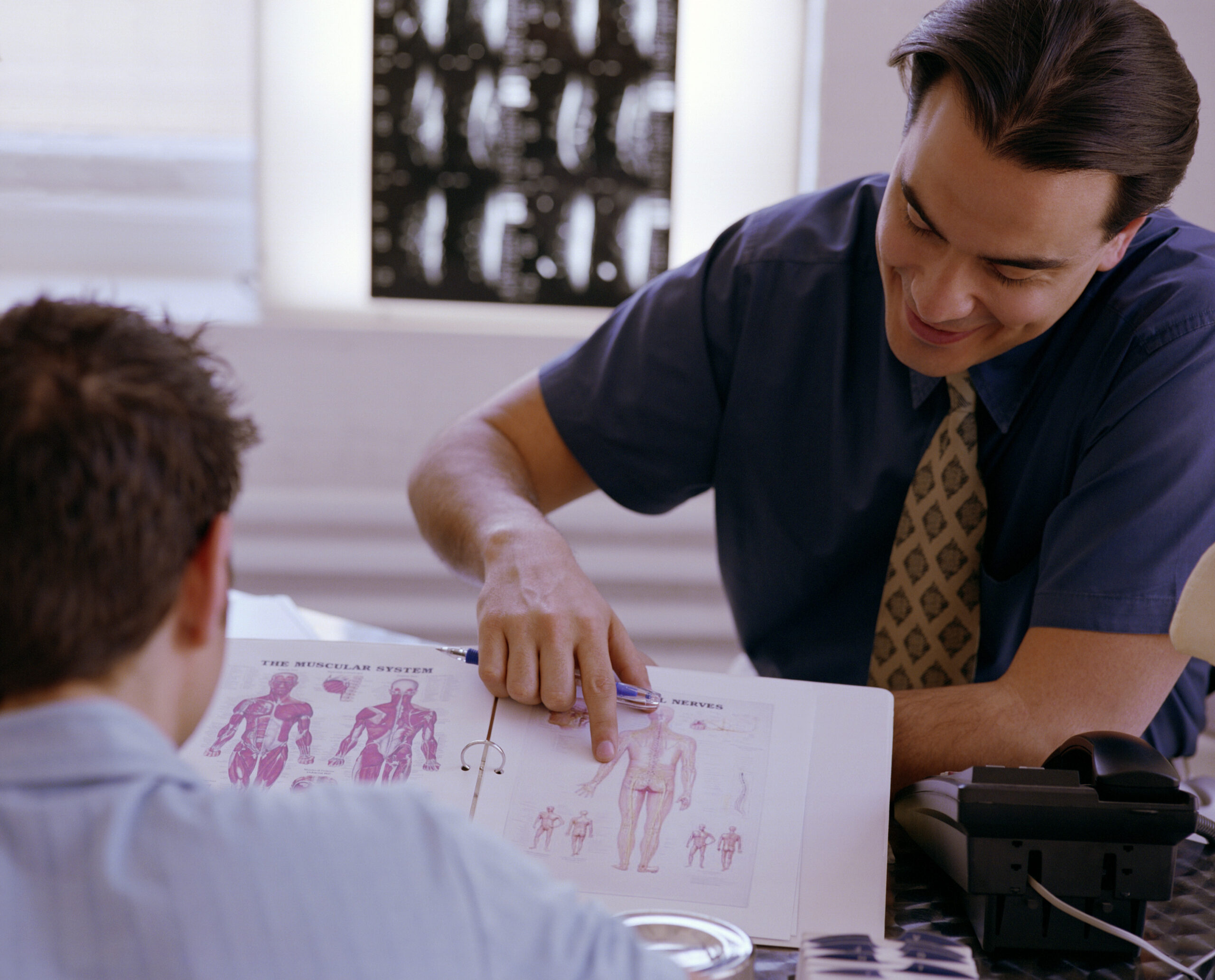
Chiropractic care offers a holistic approach to addressing hip pain linked to postural imbalances. Through spinal adjustments, chiropractors can realign the pelvis and spine, reducing pressure on nerves and muscles that contribute to discomfort. Soft tissue therapies, such as massage or myofascial release, may also be used to alleviate tension in tight muscles like the hip flexors or piriformis. Additionally, chiropractors often recommend corrective exercises to strengthen weakened muscles and improve flexibility. While these interventions can be beneficial, they should be tailored to individual needs and discussed with a qualified provider. Chiropractic care complements ergonomic and lifestyle changes, offering a non-invasive option for managing hip pain and restoring functional mobility.
Integrating Movement and Strengthening
Incorporating regular movement and targeted strengthening exercises can counteract the effects of postural imbalances. Simple stretches, such as hip flexor stretches or cat-cow poses, can relieve tension and improve flexibility. Strengthening exercises for the core, glutes, and lower back provide foundational support for proper posture and hip stability. Activities like walking, yoga, or swimming also promote overall musculoskeletal health. For office workers, setting reminders to stand, stretch, or take short walks can break up prolonged sitting. Consistency is key, as these practices help reinforce healthy movement patterns and reduce the risk of chronic hip pain. Combining these efforts with ergonomic adjustments and professional guidance can lead to lasting improvements in posture and comfort.