
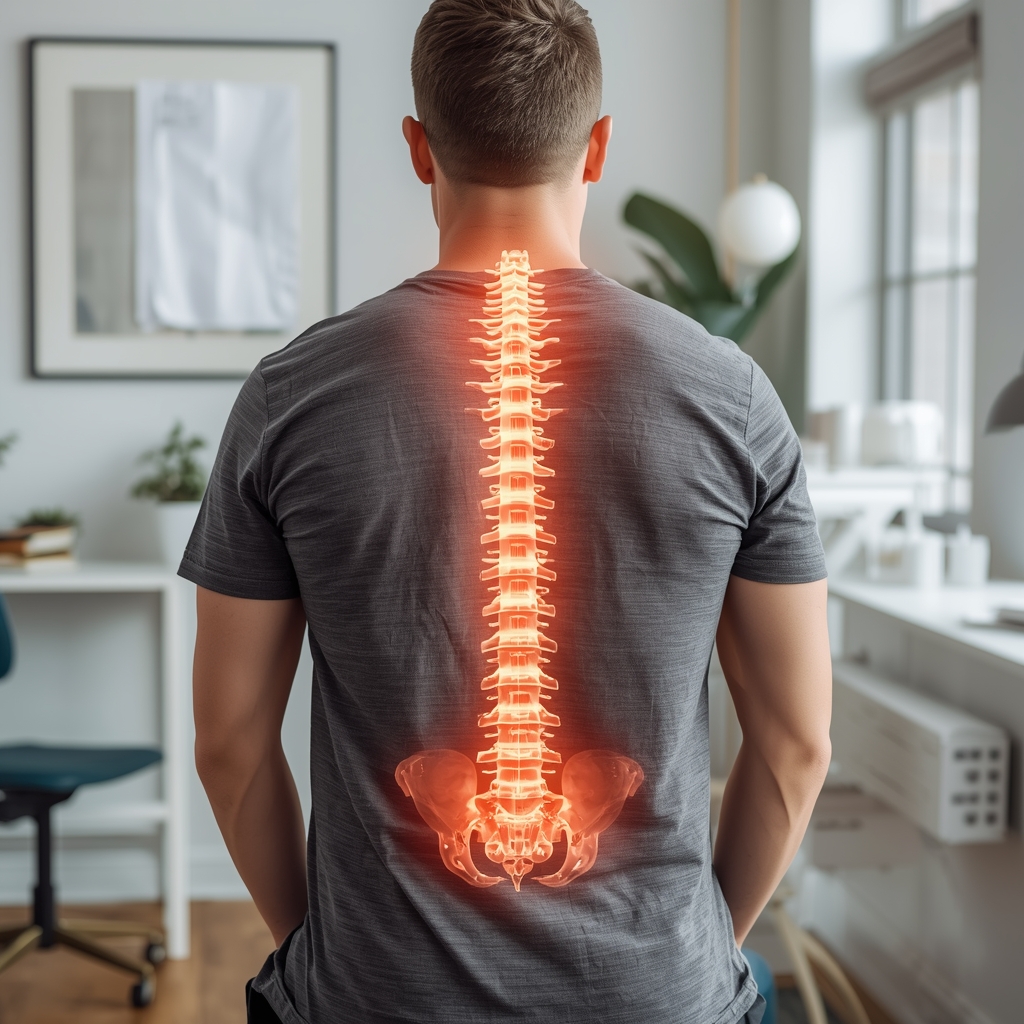
Understanding the Thoracolumbar Junction
The thoracolumbar junction is a critical transitional area where the thoracic (upper) and lumbar (lower) spine meet, typically around the T12-L1 vertebrae. This region serves as a biomechanical bridge, balancing the rigidity of the thoracic spine with the flexibility of the lumbar spine. The thoracic spine is stabilized by the rib cage, while the lumbar spine bears significant weight and allows for movement. The thoracolumbar junction’s unique structure makes it vulnerable to stress, as it absorbs forces from both the upper body and lower back. Ligaments, muscles, and intervertebral discs in this area provide support but can become strained or damaged over time, contributing to chronic lower back pain. Understanding this anatomy helps explain why issues here often lead to persistent discomfort and dysfunction.
Anatomical Features Contributing to Chronic Pain
The thoracolumbar junction’s susceptibility to chronic pain stems from its complex anatomy. The intervertebral discs here are subjected to high compressive forces, increasing the risk of degeneration or herniation. Facet joints, which guide spinal motion, can develop arthritis or become misaligned, causing localized pain and restricted movement. Additionally, the area’s muscles, such as the erector spinae and multifidus, often compensate for postural imbalances, leading to overuse and tension. The ligaments, including the supraspinous and interspinous ligaments, may also become overstretched or inflamed. These structural vulnerabilities create a cascade of issues, from nerve irritation to altered biomechanics, which can perpetuate chronic lower back pain if left unaddressed.
Common Causes of Stress and Strain
Chronic lower back pain at the thoracolumbar junction often arises from repetitive stress, poor posture, or sudden trauma. Daily activities like heavy lifting, prolonged sitting, or improper bending techniques can overload this area, leading to microtrauma and inflammation. Postural imbalances, such as excessive lumbar lordosis or kyphosis, further strain the junction by altering weight distribution. Injuries like sprains or fractures may also compromise its stability. Additionally, conditions such as osteoporosis or degenerative disc disease weaken the surrounding structures, making them more prone to damage. These factors collectively create a cycle of pain and dysfunction, highlighting the importance of addressing biomechanical stressors through preventive measures and professional care.
Chiropractic Adjustments Targeting the Area
Chiropractic adjustments aim to restore proper alignment and function to the thoracolumbar junction by addressing misalignments (subluxations) and improving joint mobility. Techniques such as spinal manipulation, mobilization, and soft tissue therapy are commonly used to reduce nerve irritation and alleviate muscle tension. For example, the diversified technique applies controlled force to specific vertebrae, while the activator method uses a handheld instrument for gentler adjustments. These interventions can enhance spinal stability, reduce inflammation, and promote healing. However, adjustments are most effective when tailored to an individual’s condition, as overzealous manipulation may exacerbate issues. A chiropractor will assess the patient’s needs before recommending targeted therapies.
Role of Adjacent Structures in Pain Propagation
The thoracolumbar junction’s pain can radiate to nearby areas, affecting the sacroiliac joints, hips, and even the legs. Misalignments here may alter weight-bearing patterns, placing undue stress on the pelvis and lower extremities. For instance, a restricted thoracolumbar joint can lead to compensatory movements that strain the hip flexors or gluteal muscles, contributing to referred pain. Additionally, nerve pathways in this region, such as the sciatic nerve, may become compressed, causing symptoms like sciatica. Addressing the thoracolumbar junction holistically—through adjustments, exercise, and posture correction—can break this cycle of pain and improve overall musculoskeletal function.
Importance of a Comprehensive Evaluation
A thorough evaluation by a qualified chiropractor is essential to identify the root causes of thoracolumbar junction issues and develop an effective treatment plan. This process may include a physical examination, imaging studies, and a review of the patient’s medical history. By assessing posture, range of motion, and muscle strength, a chiropractor can pinpoint dysfunctions specific to the thoracolumbar area. Treatment strategies are then customized to address these findings, combining adjustments with rehabilitative exercises, ergonomic advice, and lifestyle modifications. While chiropractic care can significantly alleviate chronic lower back pain, it is most successful when integrated with other therapeutic approaches under professional guidance.













