
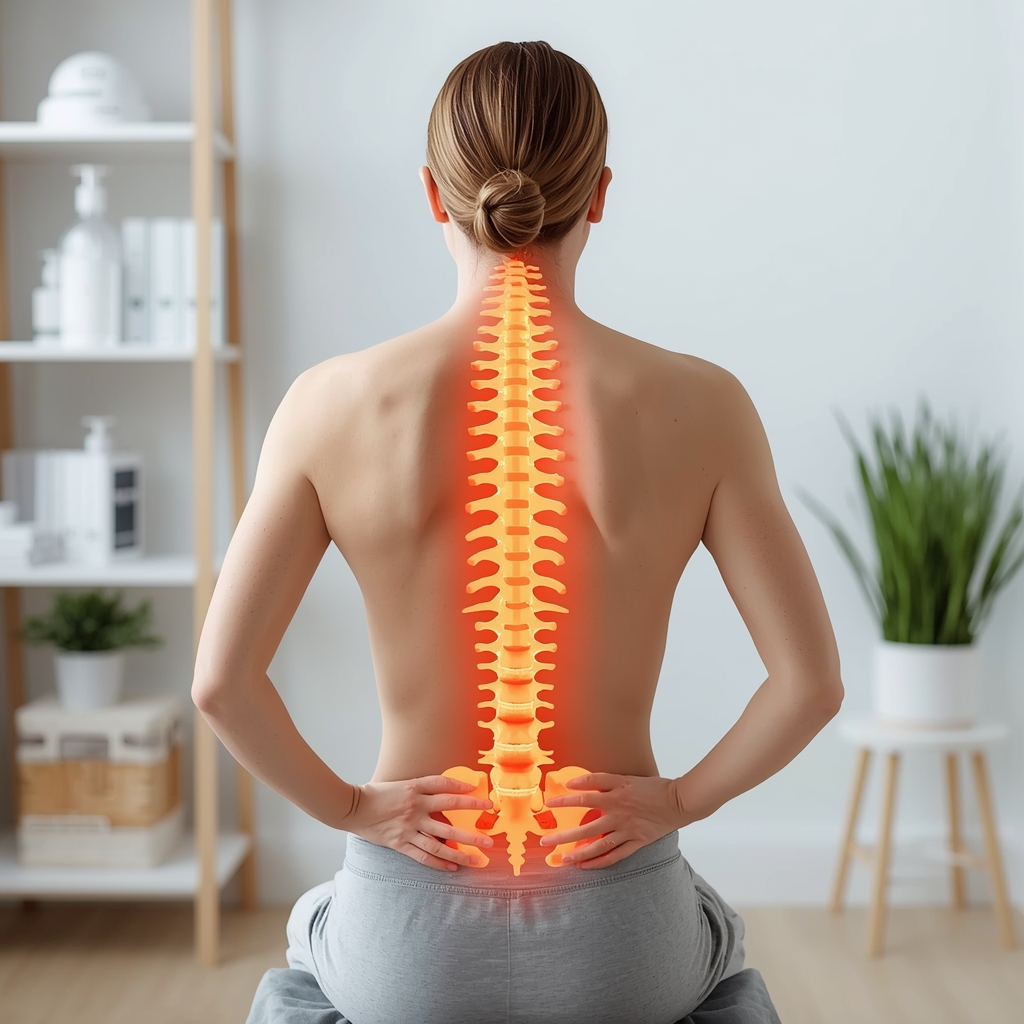
Understanding the Thoracolumbar Junction's Role in Lower Back Pain
The thoracolumbar junction, where the thoracic and lumbar spine meet, serves as a critical transition zone. This area experiences unique biomechanical stresses due to the shift from the more rigid thoracic spine to the flexible lumbar region. The thoracic spine is designed for rotation and stability, while the lumbar spine handles weight-bearing and flexion. This transition creates a focal point for mechanical strain, especially during movements that combine twisting and bending. Misalignments or restricted motion here can disrupt spinal function, leading to compensatory patterns that contribute to lower back pain. Understanding this junction’s structure is key to addressing pain originating from or radiating to the lower back.
Biomechanical Stressors and Common Pain Patterns
Biomechanical imbalances at the thoracolumbar junction often result in localized or referred lower back pain. The junction’s vertebrae, such as T12 and L1, bear significant load during activities like lifting or twisting. Restricted motion here can cause facet joint irritation, muscle spasms, or disc compression. For example, excessive lumbar lordosis (arched lower back) may shift pressure to the thoracolumbar area, while poor posture can create uneven stress. These factors contribute to chronic pain patterns, including stiffness, radiating discomfort, or reduced range of motion. Identifying these biomechanical triggers helps guide targeted interventions to restore balance and alleviate symptoms.
The Impact of Musculature and Postural Habits
Muscles surrounding the thoracolumbar junction, like the erector spinae and multifidus, play a vital role in stabilizing the spine. Weakness or overactivity in these muscles can exacerbate biomechanical strain. For instance, tight hip flexors or weak core muscles may alter spinal alignment, increasing pressure on the thoracolumbar junction. Poor postural habits, such as slouching or prolonged sitting, further compound these issues by creating chronic misalignments. Addressing muscular imbalances through targeted exercises or manual therapies can reduce stress on this region, promoting better spinal mechanics and pain relief.
Chiropractic Adjustments for Thoracolumbar Alignment
Chiropractic adjustments aim to restore optimal function to the thoracolumbar junction by addressing misalignments and improving joint mobility. Techniques such as spinal manipulation and mobilization can relieve pressure on nerves and reduce inflammation in the area. By realigning the vertebrae, these adjustments help restore natural movement patterns, alleviating pain and preventing further complications. However, the specific approach depends on the individual’s condition, requiring a thorough assessment by a qualified chiropractor. The goal is to enhance biomechanical efficiency while minimizing discomfort, supporting the body’s innate ability to heal.
Targeted Techniques for Biomechanical Correction
Chiropractors may employ various methods to address thoracolumbar biomechanics, including soft tissue therapy to relieve muscle tension and instrument-assisted techniques for precise adjustments. These approaches aim to correct joint restrictions and improve spinal flexibility. For example, myofascial release can ease tightness in the paraspinal muscles, while spinal adjustments restore proper alignment. Additionally, therapeutic exercises may be recommended to strengthen stabilizing muscles and reinforce long-term improvements. Each technique is tailored to the patient’s needs, emphasizing a holistic strategy to reduce pain and enhance mobility in the thoracolumbar region.
Consulting a Chiropractor for Personalized Care
Given the complexity of the thoracolumbar junction, seeking professional guidance is essential for effective care. A chiropractor can evaluate biomechanical imbalances, identify contributing factors, and develop a customized treatment plan. This may include adjustments, rehabilitative exercises, or lifestyle modifications to address the root causes of lower back pain. Self-treatment or generic advice risks overlooking unique anatomical variations or underlying conditions. By working with a qualified provider, individuals can ensure safe, evidence-based interventions that promote lasting relief and improved spinal health. Regular follow-ups also help monitor progress and adjust strategies as needed.










