
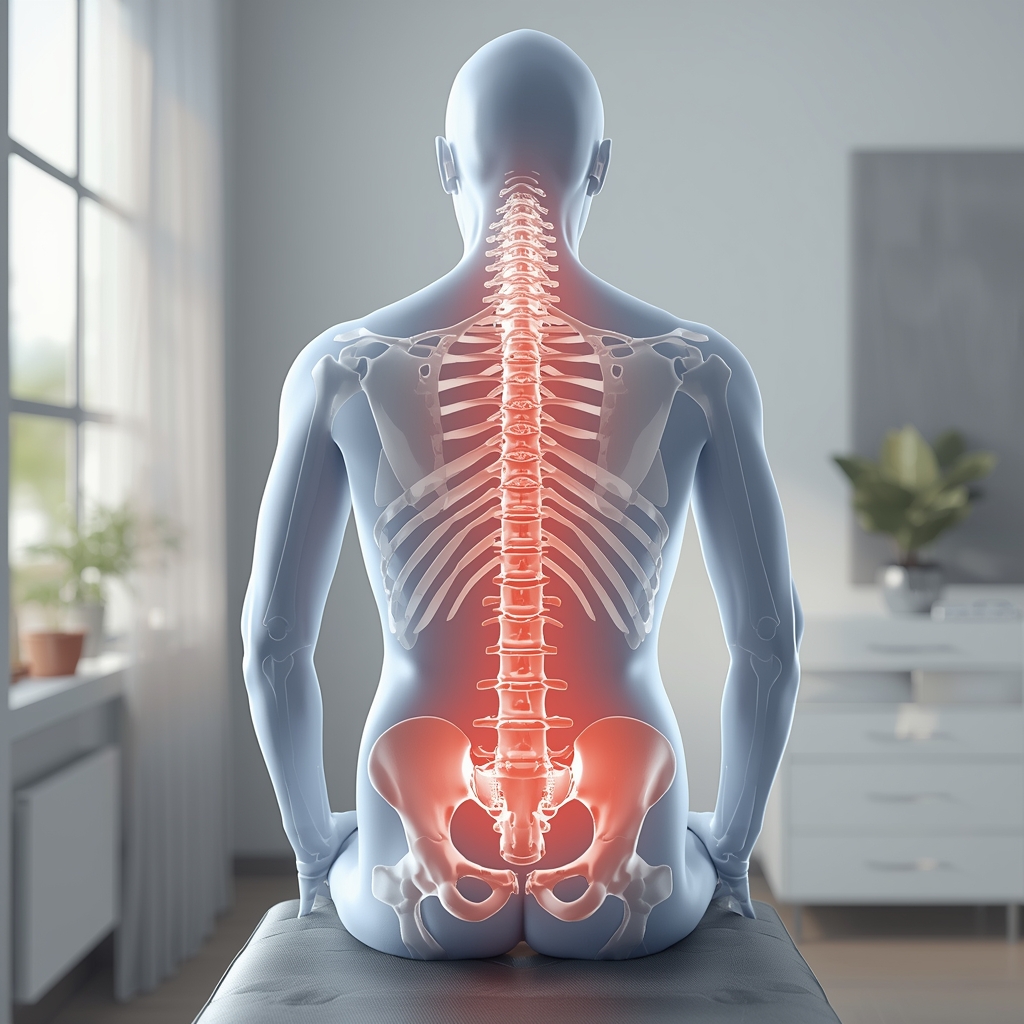
Understanding the Lumbar-Sacral Junction
The lumbar-sacral junction connects the lower spine (lumbar vertebrae) to the pelvis (sacrum), playing a critical role in weight distribution and movement. This region includes the L5-S1 intervertebral disc, facet joints, and surrounding ligaments, which work together to stabilize the spine while allowing flexibility. The unique structure here makes it vulnerable to stress from daily activities, poor posture, or sudden movements. Unlike other spinal segments, the lumbar-sacral junction bears significant mechanical load, increasing its susceptibility to wear and tear. Understanding its anatomy helps explain why disruptions here can lead to localized or radiating pain. This area is also closely linked to the sciatic nerve, highlighting its importance in lower back health. Proper biomechanical function here is essential for maintaining overall spinal stability and preventing chronic issues. Exploring its role provides a foundation for addressing pain and dysfunction effectively.
Biomechanics and Chronic Low Back Pain
The biomechanics of the lumbar-sacral junction directly influence the development of chronic low back pain. Repetitive motions, prolonged sitting, or improper lifting techniques can strain this region, leading to microtrauma and inflammation. The intervertebral disc at L5-S1 is particularly prone to degeneration due to its high load-bearing role. Misalignment or restricted movement here may alter nerve signaling, contributing to pain or muscle imbalances. Over time, these factors can create a cycle of discomfort, where pain limits movement, further worsening biomechanical inefficiencies. Additionally, the junction’s proximity to the sacroiliac joints means issues here can radiate to the hips or legs. Chronic pain often arises from unresolved biomechanical stress, making it essential to address root causes rather than symptoms. Recognizing these patterns helps clinicians develop targeted interventions to restore function and reduce long-term complications.
Role of Spinal Alignment in Pain Management
Proper alignment of the lumbar-sacral junction is vital for preventing and managing chronic low back pain. When this region is misaligned, it can compress nerves, reduce joint mobility, and strain surrounding muscles. Chiropractors assess these imbalances through physical exams and imaging to identify deviations from optimal positioning. Adjustments aim to restore natural curvature and enhance biomechanical efficiency, alleviating pressure on nerves and discs. However, alignment alone is not a standalone solution; it must be paired with lifestyle modifications and rehabilitative exercises. Patients often report improved mobility and reduced pain after adjustments, but outcomes vary based on individual factors. Addressing alignment issues early can prevent progression to more severe conditions. Chiropractic care emphasizes a holistic approach, combining manual techniques with patient education to support long-term spinal health.
Chiropractic Assessment Techniques
Chiropractors use specialized methods to evaluate the lumbar-sacral junction’s biomechanics and identify contributing factors to chronic pain. Palpation helps detect tenderness, muscle spasms, or abnormal joint movement, while range-of-motion tests assess flexibility and restriction. Imaging, such as X-rays or MRI, may be used to visualize structural changes or disc degeneration. Functional assessments, like gait analysis, reveal how movement patterns impact the junction. These techniques provide a comprehensive view of the patient’s condition, guiding treatment planning. However, no single method offers a complete picture—clinicians often integrate multiple approaches for accuracy. The goal is to pinpoint dysfunctions without over-reliance on any one diagnostic tool. This thorough evaluation ensures interventions address the root causes of pain rather than surface symptoms, improving long-term outcomes.
Treatment Planning for Chronic Low Back Pain
Chiropractic treatment for chronic low back pain involving the lumbar-sacral junction is tailored to each patient’s unique biomechanics and symptoms. Initial plans often include spinal adjustments to correct misalignments and improve mobility. Soft tissue therapies, such as myofascial release, may be used to alleviate muscle tension around the junction. Patients are typically advised on ergonomic adjustments, posture correction, and exercises to strengthen core stability. The treatment timeline varies, with some experiencing relief within weeks and others requiring longer-term care. Chiropractors emphasize patient education to prevent recurrence, focusing on movement habits and self-management strategies. While these approaches are widely used, their effectiveness depends on individual compliance and the underlying causes of pain. Collaboration between the patient and provider is essential for achieving sustainable results.
Integrating Biomechanical Insights into Care
Understanding the biomechanics of the lumbar-sacral junction allows chiropractors to create more effective, personalized treatment plans. By analyzing how movement, posture, and structural imbalances affect this region, clinicians can address both immediate symptoms and long-term health. This approach often involves a combination of manual adjustments, rehabilitative exercises, and lifestyle modifications. For example, correcting gait patterns or strengthening stabilizing muscles can reduce stress on the junction, preventing future pain episodes. Patients benefit from a holistic strategy that considers their daily activities and physical demands. However, the complexity of biomechanical interactions means no single solution fits all. Ongoing assessment and adaptation are key to managing chronic conditions. This evidence-based, patient-centered model highlights the importance of integrating anatomical knowledge with practical care to optimize outcomes.












