
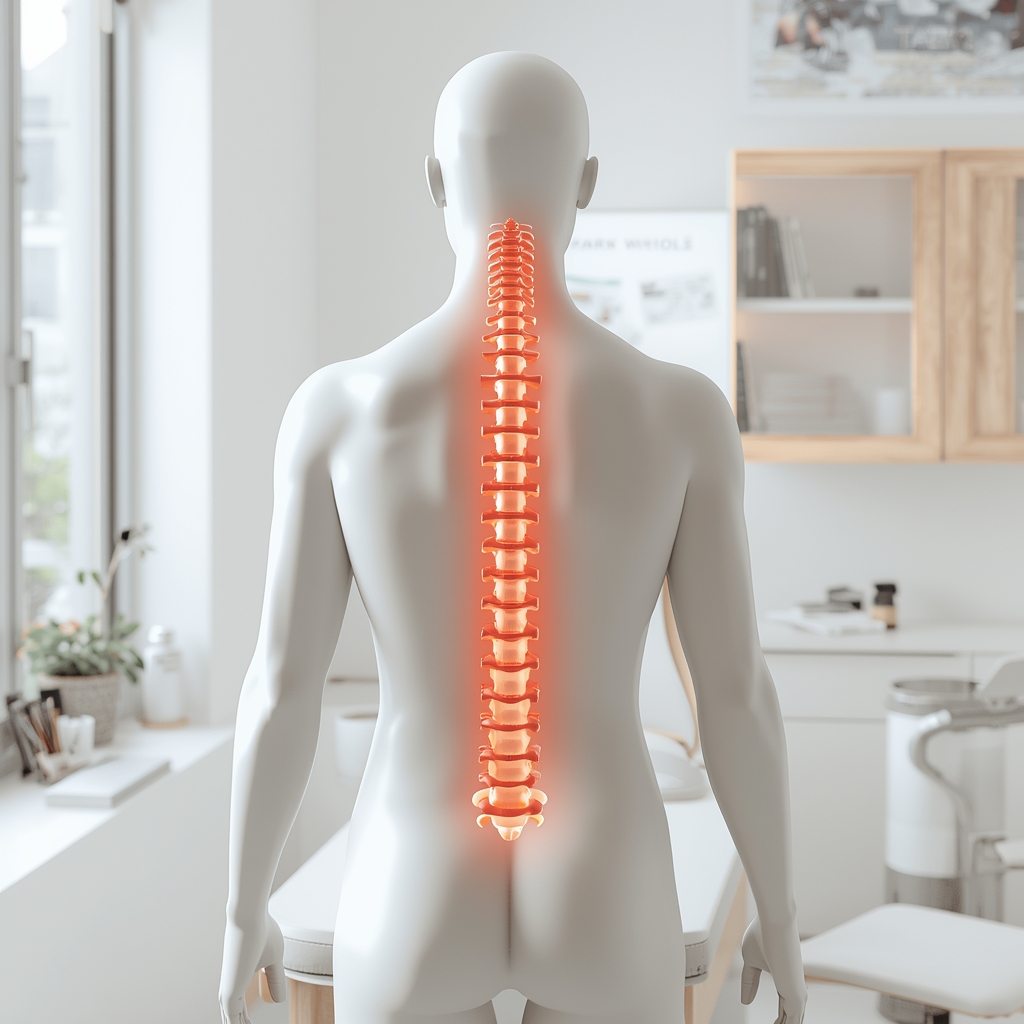
Understanding the Spine's Structural Foundation
The spine is a complex framework of bones, discs, nerves, and soft tissues that supports the body, protects the spinal cord, and enables movement. Chiropractors focus on its anatomy to identify misalignments, nerve interferences, and structural imbalances that may contribute to pain or dysfunction. By understanding how each component interacts, chiropractors can tailor adjustments and therapies to address specific issues. For example, the vertebrae’s alignment affects nerve pathways, while the intervertebral discs provide cushioning and shock absorption. This foundational knowledge allows practitioners to develop targeted care plans that promote healing and restore optimal function. A deep grasp of spinal anatomy ensures treatments are both precise and effective, reducing the risk of unnecessary interventions. It also helps patients appreciate the rationale behind their care, fostering trust and engagement in the recovery process.
The Role of Vertebrae in Spinal Function
The spine consists of 24 movable vertebrae, divided into the cervical (neck), thoracic (upper back), and lumbar (lower back) regions, plus the sacrum and coccyx. Each vertebra has a unique shape and function, such as the cervical vertebrae’s ability to support head movement or the lumbar vertebrae’s role in bearing body weight. Chiropractors assess these structures to detect subluxations—misalignments that may compress nerves or restrict mobility. For instance, a misaligned cervical vertebra could contribute to headaches or arm pain, while lumbar issues might cause sciatica. By analyzing the vertebrae’s position and movement, chiropractors can perform adjustments to restore balance. This approach not only alleviates symptoms but also prevents long-term degeneration. Understanding the vertebrae’s role empowers practitioners to address root causes rather than just surface-level discomfort.
Intervertebral Discs and Their Impact on Spinal Health
Intervertebral discs act as shock absorbers between the vertebrae, composed of a tough outer layer (annulus fibrosus) and a gel-like core (nucleus pulposus). These discs maintain spinal flexibility and distribute pressure during movement. When discs degenerate or herniate, they can press on nerves, causing pain, numbness, or weakness. Chiropractors evaluate disc health to determine if adjustments or other therapies are appropriate. For example, a herniated disc in the lumbar region might require decompression techniques to reduce pressure. By understanding disc anatomy, practitioners can avoid high-velocity manipulations that might exacerbate issues. This knowledge also informs preventive strategies, such as posture correction or exercise recommendations. Ultimately, disc-focused care helps patients manage conditions like bulging discs and maintain long-term spinal stability.
Nerve Pathways and the Spine’s Connection to the Body
The spinal cord runs through the vertebral column, with spinal nerves exiting at each level to innervate organs, muscles, and tissues. Chiropractors recognize that misalignments can interfere with these nerve signals, disrupting communication between the brain and body. For example, a cervical subluxation might affect the vagus nerve, influencing digestion or heart rate. By realigning the spine, chiropractors aim to remove these obstructions, promoting optimal nervous system function. This approach aligns with the chiropractic principle that a properly functioning nervous system is essential for overall health. Understanding nerve anatomy also helps practitioners identify referred pain patterns, such as how lower back issues can cause leg discomfort. This insight ensures treatments address both local and systemic effects of spinal dysfunction.
Soft Tissues: Ligaments, Muscles, and Their Influence on Spinal Stability
Ligaments connect vertebrae, providing stability, while muscles control movement and support posture. Imbalances in these soft tissues can lead to chronic pain or reduced mobility. Chiropractors assess muscle tension and ligament integrity to identify contributing factors to spinal issues. For instance, tight hip flexors might alter pelvic alignment, straining the lower back. Treatments may include soft tissue therapies, stretches, or adjustments to restore equilibrium. By integrating knowledge of these structures, chiropractors address not just bone alignment but also the surrounding musculature. This holistic perspective enhances treatment outcomes by reducing inflammation, improving flexibility, and preventing future injuries. Patients often see faster recovery when both structural and soft tissue components are addressed.
How Anatomical Expertise Enhances Treatment Outcomes
Chiropractors’ deep understanding of spinal anatomy enables precise, individualized care. By identifying which structures are affected—whether vertebrae, discs, nerves, or muscles—practitioners can design targeted interventions. This specificity reduces trial-and-error approaches, leading to more efficient recovery. For example, a patient with neck pain might benefit from cervical adjustments combined with myofascial release, depending on the root cause. Anatomical knowledge also informs preventive strategies, such as ergonomic recommendations or exercise routines. Furthermore, it allows chiropractors to collaborate with other healthcare providers, ensuring comprehensive care. Patients who understand their anatomy are better equipped to participate in their recovery, making them active partners in their health. Ultimately, this expertise ensures treatments are both safe and effective, improving long-term outcomes.












