Understanding Iliotibial Band Syndrome in Cyclists
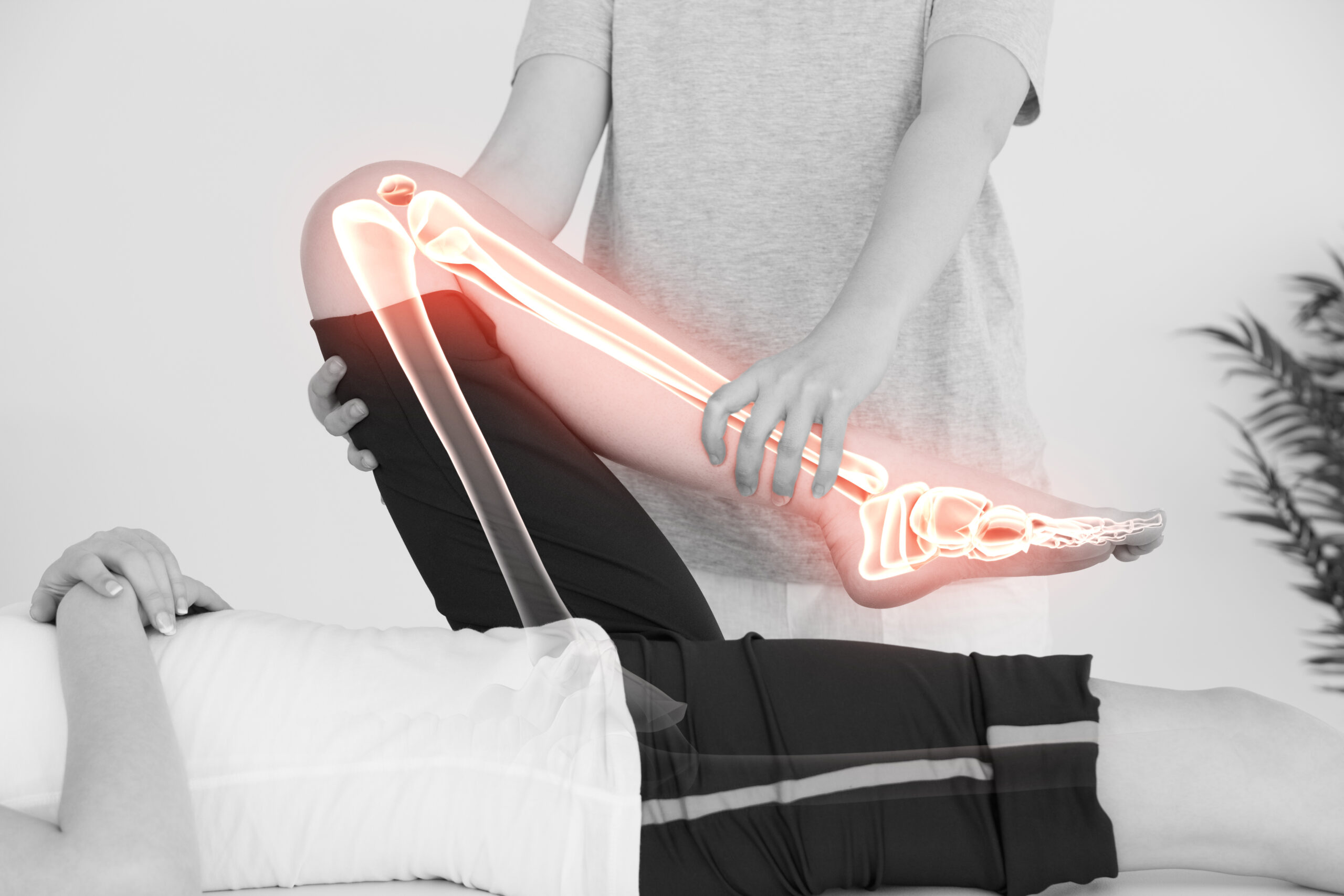
Iliotibial Band Syndrome (ITBS) is a common overuse injury among cyclists, characterized by pain on the outer side of the knee. This condition often arises from repetitive friction of the iliotibial band—a thick band of tissue that runs from the hip to the knee—against the femur during pedaling. Poor bike fit and improper posture can exacerbate this friction, leading to inflammation and discomfort. Cyclists who ride long distances or maintain incorrect positions are particularly at risk. Addressing ergonomic factors, such as saddle height, handlebar placement, and body alignment, can significantly reduce the likelihood of ITBS. By prioritizing proper bike setup and postural awareness, cyclists can minimize strain on the iliotibial band and enhance overall riding efficiency. Understanding these connections is the first step in preventing this frustrating injury.
Bike Fit Essentials for Injury Prevention
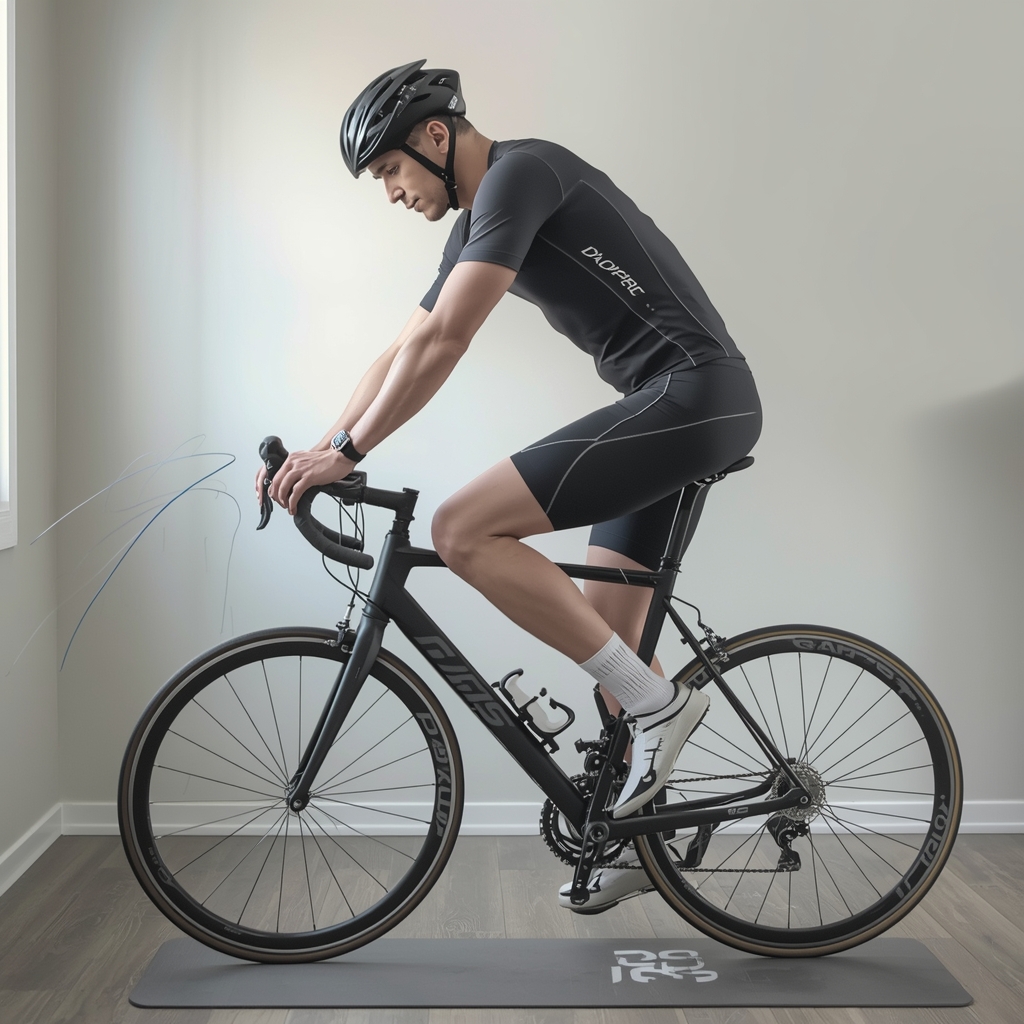
A well-fitted bicycle is crucial for preventing ITBS and other cycling-related injuries. Proper saddle height ensures that the leg is nearly fully extended at the bottom of the pedal stroke, reducing unnecessary stress on the knee and hip. Handlebar position also plays a role; a handlebar that’s too low or too far forward can force the rider into a hunched posture, increasing pressure on the iliotibial band. Additionally, ensuring the pedals are aligned correctly and the shoes are securely fastened helps maintain consistent force distribution. Many cyclists overlook the importance of professional bike fitting, which can identify and correct subtle imbalances. Regular adjustments, especially after changes in riding style or equipment, further support optimal ergonomics. By focusing on these elements, cyclists can create a setup that aligns with their body’s natural movement patterns, reducing the risk of overuse injuries.
Postural Corrections for Cyclists
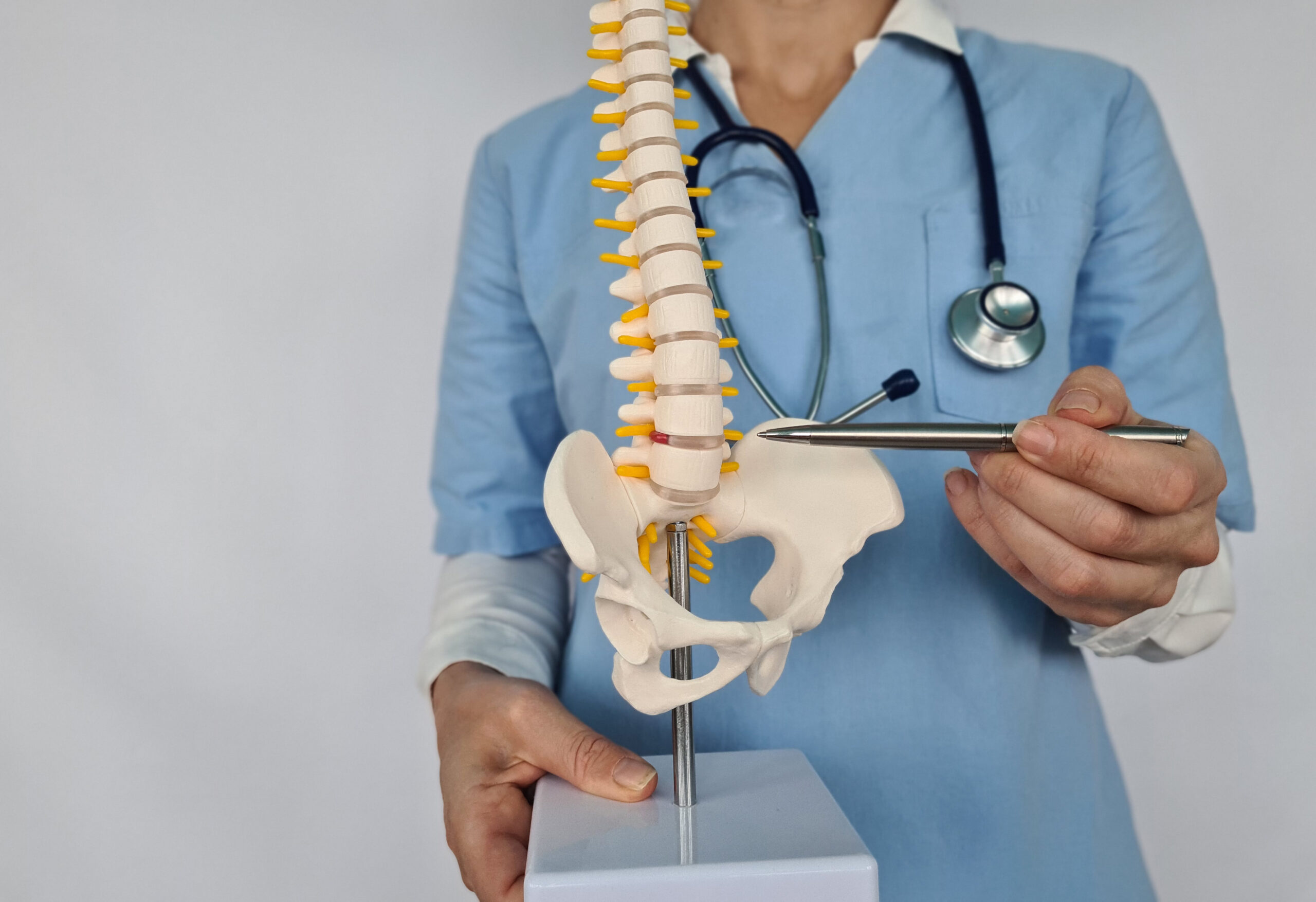
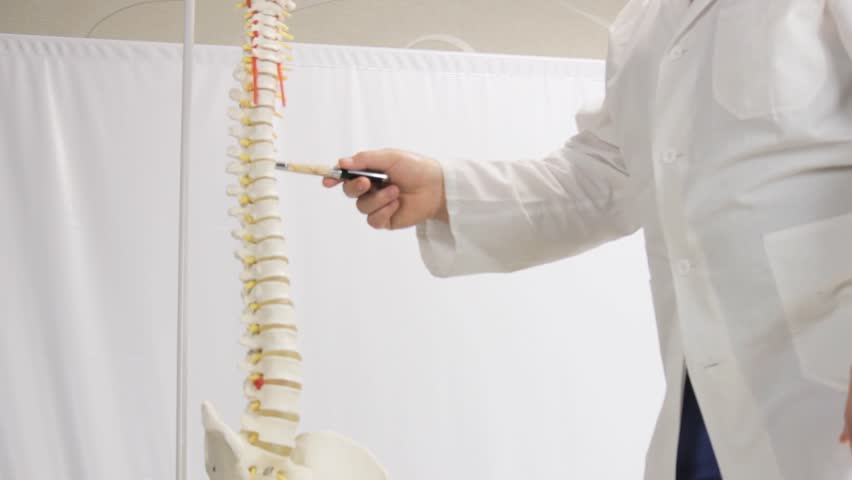
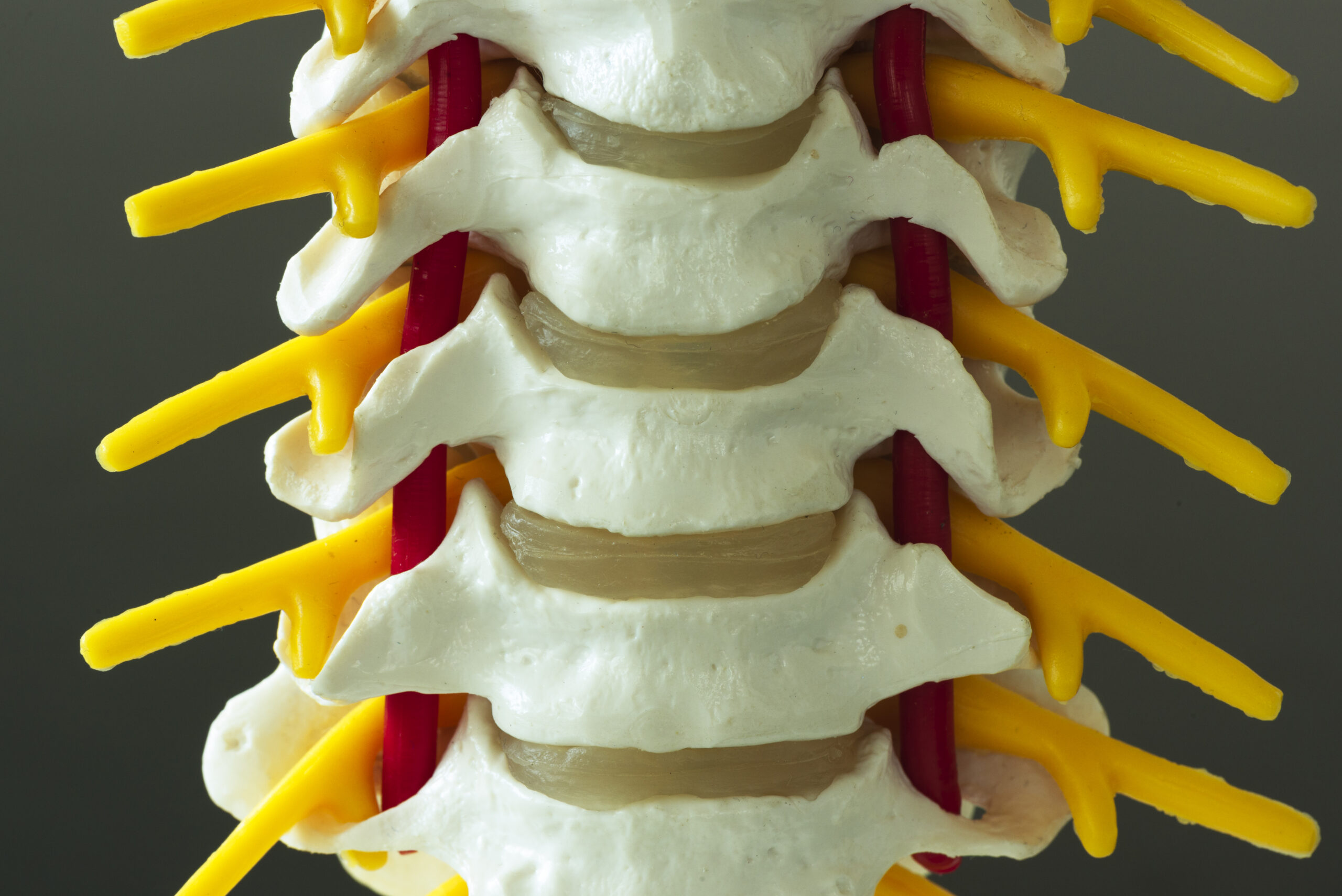
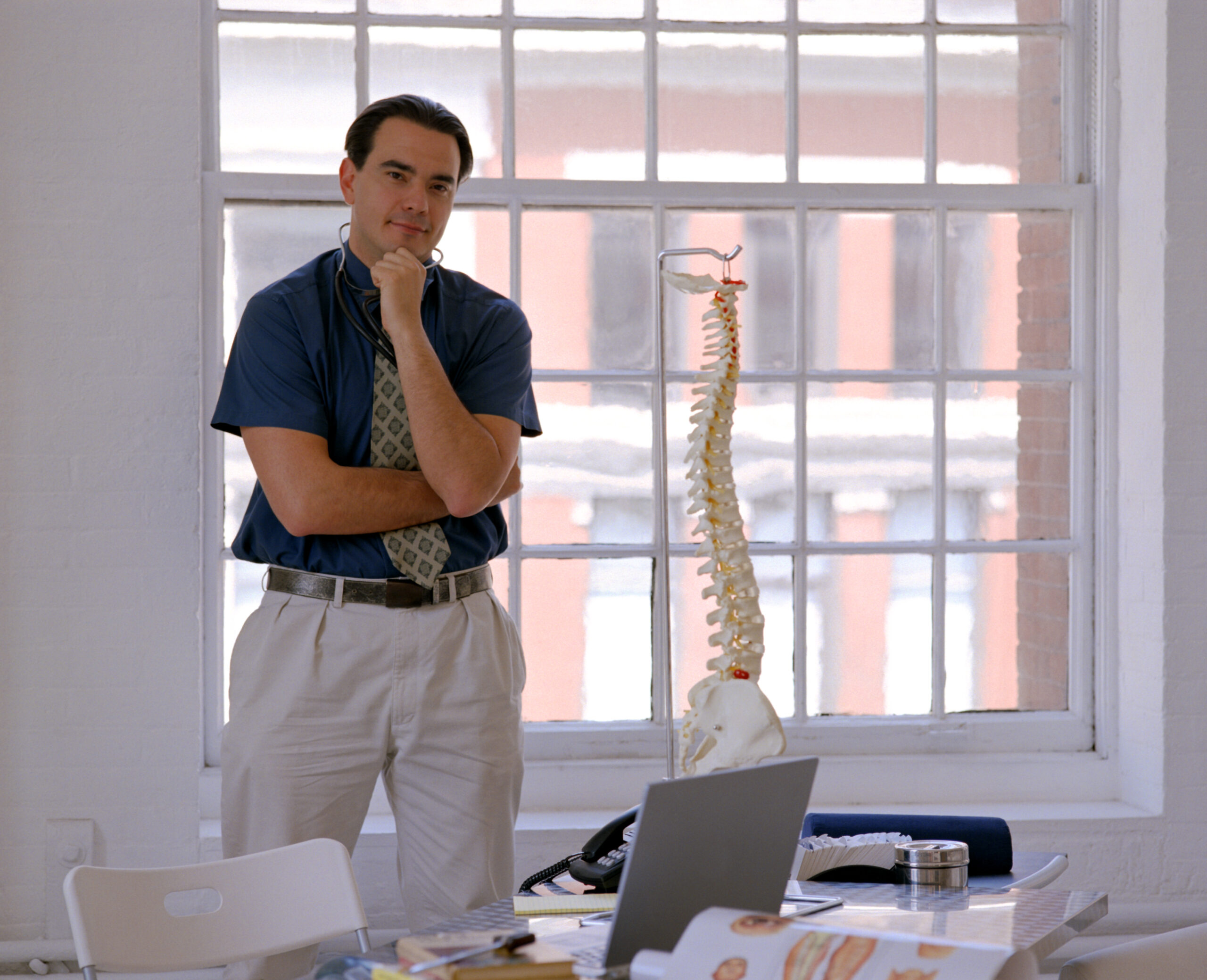
Posture during cycling directly impacts the workload on the iliotibial band. A common issue is excessive forward head posture, which can alter the spine’s alignment and shift stress to the hips and knees. Cyclists should aim for a neutral spine, with the head aligned over the shoulders and the back slightly arched. Rounded shoulders or a tucked pelvis can also contribute to imbalances, increasing the likelihood of ITBS. Strengthening core and hip stabilizers through targeted exercises can improve postural control, while regular stretching helps maintain flexibility. Chiropractors often recommend posture assessments to identify and correct these issues. By addressing postural habits both on and off the bike, cyclists can reduce strain on the iliotibial band and promote more efficient movement. Small adjustments in how a rider sits and moves can lead to significant long-term benefits.
Ergonomic Adjustments Beyond Bike Setup
In addition to bike fit, other ergonomic factors influence ITBS risk. Saddle type and padding can affect pressure distribution, with overly firm or ill-fitting saddles contributing to discomfort. Pedal cleat positioning is another critical element; improper alignment may cause the knee to track incorrectly, increasing friction on the iliotibial band. Clothing choices, such as tight-fitting shorts, can also impact movement and irritation. Cyclists should prioritize gear that allows for natural motion without restricting blood flow or creating friction points. Additionally, regular breaks during long rides help prevent prolonged static positions that strain the body. By considering these broader ergonomic aspects, cyclists can create a more supportive environment for their bodies, reducing the likelihood of ITBS and enhancing overall comfort.
The Role of Chiropractic Care in Prevention
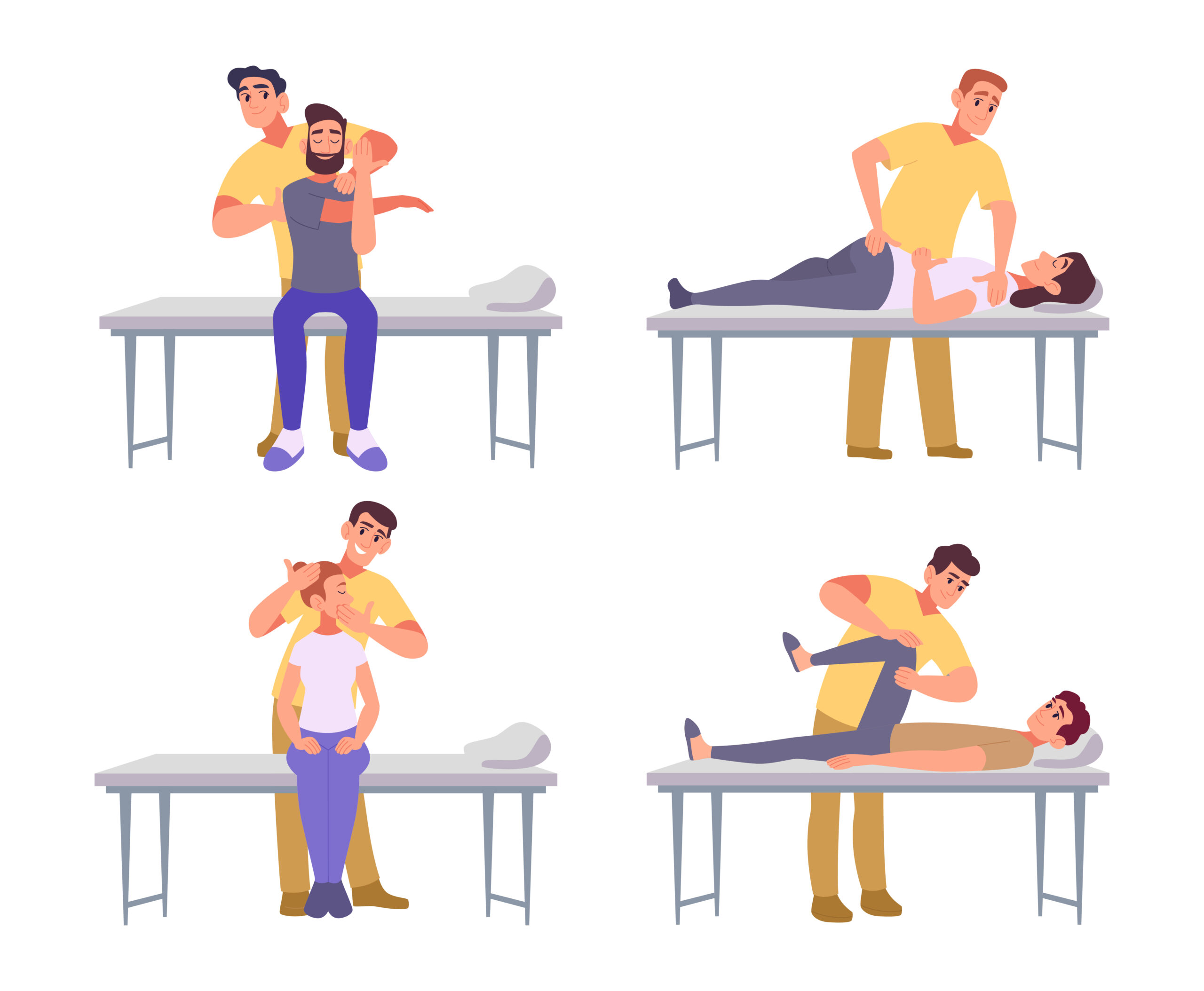
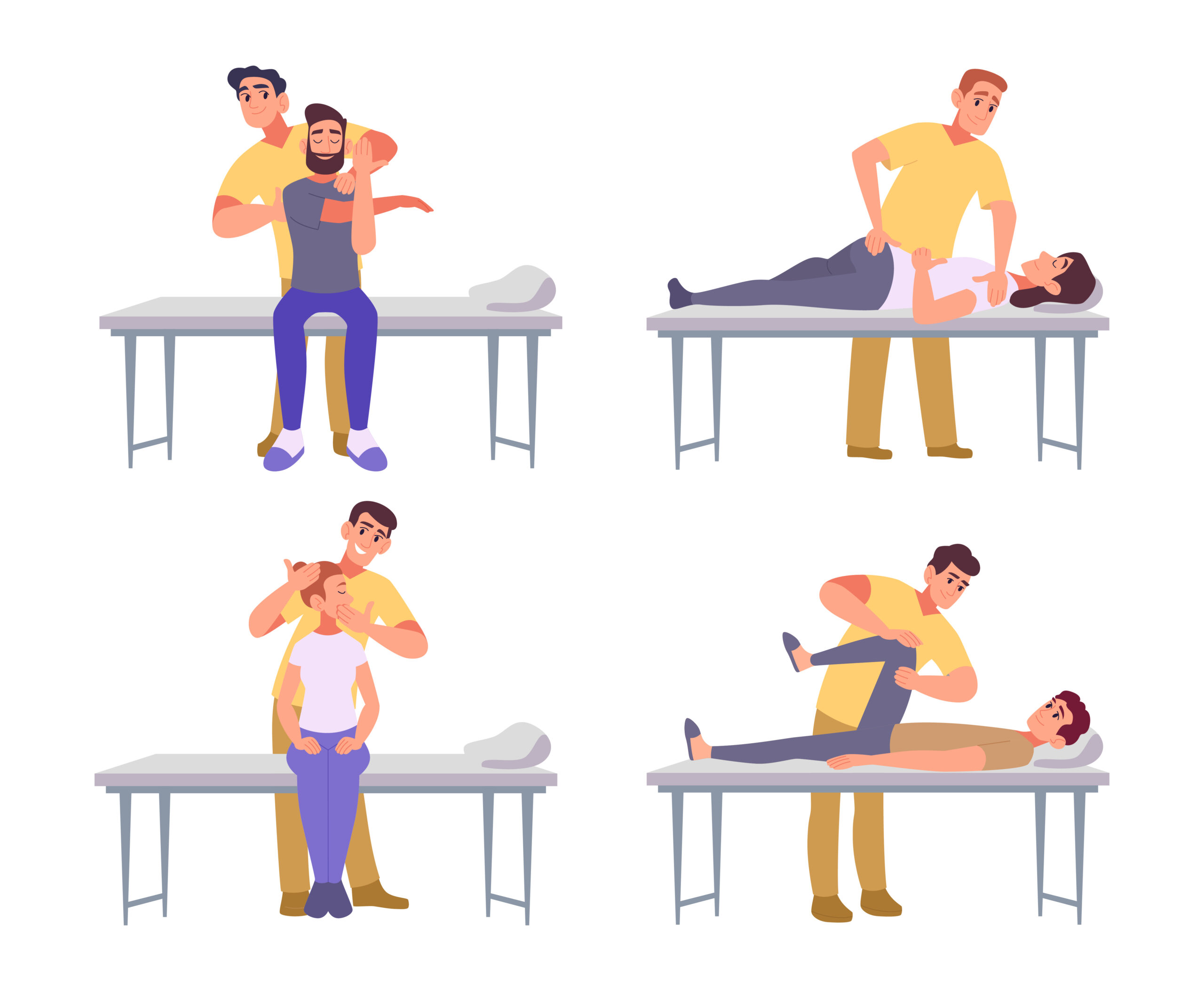
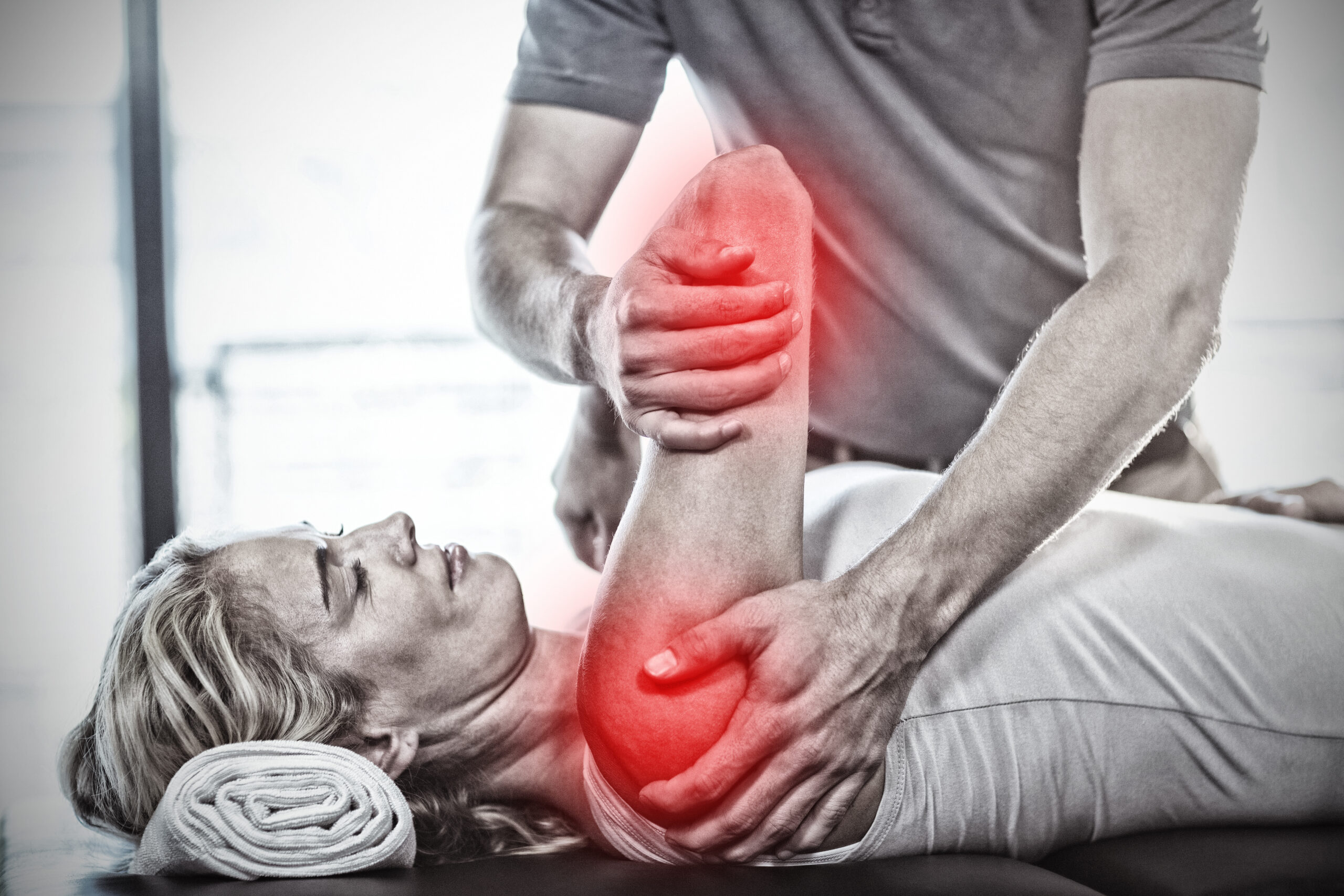
Chiropractic care plays a vital role in addressing the musculoskeletal imbalances that contribute to ITBS. Through spinal adjustments and soft tissue therapies, chiropractors can improve joint mobility, reduce inflammation, and alleviate pressure on the iliotibial band. A thorough assessment of a cyclist’s biomechanics can identify misalignments or muscle weaknesses that may predispose them to injury. Chiropractors often work alongside bike fitters to ensure that ergonomic adjustments align with the body’s natural movement patterns. Additionally, they may recommend corrective exercises to strengthen stabilizing muscles and improve flexibility. By integrating chiropractic care into a cycling routine, riders can proactively manage their physical health, reducing the risk of ITBS and other overuse injuries. This holistic approach supports long-term performance and comfort on the bike.
Preventive Strategies for Long-Term Cycling Health
Preventing ITBS requires a proactive approach that combines ergonomic adjustments, postural awareness, and regular physical maintenance. Cyclists should prioritize routine check-ups with a chiropractor to monitor their alignment and address emerging issues before they escalate. Incorporating dynamic warm-ups and cool-downs into rides helps prepare the body for activity and promotes recovery. Strengthening exercises for the hips, glutes, and core can enhance stability, reducing the workload on the iliotibial band. Additionally, varying riding intensity and terrain prevents repetitive stress on specific muscles and joints. Listening to the body’s signals—such as early signs of discomfort—allows for timely adjustments. By adopting these preventive strategies, cyclists can enjoy their sport with greater comfort and fewer interruptions from injury, ensuring a sustainable and enjoyable cycling experience.