
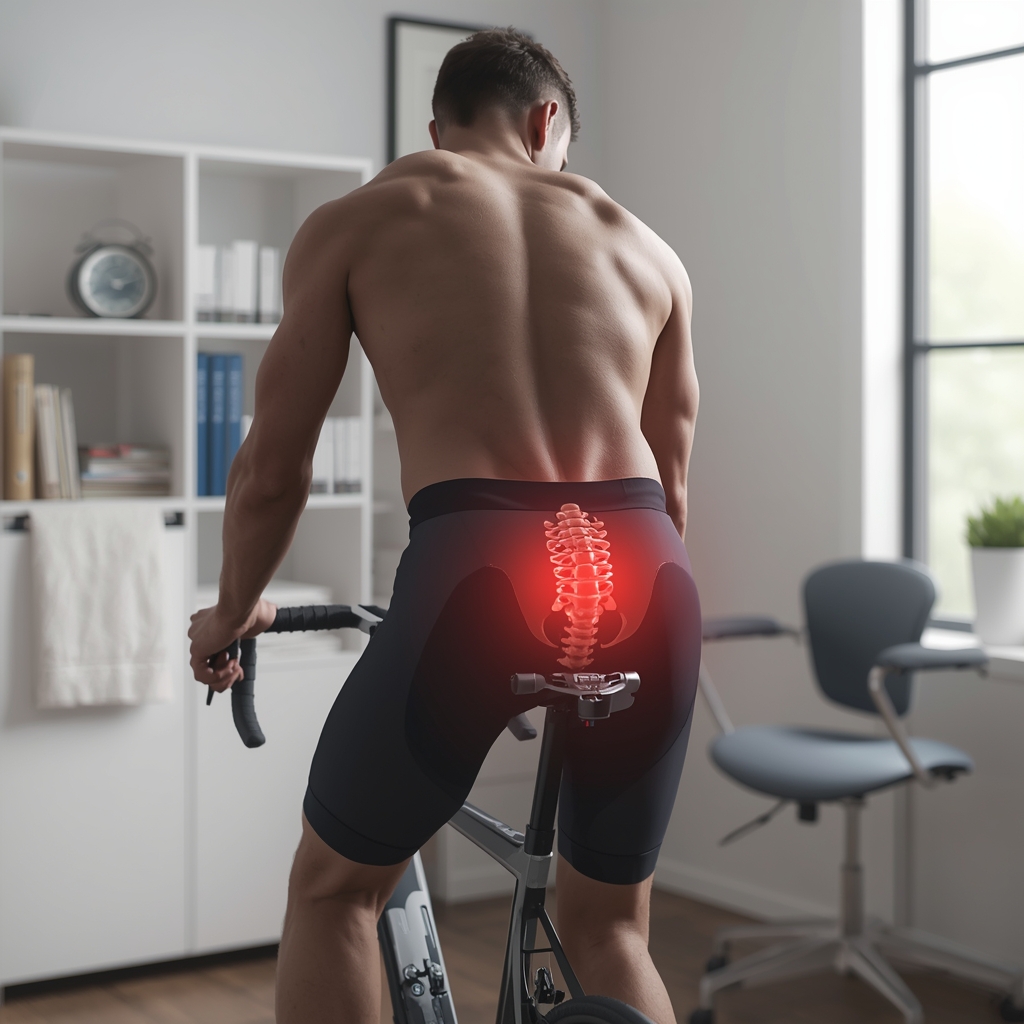
Understanding Iliotibial Band Syndrome in Cyclists
Iliotibial Band Syndrome (ITBS) is a common overuse injury among cyclists, characterized by lateral hip and knee pain due to friction of the iliotibial band over the femur. Repetitive pedaling motions can strain this thick band of fascia, leading to inflammation and discomfort. Cyclists often experience pain on the outer hip or just below the knee, which may worsen during prolonged rides. While rest and stretching are typical recommendations, chiropractic care offers a holistic approach to address underlying musculoskeletal imbalances. By focusing on spinal alignment, soft tissue health, and biomechanics, chiropractors aim to reduce pain and prevent recurrence. This article explores how targeted chiropractic interventions can support cyclists dealing with ITBS, emphasizing collaboration with healthcare providers for personalized care.
Comprehensive Chiropractic Assessment for ITBS
Chiropractors begin by conducting a thorough evaluation to identify contributing factors to ITBS. This includes assessing spinal alignment, hip mobility, and lower limb mechanics. Cyclists may have postural imbalances or muscle weaknesses that exacerbate ITBS, such as tight hip flexors or weak gluteal muscles. The chiropractor may also examine the pelvis and sacroiliac joint for misalignments that could alter gait patterns. By integrating range-of-motion tests, palpation, and functional assessments, they create a tailored plan. This process ensures that treatment addresses not only the symptoms but also the root causes. Chiropractors may collaborate with physical therapists or sports medicine professionals to provide a multidisciplinary approach, ensuring safe and effective care for cyclists seeking relief from ITBS.
Spinal Adjustments and Postural Corrections
Spinal misalignments, or subluxations, can contribute to ITBS by altering biomechanics and nerve function. Chiropractors use gentle adjustments to restore proper spinal curvature and joint mobility, which may alleviate referred pain and improve overall function. For cyclists, addressing thoracic or lumbar spine restrictions can enhance posture and reduce compensatory movements that strain the iliotibial band. Adjustments may also support the nervous system’s role in muscle coordination, potentially easing tension in the hip and thigh regions. However, these interventions are part of a broader strategy and should not replace other treatments. Patients are encouraged to discuss their specific condition with a licensed chiropractor to determine the most appropriate care plan.
Soft Tissue Techniques for ITBS Relief
Chiropractors often employ soft tissue therapies to address ITBS, focusing on releasing tight fascia and muscles surrounding the iliotibial band. Techniques like Active Release Technique (ART) involve applying pressure while the patient moves, targeting adhesions and restoring flexibility. This can reduce friction and inflammation, easing pain during cycling. Myofascial release and trigger point therapy may also be used to relax overactive muscles, such as the tensor fasciae latae. These methods complement spinal adjustments by addressing muscular imbalances that contribute to ITBS. While many cyclists find these approaches beneficial, results vary, and ongoing sessions may be needed. Always consult a qualified provider to ensure techniques are safe and suitable for your condition.
Rehabilitation and Preventive Strategies
Chiropractic care for ITBS extends beyond immediate symptom relief, emphasizing long-term rehabilitation and prevention. Customized exercise programs may include stretching routines to improve hip flexibility and strengthening exercises for the glutes and core muscles. Cyclists are often advised on proper bike fit and riding posture to minimize strain on the iliotibial band. Chiropractors may also recommend activity modifications, such as cross-training or rest periods, to avoid overuse. Education on recognizing early signs of ITBS helps patients take proactive steps to prevent flare-ups. While these strategies can be effective, they should be tailored to individual needs. A chiropractor can guide patients in developing a sustainable plan to maintain hip health and support active lifestyles.
Collaborative Care for Optimal Outcomes
Managing ITBS effectively often requires a collaborative approach involving chiropractors, physical therapists, and other healthcare professionals. Chiropractors may refer patients to specialists for advanced diagnostics or treatments, such as imaging or injections, when necessary. Open communication between providers ensures that care aligns with the patient’s goals and medical history. For cyclists, this teamwork can lead to more comprehensive solutions, addressing both acute pain and long-term mobility. It’s important to remember that chiropractic care is one component of a broader treatment plan. Always discuss your condition with a licensed chiropractor and other healthcare providers to determine the best course of action for your specific needs.













