
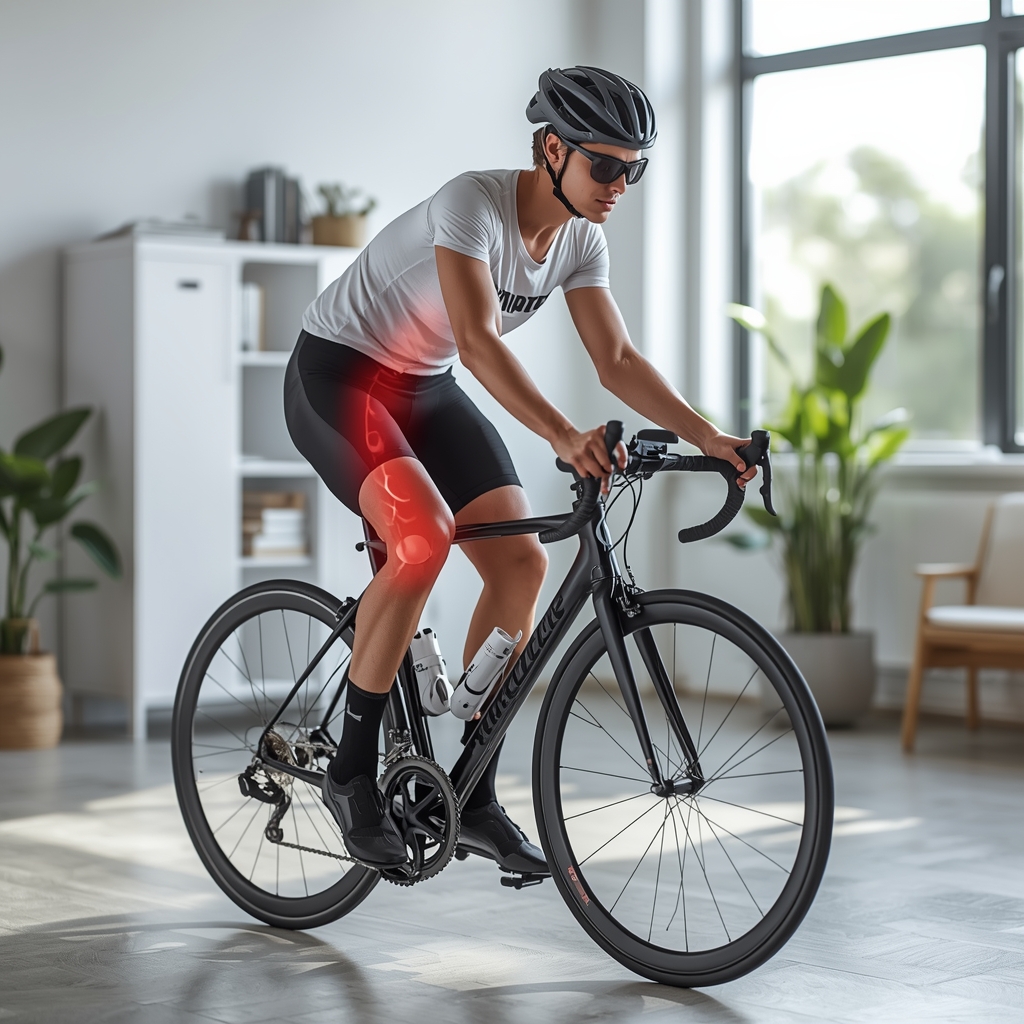
Understanding Iliotibial Band Syndrome in Cyclists
Iliotibial Band Syndrome (ITBS) is a common overuse injury among cyclists, characterized by lateral knee pain caused by friction of the iliotibial band over the femoral condyle. Cycling’s repetitive motion and prolonged knee flexion can exacerbate this condition, particularly if biomechanical imbalances or improper bike fit are present. Cyclists often experience discomfort during pedaling, especially when descending or climbing, which can hinder performance and training consistency. While ITBS is frequently linked to hip and thigh muscle weakness, tightness in the iliotibial band itself, or gait abnormalities, cyclists may also face unique challenges due to their specific movement patterns. Addressing ITBS requires a tailored approach that considers both the mechanical demands of cycling and the body’s adaptive responses. Chiropractic care offers non-invasive strategies to alleviate symptoms and restore function, making it a valuable option for athletes seeking to maintain their activity levels.
Evidence-Based Chiropractic Techniques for ITBS
Chiropractic care for ITBS focuses on reducing inflammation, improving biomechanics, and addressing underlying musculoskeletal imbalances. Techniques such as soft tissue therapy, spinal adjustments, and corrective exercises are commonly used to alleviate pain and enhance recovery. Research suggests that manual therapies targeting the iliotibial band and surrounding musculature can decrease friction and improve flexibility. Spinal adjustments may help realign the pelvis and lower extremities, reducing compensatory movements that contribute to ITBS. Additionally, evidence supports the use of instrument-assisted soft tissue mobilization (IASTM) to break down adhesions and restore tissue mobility. While specific studies on cyclists are limited, general principles of musculoskeletal care indicate that a multidisciplinary approach—combining manual therapy with patient education—often yields the best outcomes. Cyclists should consult a chiropractor to develop a personalized plan that addresses their unique needs.
Soft Tissue Mobilization and Myofascial Release
Soft tissue mobilization techniques, including Active Release Technique (ART) and Graston Technique, are frequently used to treat ITBS by targeting tight or adhered tissues along the iliotibial band. These methods involve applying controlled pressure to affected areas to break down scar tissue, reduce inflammation, and restore normal tissue function. Myofascial release, another hands-on approach, focuses on releasing tension in the fascia surrounding the band, which can improve flexibility and reduce pain. Cyclists may benefit from these therapies as they address the root causes of ITBS, such as overuse and repetitive strain. Studies on athletes with similar conditions suggest that regular soft tissue interventions can enhance recovery and prevent recurrence. However, results vary, and these techniques should be performed by trained professionals to avoid further injury. Combining soft tissue work with strengthening exercises often maximizes long-term benefits for cyclists seeking to return to their sport.
Spinal Adjustments and Postural Rebalancing
Spinal adjustments play a critical role in managing ITBS by correcting misalignments that may contribute to biomechanical inefficiencies. A misaligned pelvis or lumbar spine can alter weight distribution and increase stress on the iliotibial band during cycling. Chiropractors use manual or instrument-assisted adjustments to restore proper spinal curvature and joint function, which can alleviate referred pain and improve overall movement patterns. For cyclists, addressing postural imbalances is essential, as prolonged riding positions often lead to muscle tightness and asymmetry. By realigning the spine and pelvis, adjustments may reduce compensatory movements that exacerbate ITBS. While direct evidence linking spinal adjustments to ITBS recovery is limited, clinical observations suggest that optimizing musculoskeletal alignment supports the body’s natural healing processes. Cyclists experiencing persistent pain should consider a comprehensive evaluation to determine if spinal care is part of an effective treatment strategy.
Corrective Exercises and Strengthening Programs
Strengthening and stretching exercises are foundational in treating ITBS, as they address muscle imbalances and improve joint stability. Cyclists often benefit from targeted programs that focus on the hip abductors, glutes, and core muscles, which play a key role in stabilizing the pelvis during pedaling. Exercises such as clamshells, side-lying leg lifts, and hip bridges can enhance muscle activation and reduce strain on the iliotibial band. Additionally, dynamic stretching routines help maintain flexibility and prevent tissue stiffness. Chiropractors may prescribe these exercises as part of a broader care plan, emphasizing proper form and gradual progression to avoid overloading the affected area. Research indicates that consistent adherence to corrective exercises can significantly reduce ITBS symptoms and lower the risk of re-injury. Cyclists should work closely with their chiropractor to tailor these programs to their specific needs and training schedules.
Integrating Chiropractic Care with Other Therapies
A holistic approach to ITBS often involves combining chiropractic care with other therapeutic modalities, such as physical therapy, massage, or dry needling. Chiropractors may collaborate with physical therapists to design rehabilitation programs that address both structural and functional limitations. For example, while spinal adjustments correct alignment, physical therapy can focus on restoring range of motion and strength. Massage therapy can further alleviate muscle tension, while dry needling may target trigger points contributing to pain. Cyclists should discuss these options with their chiropractor to determine the most effective combination for their condition. It’s important to note that while these therapies are generally safe, individual responses may vary. A personalized, multidisciplinary strategy is often the most successful in managing ITBS and enabling cyclists to return to their activities without discomfort.












