
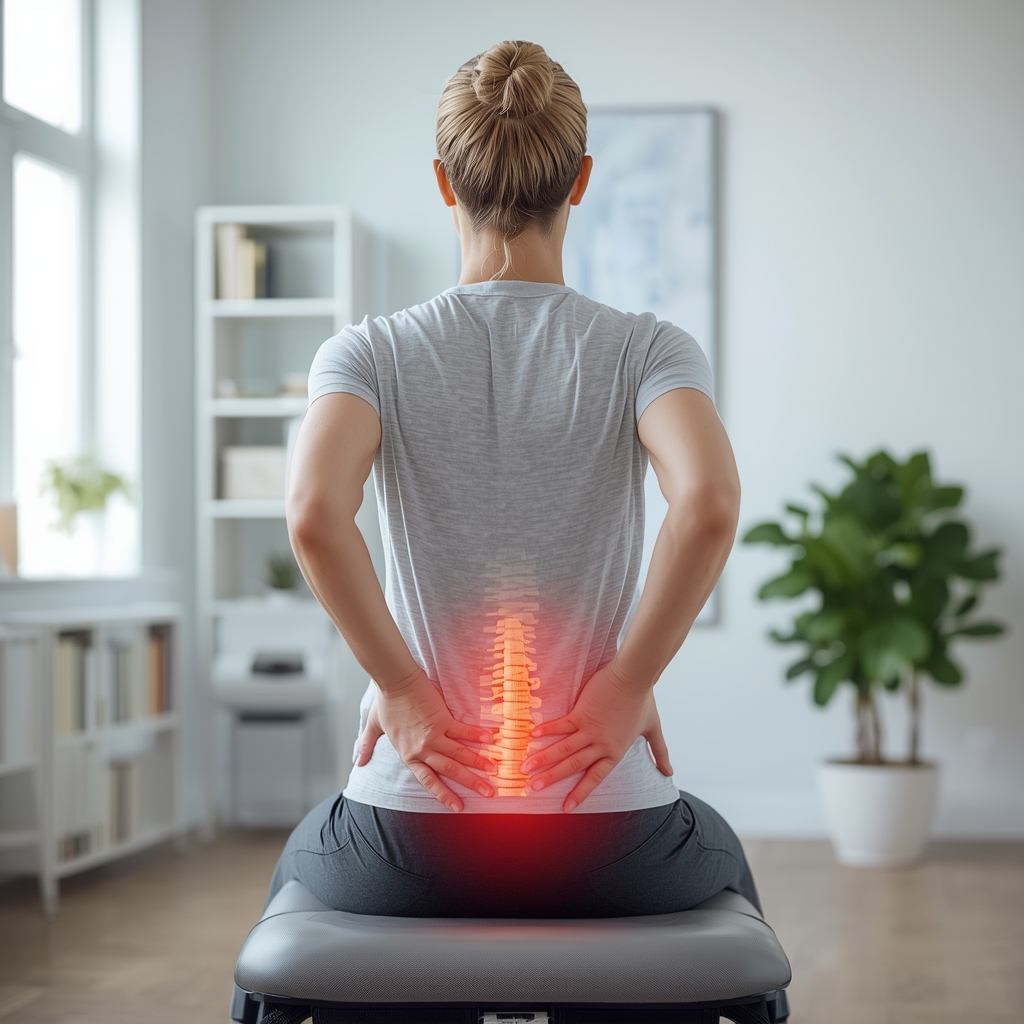
Understanding Lumbar Spinal Stenosis and Non-Surgical Options
Lumbar spinal stenosis occurs when the spinal canal in the lower back narrows, compressing nerves and causing pain, numbness, or weakness in the legs. While surgery is an option for severe cases, many patients seek non-surgical approaches to manage symptoms. Chiropractic care offers techniques that focus on improving spinal alignment and reducing pressure without invasive procedures. These methods aim to enhance mobility, alleviate discomfort, and support the body’s natural healing processes. It’s important to work with a qualified chiropractor who understands the condition and can tailor treatments to individual needs. By prioritizing gentle, targeted interventions, patients can explore alternatives that may complement other therapies or delay the need for surgery.
Gentle Spinal Adjustments for Lumbar Spinal Stenosis
Chiropractic adjustments for lumbar spinal stenosis typically involve low-force techniques designed to relieve nerve pressure and improve spinal function. Methods like diversified adjustments or flexion-distraction therapy are often used, as they minimize stress on the spine while addressing misalignments. These approaches focus on creating space in the spinal canal to reduce compression. However, not all adjustment styles are suitable for this condition, so a chiropractor’s evaluation is crucial. Patients should discuss their symptoms and medical history to ensure the chosen technique aligns with their specific needs. When performed correctly, these adjustments can help reduce pain and improve daily functionality without the risks associated with surgery.
Decompression Therapy: A Safe Alternative
Spinal decompression therapy is a non-surgical technique that gently stretches the spine to relieve pressure on nerves and discs. This method is often used for conditions like lumbar spinal stenosis, as it can create more space between vertebrae and reduce irritation. The process involves a specialized table or device that applies controlled, rhythmic traction to the spine. Many patients report reduced pain and improved mobility after sessions. However, it’s essential to seek a chiropractor experienced in this therapy to ensure proper application. While decompression therapy is generally safe, it may not be appropriate for everyone. A thorough assessment by a healthcare provider can determine if this approach is suitable for individual cases.
Combining Techniques for Comprehensive Care
Chiropractic care for lumbar spinal stenosis often includes a combination of therapies to address both structural and soft tissue issues. In addition to adjustments and decompression, techniques like soft tissue therapy, muscle relaxation, and corrective exercises may be incorporated. These adjunct methods help reduce inflammation, improve flexibility, and strengthen supporting muscles. A chiropractor may also recommend lifestyle modifications, such as posture adjustments or ergonomic changes, to prevent symptom flare-ups. By integrating multiple approaches, patients can achieve more balanced relief and long-term management of their condition. It’s important to follow a personalized care plan and communicate regularly with the chiropractor to monitor progress and make necessary adjustments.
The Role of Professional Evaluation and Customization
Every patient with lumbar spinal stenosis has unique needs, making a thorough evaluation by a chiropractor essential. During the initial consultation, the provider will review the patient’s medical history, symptoms, and imaging results to develop a safe treatment plan. This process helps identify which techniques are most appropriate and avoids interventions that could worsen the condition. Regular follow-ups allow for adjustments to the care strategy as symptoms evolve. Patients should feel empowered to ask questions and express concerns about their treatment. Open communication ensures that the chiropractor can tailor therapies to the individual’s comfort level and health goals, promoting a safer and more effective recovery journey.
Managing Expectations and Long-Term Outcomes
While chiropractic techniques can provide relief for lumbar spinal stenosis, results vary depending on the severity of the condition and the patient’s overall health. Some individuals experience significant improvement, while others may find gradual symptom management. It’s important to approach treatment with realistic expectations and understand that ongoing care may be necessary. Chiropractors often emphasize the importance of consistency and adherence to recommended protocols. Patients should also be aware that these methods are not a substitute for medical advice but can complement other treatments. By maintaining regular consultations and staying informed about their condition, patients can make informed decisions about their care and work toward long-term wellness.














