
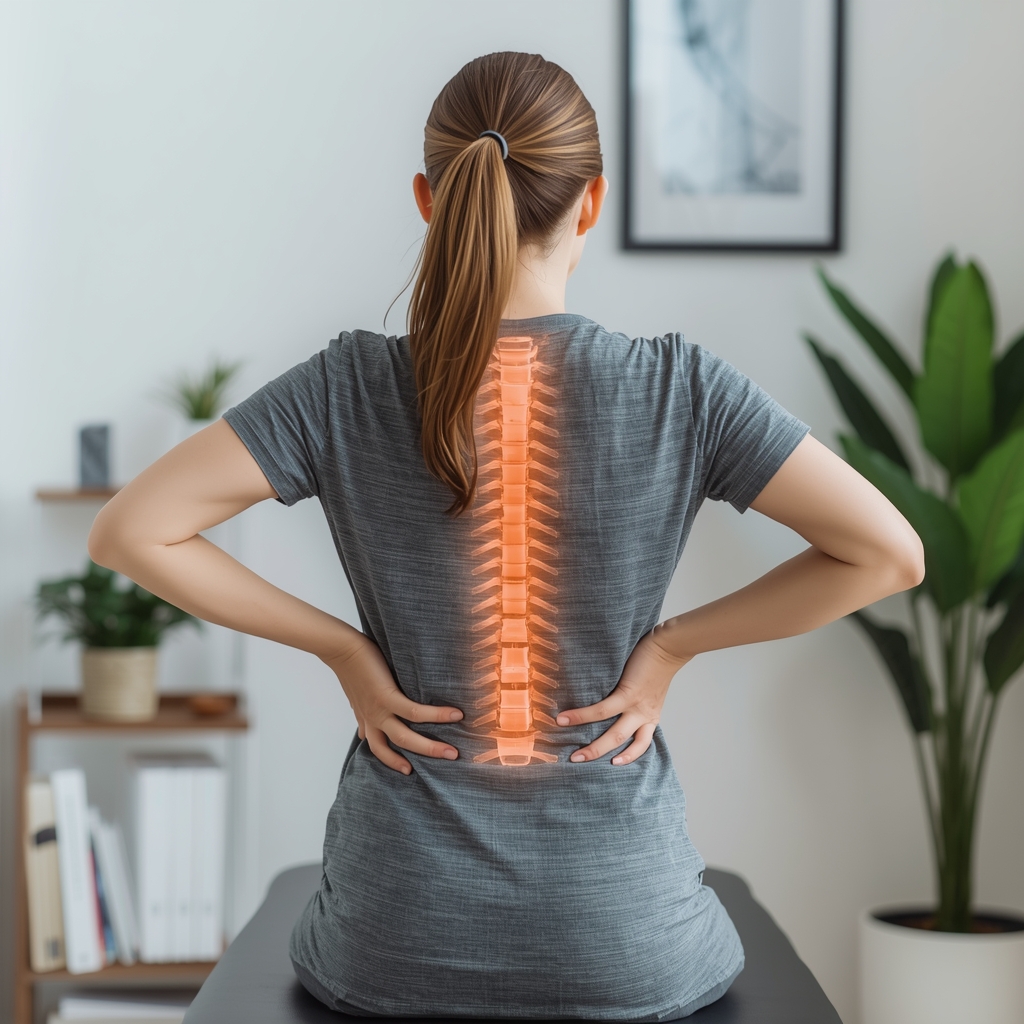
Understanding Lumbar Spinal Stenosis and Chiropractic Care
Lumbar spinal stenosis occurs when the spinal canal in the lower back narrows, compressing nerves and causing pain, numbness, or weakness in the legs. While conservative treatments like physical therapy and medications are common, chiropractic care offers non-invasive options. Adjustments and decompression techniques aim to relieve pressure on nerves and improve mobility. These approaches focus on realigning the spine and reducing inflammation, which may alleviate symptoms. However, they are not a cure and are often part of a broader treatment plan. Patients should consult a qualified chiropractor to determine if these methods suit their condition. The goal is to enhance comfort and functional ability while avoiding surgical intervention when possible.
How Chiropractic Adjustments Work for Lumbar Stenosis
Spinal adjustments involve manual manipulations to correct misalignments, or subluxations, that may contribute to nerve compression. For lumbar stenosis, these adjustments aim to restore proper spinal mechanics and reduce pressure on affected nerves. By improving joint mobility and muscle function, adjustments can ease pain and enhance nerve signaling. Techniques like diversified or flexion-distraction adjustments are commonly used. While research on their efficacy for stenosis is limited, many patients report symptom relief. It is important to note that adjustments are most effective when combined with other therapies, such as exercise or lifestyle modifications. A chiropractor will tailor the approach to the individual’s needs, ensuring safety and comfort during treatment.
Decompression Therapy: A Targeted Approach
Spinal decompression therapy uses mechanical traction to gently stretch the spine, creating negative pressure that can relieve nerve compression. This technique is often used for conditions like herniated discs or spinal stenosis. By reducing pressure on spinal nerves, decompression may alleviate pain and improve mobility. It is typically performed on a specialized table that adjusts to the patient’s body weight and curvature. Some studies suggest decompression therapy can be beneficial for lumbar stenosis, though results vary. It is often recommended for patients who have not responded to other conservative treatments. The therapy is non-surgical and may be used alongside adjustments or rehabilitative exercises to maximize outcomes.
Patient Selection Criteria for Chiropractic Interventions
Not all patients with lumbar stenosis are suitable candidates for chiropractic care. A thorough evaluation by a licensed chiropractor is essential to determine appropriateness. Factors include the severity of nerve compression, presence of instability, and overall spinal health. Patients with severe stenosis, spinal tumors, or fractures may require alternative treatments. Chiropractors also consider the patient’s medical history and current symptoms. For those with mild to moderate stenosis, non-invasive options like adjustments or decompression may be viable. A personalized assessment ensures treatments align with the patient’s condition and goals. Open communication with a healthcare provider is crucial to make informed decisions about care plans.
Benefits and Limitations of Chiropractic Treatments
Chiropractic adjustments and decompression therapy may offer several benefits for lumbar stenosis, including reduced pain, improved mobility, and enhanced quality of life. These methods are non-invasive and avoid the risks associated with surgery. Some patients experience relief from leg pain and numbness, allowing for greater activity levels. However, results can vary, and these treatments may not work for everyone. They are generally most effective for mild to moderate cases and often require ongoing sessions. Potential limitations include the need for multiple visits and the possibility of temporary discomfort. Patients should discuss expectations with their chiropractor and consider combining these approaches with other therapies for optimal outcomes.
Consulting a Qualified Chiropractor for Personalized Care
Individuals considering chiropractic care for lumbar stenosis should seek a licensed professional with experience in spinal conditions. A thorough initial consultation will include a medical history review, physical examination, and possibly imaging studies to assess the spine. The chiropractor will develop a customized treatment plan based on the patient’s unique needs. It is important to communicate openly about symptoms, goals, and any concerns. Regular follow-ups allow for adjustments to the plan as needed. While chiropractic care can be a valuable option, it is not a substitute for medical advice. Patients should work with their primary care provider to ensure all aspects of their condition are addressed comprehensively.













