
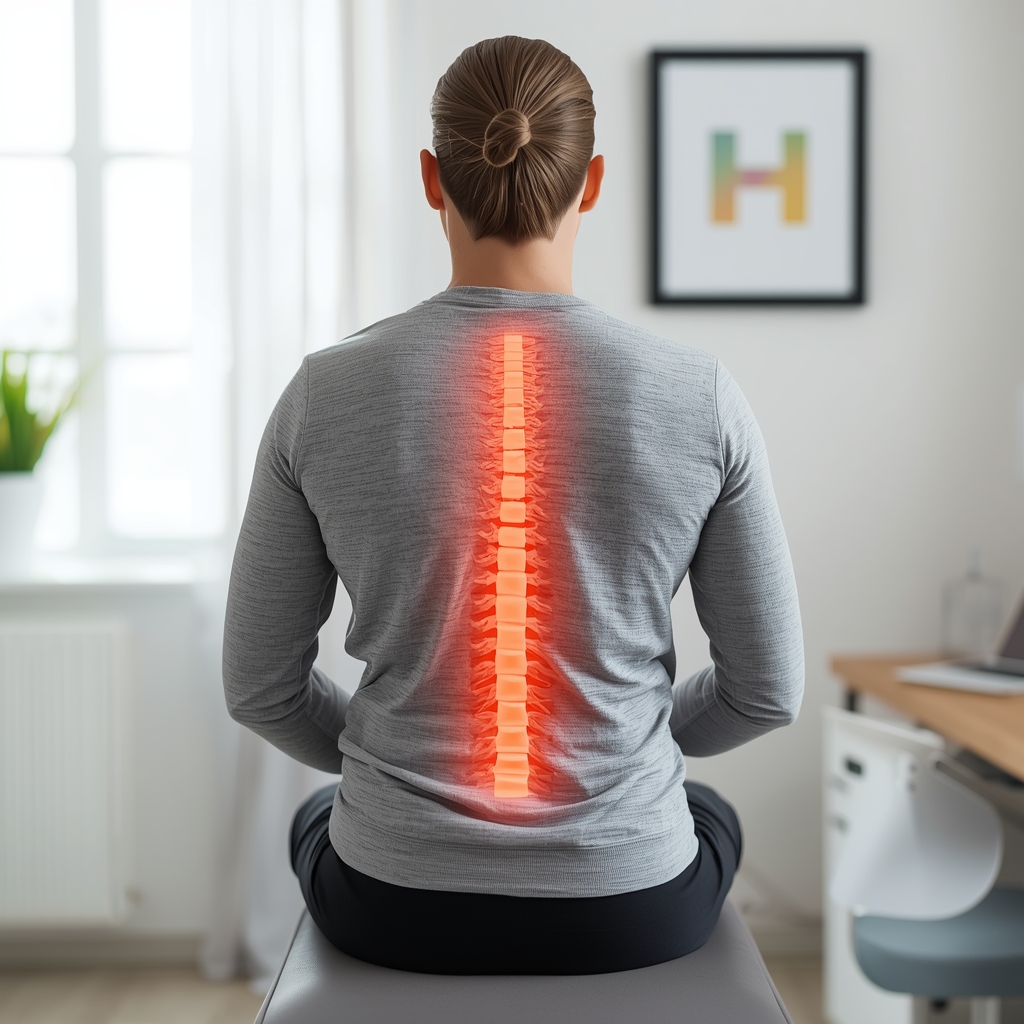
Understanding Lumbar Spinal Stenosis and Neurogenic Claudication
Lumbar spinal stenosis occurs when the spinal canal narrows, compressing nerves in the lower back. This condition often causes neurogenic claudication—a burning or cramping pain in the legs that worsens with standing or walking and improves when sitting or bending forward. The discomfort arises from reduced blood flow to nerves due to compression, leading to functional limitations. While surgery is an option, many patients seek non-invasive solutions like decompression techniques and postural corrections. These approaches aim to relieve pressure on affected nerves and improve mobility. Understanding how these methods work can help individuals make informed decisions about their care. A chiropractor can evaluate symptoms and recommend personalized strategies to address the root causes of stenosis and its associated pain.
Decompression Techniques for Lumbar Spinal Stenosis
Decompression therapy, including mechanical traction and spinal decompression devices, is commonly used to alleviate pressure on spinal nerves. These techniques gently stretch the spine, creating space between vertebrae and reducing nerve compression. Manual decompression performed by a chiropractor may also involve specific adjustments to realign the spine and improve mobility. By decreasing pressure on the spinal canal, these methods can enhance blood flow and reduce inflammation, potentially easing neurogenic claudication. Patients often report improved comfort and greater ease in daily activities after consistent decompression sessions. However, results vary, and a chiropractor will tailor the approach to individual needs, ensuring safety and effectiveness.
Postural Corrections to Alleviate Symptoms
Improving posture is a critical component of managing lumbar spinal stenosis. Poor posture, such as excessive lumbar curvature or forward head positioning, can exacerbate nerve compression. Corrective exercises, like core strengthening and flexibility routines, help stabilize the spine and reduce strain. Ergonomic adjustments, such as using supportive chairs or modifying workstations, also play a role in maintaining proper alignment. Chiropractors may recommend specific postural retraining techniques to encourage a more neutral spine position, which can ease pressure on nerves. By addressing postural imbalances, patients may experience less pain and better overall function. These corrections are often most effective when combined with other treatments, such as decompression therapy, to create a comprehensive care plan.
How Decompression and Posture Work Together
Decompression techniques and postural corrections complement each other in managing lumbar spinal stenosis. Decompression relieves immediate nerve pressure, while postural adjustments address underlying biomechanical issues. For example, a chiropractor might use decompression to temporarily widen the spinal canal, followed by postural exercises to maintain this alignment. This dual approach can reduce inflammation, improve mobility, and prevent further degeneration. Patients who combine these strategies often report sustained relief from neurogenic claudication. However, consistency is key, as both methods require ongoing practice and professional guidance. By integrating decompression with postural improvements, individuals can achieve more balanced and long-term symptom management.
Patient Considerations and Professional Guidance
While decompression and postural corrections offer potential benefits, they are not one-size-fits-all solutions. A chiropractor will assess each patient’s condition, medical history, and lifestyle to create a tailored plan. Factors like the severity of stenosis, overall health, and activity level influence treatment choices. It is essential to consult a qualified provider to avoid improper techniques that could worsen symptoms. Patients should also communicate any discomfort during sessions and follow recommended home exercises. Regular follow-ups ensure adjustments are effective and safe. By working closely with a chiropractor, individuals can navigate these therapies with confidence, focusing on gradual progress and sustainable relief from lumbar spinal stenosis symptoms.
Conclusion: A Holistic Approach to Spinal Health
Managing lumbar spinal stenosis involves a multifaceted strategy that prioritizes both immediate relief and long-term spinal health. Decompression techniques and postural corrections are valuable tools in reducing nerve compression and alleviating neurogenic claudication. By addressing structural and biomechanical factors, these approaches can enhance mobility and quality of life. However, their success depends on personalized care and professional oversight. Patients are encouraged to explore these options in consultation with a chiropractor, who can guide them toward the most effective solutions. With a commitment to holistic care, individuals can take proactive steps to manage their condition and maintain an active, pain-free lifestyle.














