
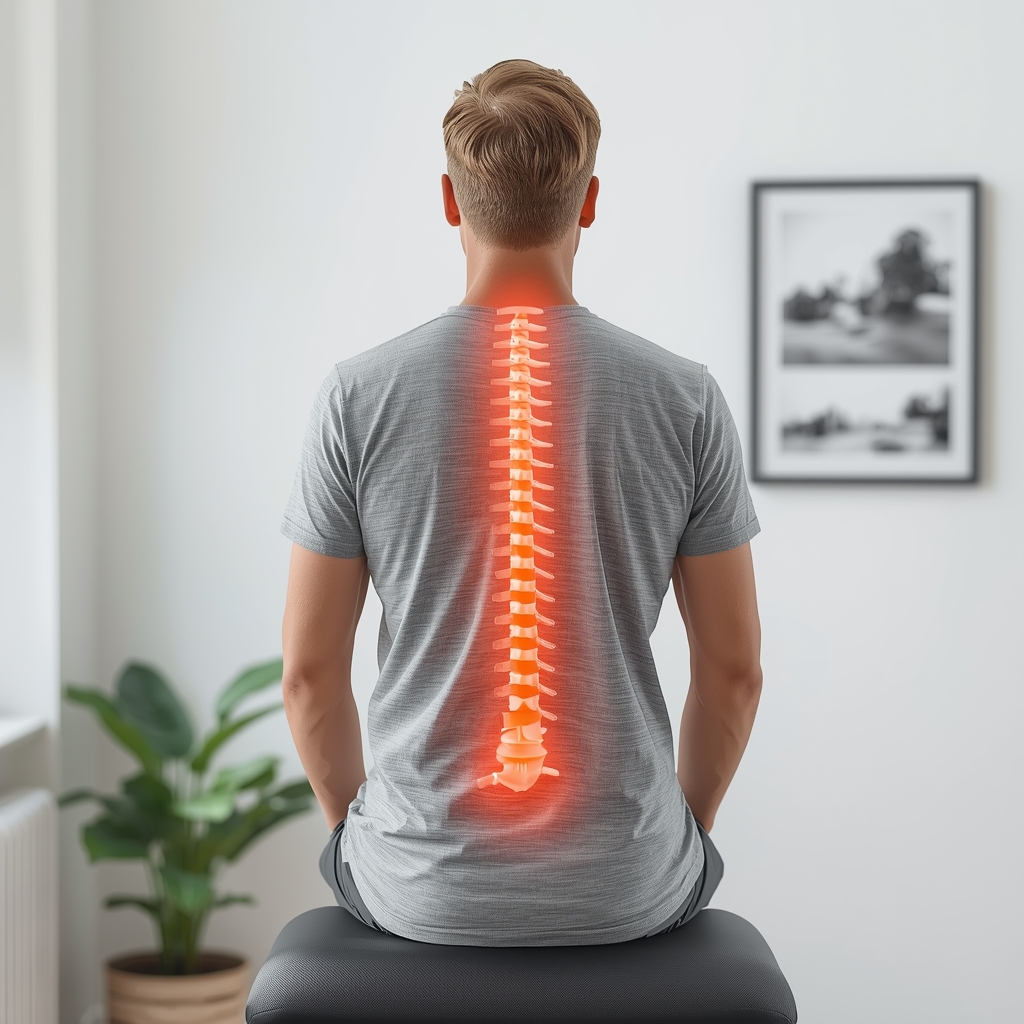
Understanding Lumbar Spinal Stenosis and Its Impact
Lumbar spinal stenosis occurs when the spinal canal narrows, compressing nerves in the lower back. This condition often causes pain, numbness, or weakness in the legs, particularly during standing or walking. While surgery is an option, many seek non-invasive approaches to manage symptoms. Conservative strategies like spinal decompression and postural corrections aim to reduce pressure on nerves and improve mobility. These methods focus on alleviating discomfort without surgical intervention, making them appealing for patients seeking less invasive solutions. Understanding the underlying mechanics of stenosis helps highlight how targeted therapies can provide relief. A chiropractor can evaluate individual cases to determine the best course of action, ensuring treatments align with the patient’s needs and condition severity.
How Spinal Decompression Therapy Works
Spinal decompression therapy uses mechanical traction to gently stretch the spine, creating space between vertebrae. This process can relieve pressure on compressed nerves, a common issue in lumbar stenosis. By reducing nerve compression, decompression may decrease pain and improve mobility. The therapy is often combined with other chiropractic techniques to enhance outcomes. It is typically performed in a series of sessions, with adjustments tailored to the patient’s comfort and condition. While not a cure, many patients report reduced symptoms and improved quality of life. A chiropractor can assess whether decompression therapy is suitable for an individual’s specific case, ensuring it complements their overall treatment plan.
The Role of Postural Corrections in Symptom Relief
Poor posture can exacerbate lumbar spinal stenosis by increasing pressure on the spine and nerves. Correcting posture through targeted exercises and ergonomic adjustments may alleviate discomfort. A chiropractor can identify postural imbalances and recommend strategies to restore proper alignment. For example, strengthening core muscles and improving flexibility can reduce strain on the lower back. Postural corrections also help distribute weight more evenly, minimizing nerve compression. Over time, these changes may lead to lasting relief and better spinal health. Patients are encouraged to work with a qualified provider to develop a personalized plan that addresses their unique needs and lifestyle.
Combining Decompression with Postural Adjustments
Integrating spinal decompression with postural corrections can enhance symptom relief for lumbar stenosis. Decompression reduces nerve pressure, while postural adjustments address underlying biomechanical issues. This combined approach may improve mobility and reduce pain more effectively than either method alone. A chiropractor can design a customized treatment plan, balancing these techniques to suit the patient’s condition. For instance, decompression sessions might be paired with exercises to strengthen supporting muscles. Consistency is key, as gradual improvements often result from sustained care. Patients should discuss their progress with their provider to ensure the strategy remains effective and adaptable to their needs.
Benefits of Conservative Management Over Surgery
Non-surgical options like spinal decompression and postural corrections offer several advantages over surgery. They typically involve lower risks, shorter recovery times, and fewer complications. These methods also allow patients to maintain their daily routines with minimal disruption. Conservative care focuses on addressing the root causes of symptoms rather than just managing them. Additionally, it provides a foundation for long-term spinal health through lifestyle and movement adjustments. While surgery may be necessary in severe cases, many find relief through these approaches. A chiropractor can guide patients in choosing the most appropriate strategy based on their condition and goals.
When to Seek Professional Guidance
If you experience symptoms of lumbar spinal stenosis, consulting a chiropractor is a crucial first step. A professional can assess your condition and recommend personalized treatment options. They will consider factors like symptom severity, lifestyle, and overall health to create an effective plan. It’s important to discuss all available approaches, including decompression therapy and postural corrections, to determine the best fit. Regular follow-ups ensure adjustments are made as needed to optimize results. By working with a qualified provider, you can explore safe, evidence-based strategies to manage your symptoms and improve your quality of life.














