
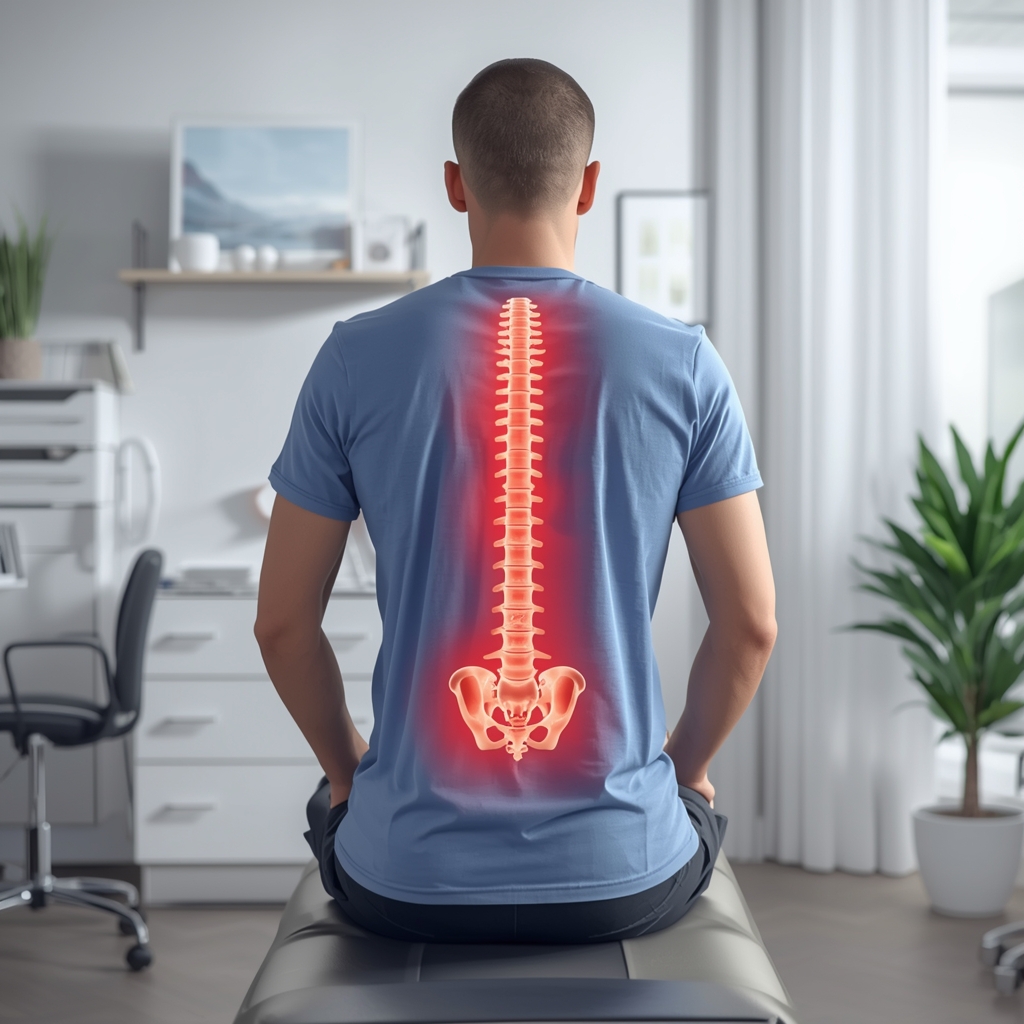
Understanding Lumbar Spinal Stenosis and Non-Surgical Options
Lumbar spinal stenosis occurs when the spinal canal narrows, compressing nerves and causing pain, numbness, or weakness in the lower back and legs. While surgery is often considered for severe cases, many patients explore non-surgical approaches to manage symptoms. Chiropractic care offers a conservative alternative by addressing spinal alignment and reducing pressure on affected nerves. A chiropractor may use adjustments, soft tissue therapy, and lifestyle recommendations to improve mobility and alleviate discomfort. This approach prioritizes the body’s natural ability to heal, focusing on long-term relief rather than temporary fixes. Patients often report improved function and reduced pain through consistent, personalized care. It is important to consult a qualified chiropractor to determine the best strategy for individual needs.
How Chiropractic Adjustments Reduce Nerve Compression
Spinal adjustments are a cornerstone of chiropractic care, aiming to restore proper alignment to the vertebrae. In lumbar spinal stenosis, misalignments (subluxations) can exacerbate nerve compression, leading to inflammation and pain. By gently manipulating the spine, chiropractors may create more space within the spinal canal, easing pressure on nerves. This can help reduce symptoms like radiating leg pain or difficulty walking. Adjustments also improve joint mobility and muscle function, which may enhance overall spinal stability. While results vary, many patients find that regular adjustments contribute to better posture and reduced discomfort. It is essential to work with a licensed chiropractor who understands spinal stenosis to ensure safe, effective treatment. These techniques are often part of a broader plan that includes other therapeutic strategies.
Spinal Decompression and Gentle Manipulation Techniques
Spinal decompression is a non-surgical method that may complement chiropractic adjustments for lumbar stenosis. This technique involves gently stretching the spine to create negative pressure within the discs, which can help relieve pressure on nerves. Chiropractors may use specialized tables or manual methods to achieve this, often in conjunction with other therapies. Decompression can reduce inflammation and promote healing by improving disc hydration and nutrient flow. For some patients, this approach may alleviate pain and restore function without the need for invasive procedures. It is typically combined with soft tissue work, such as myofascial release, to address muscle tension that contributes to nerve compression. These methods are generally safe when performed by a trained professional, but they should be discussed with a chiropractor to ensure they align with individual health goals.
Complementary Therapies for Symptom Management
Chiropractic care often integrates additional therapies to enhance outcomes for lumbar spinal stenosis. Soft tissue techniques, like massage or trigger point therapy, can ease muscle spasms and improve blood flow around the spine. Stretching and strengthening exercises, tailored to the patient’s condition, may also play a role in reducing stiffness and supporting spinal health. Some chiropractors recommend heat or cold therapy to manage inflammation and pain. These approaches work alongside adjustments to address both structural and muscular factors contributing to symptoms. Patients are encouraged to maintain open communication with their chiropractor to adjust the treatment plan as needed. While these therapies can provide relief, they are most effective when part of a comprehensive, individualized strategy that prioritizes long-term wellness.
Personalized Care for Long-Term Relief
Each patient’s experience with lumbar spinal stenosis is unique, requiring a customized treatment plan. A chiropractor will evaluate the spine’s structure, movement patterns, and overall health to design an approach that suits the individual’s needs. This may involve a combination of adjustments, decompression, and rehabilitative exercises. Consistency is key, as gradual improvements often lead to sustained relief. Patients are also advised on lifestyle modifications, such as ergonomic adjustments or activity modifications, to prevent symptom flare-ups. Regular follow-ups allow the chiropractor to monitor progress and make necessary adjustments. By focusing on the root causes of discomfort rather than just symptoms, chiropractic care can empower patients to take an active role in their recovery and long-term spinal health.
When to Seek Chiropractic Care for Spinal Stenosis
If you experience persistent lower back pain, leg numbness, or difficulty walking, it is important to consult a healthcare provider to rule out serious conditions. A chiropractor can offer a non-surgical option for managing symptoms, but it is crucial to first receive a proper diagnosis. They may collaborate with other medical professionals to ensure a safe, coordinated approach. Chiropractic care is often most effective when started early, as it can prevent further degeneration and improve quality of life. Patients should discuss their medical history and current medications with their chiropractor to avoid potential conflicts. While chiropractic adjustments are generally safe, they are not a substitute for necessary medical interventions. Always seek guidance from a qualified practitioner to determine the best path for your specific condition.












