Understanding Cervical Spinal Stenosis in the Elderly
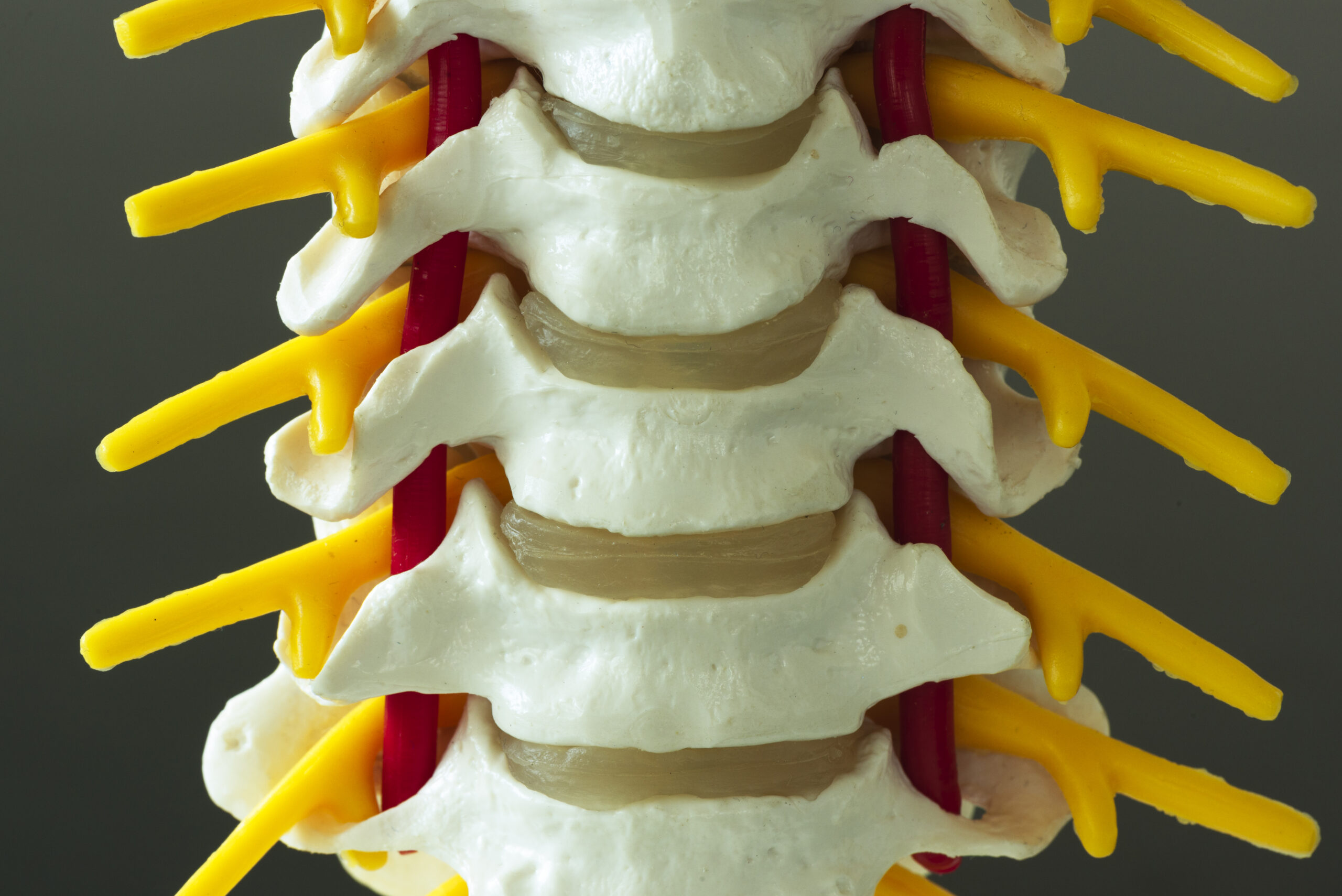
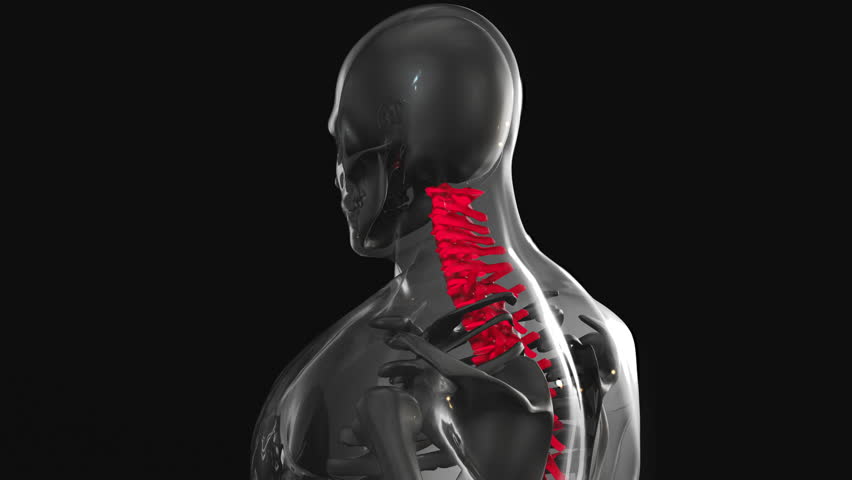
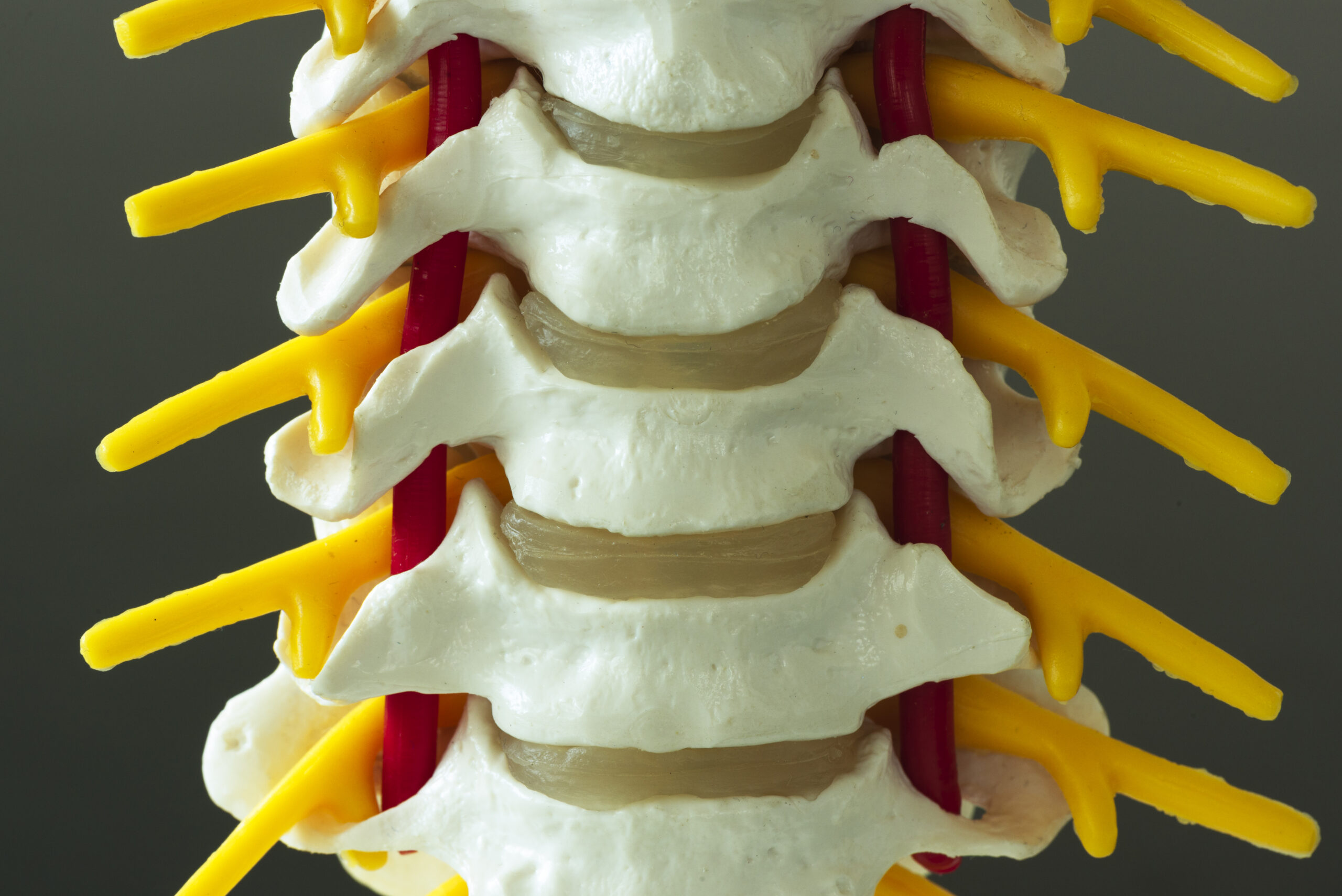
Cervical spinal stenosis occurs when the spinal canal in the neck narrows, compressing the spinal cord or nerves. This condition is more common in older adults due to age-related changes like bone spurs, herniated discs, or thickened ligaments. Symptoms may include neck pain, stiffness, numbness, or weakness in the arms and hands. For elderly patients, managing this condition is critical to maintaining mobility and quality of life. While medical treatments like medication or surgery are options, many seek non-invasive approaches. Chiropractic care, focusing on spinal adjustments and posture corrections, offers a complementary strategy. However, it’s essential to approach these interventions with caution, as the elderly may have additional health considerations. Understanding the most effective techniques can help patients and caregivers make informed decisions about their care.
Spinal Adjustments for Cervical Spinal Stenosis
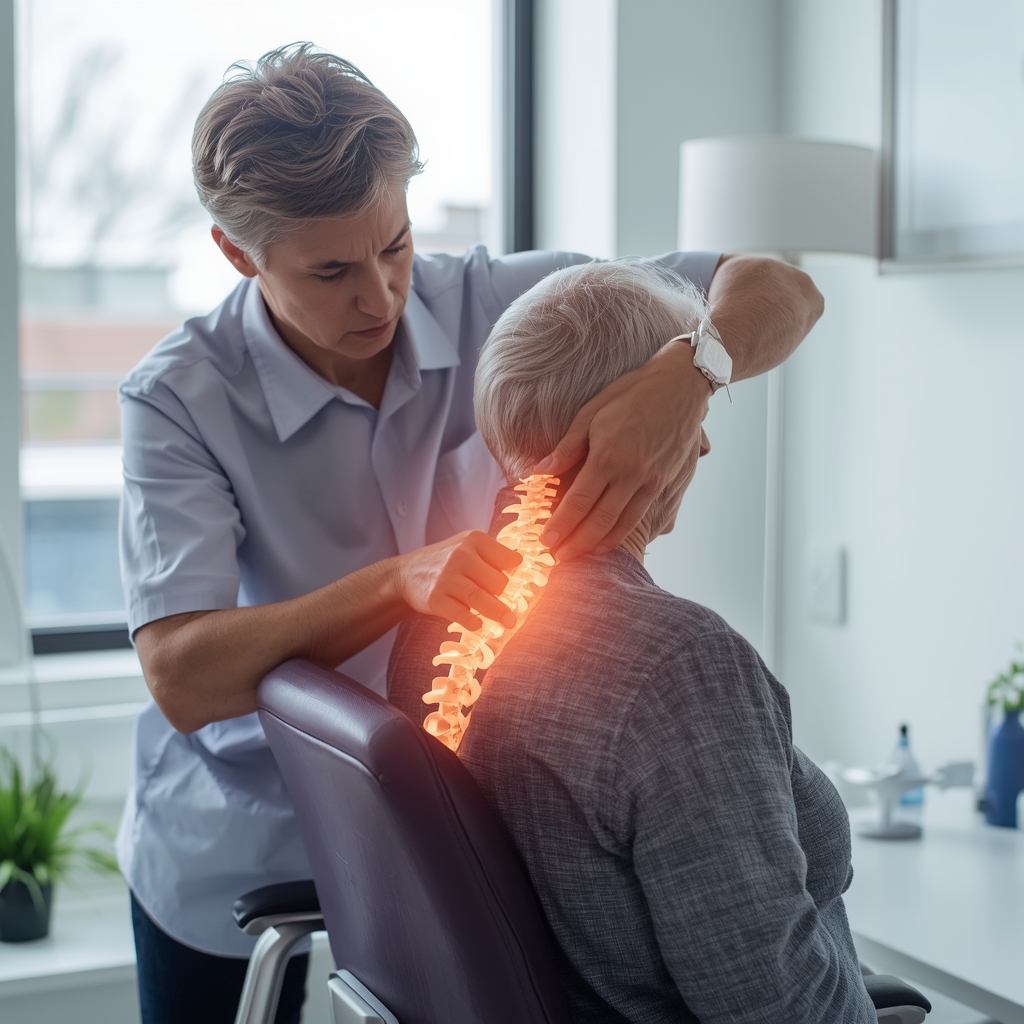
Spinal adjustments, a cornerstone of chiropractic care, aim to realign the spine and relieve pressure on nerves. For cervical spinal stenosis, gentle, targeted adjustments are typically recommended to avoid exacerbating symptoms. Techniques like diversified adjustments or mobilization may help improve joint mobility and reduce discomfort. However, the effectiveness of these methods varies, and they should always be performed by a licensed chiropractor experienced in working with older adults. Some studies suggest that spinal adjustments can alleviate pain and improve function, though more research is needed to confirm long-term benefits. Patients should communicate openly with their chiropractor about their medical history and any existing conditions to ensure the adjustments are safe and appropriate.
Posture Corrections and Ergonomic Strategies
Posture plays a significant role in managing cervical spinal stenosis, as poor alignment can worsen nerve compression. Correcting forward head posture, a common issue in the elderly, can reduce strain on the neck and improve spinal mechanics. Ergonomic adjustments, such as using supportive pillows, maintaining proper sitting posture, and avoiding prolonged screen time, are key. Chiropractors often recommend exercises to strengthen neck and shoulder muscles, enhancing stability. Additionally, regular movement breaks and stretching can prevent stiffness. These corrections are not a substitute for professional care but can complement spinal adjustments. By addressing posture and daily habits, elderly patients may experience reduced symptoms and better overall spinal health, emphasizing the importance of a holistic approach to treatment.
Combining Adjustments with Posture Corrections
Integrating spinal adjustments with posture corrections often yields better outcomes for cervical spinal stenosis. Adjustments address structural imbalances, while posture corrections reduce ongoing stress on the spine. For example, a chiropractor might perform gentle adjustments to realign the cervical vertebrae and then guide the patient in adopting a more neutral neck position. This dual approach can enhance nerve function and alleviate pain more effectively than either method alone. However, the combination must be tailored to the individual’s needs, considering factors like bone density and existing health conditions. Patients may also benefit from home exercises or ergonomic modifications recommended by their chiropractor. Consistency and communication with the care provider are vital to ensure safety and effectiveness, especially for elderly individuals who may have multiple health concerns.
Safety Considerations for Elderly Patients
When addressing cervical spinal stenosis in elderly patients, safety is paramount. The aging spine is more fragile, and aggressive adjustments could pose risks. Chiropractors must use modified techniques, such as low-force or instrument-assisted methods, to minimize strain. A thorough evaluation, including medical history and imaging if necessary, is essential before starting care. Patients should also inform their chiropractor about any medications, implants, or conditions like osteoporosis. Regular monitoring and open dialogue between the patient and provider help mitigate risks. While chiropractic care can be beneficial, it’s important to view it as part of a broader care plan that may include physical therapy, medical supervision, or lifestyle changes. Prioritizing safety ensures that interventions are both effective and appropriate for the unique needs of older adults.
Consulting a Qualified Chiropractor
For elderly patients with cervical spinal stenosis, consulting a qualified chiropractor is a critical step. A licensed professional can assess the condition, develop a personalized care plan, and recommend the most suitable adjustments and posture corrections. It’s important to choose a chiropractor with experience in geriatric care and a thorough understanding of spinal stenosis. Patients should ask about the practitioner’s credentials, treatment philosophy, and approach to elderly patients. Open communication about symptoms, concerns, and expectations ensures that care is tailored to individual needs. While chiropractic care can offer relief, it should complement, not replace, medical advice. By working closely with a trusted chiropractor, elderly patients can explore safe, effective strategies to manage their condition and improve their quality of life.