
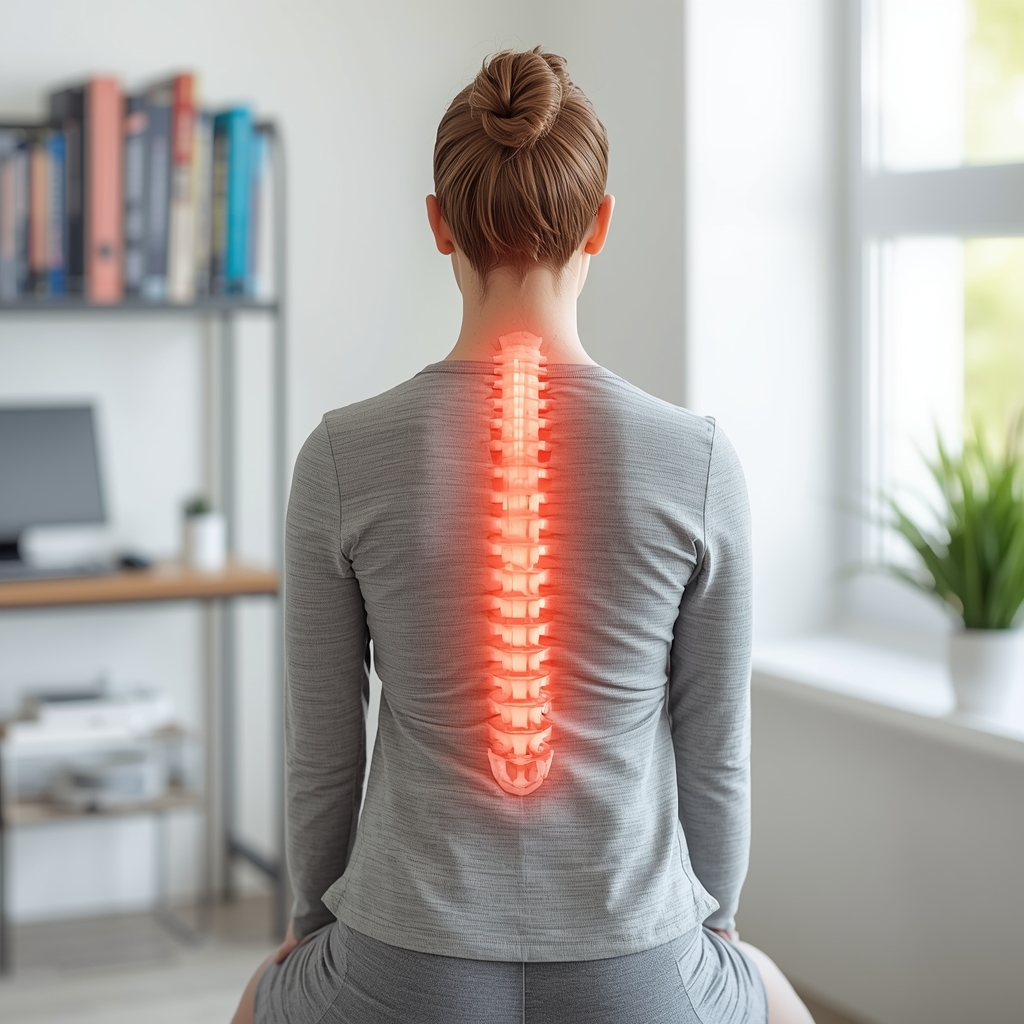
Understanding Cervical Spinal Stenosis and Its Unique Challenges
Cervical spinal stenosis occurs when the spinal canal in the neck narrows, compressing the spinal cord or nerves. This condition often causes pain, numbness, or weakness in the arms, hands, or legs, and can significantly impact mobility. Unlike lumbar stenosis, which affects the lower back, cervical stenosis requires careful, precise interventions due to the proximity of critical nerves and blood vessels. Chiropractic care aims to alleviate symptoms by restoring alignment and reducing pressure on affected areas. However, techniques must be tailored to the cervical spine’s delicate structure, emphasizing gentle adjustments and postural retraining. Patients often seek chiropractic solutions when traditional medical approaches offer limited relief, making it essential to explore evidence-based methods that prioritize safety and effectiveness.
Common Chiropractic Adjustments for Cervical Spinal Stenosis
Chiropractors use various adjustments to address cervical spinal stenosis, focusing on realigning the vertebrae and relieving nerve compression. The diversified technique, a standard approach, involves manual thrusts to correct misalignments, while the activator method uses a handheld tool for gentler adjustments. Mobilization techniques, which involve slow, controlled movements, may also be employed to improve joint mobility without forceful manipulation. These methods aim to reduce inflammation, enhance blood flow, and restore normal function. However, the cervical spine’s complexity requires practitioners to avoid high-velocity adjustments that could exacerbate symptoms. Patients should work with licensed chiropractors experienced in cervical care to ensure safe and effective treatment tailored to their specific condition.
Postural Corrections and Their Role in Cervical Spine Health
Postural corrections are a cornerstone of chiropractic care for cervical spinal stenosis, as poor posture can worsen nerve compression and pain. Forward head posture, a common issue, increases strain on the neck muscles and vertebrae, contributing to stenosis symptoms. Chiropractors often recommend exercises to strengthen the neck and upper back, along with ergonomic adjustments to daily habits. Techniques like the Alexander Technique or specific stretches may help retrain muscle memory and improve alignment. Additionally, patients are guided on proper sleeping positions, computer setup, and posture during activities to minimize stress on the cervical spine. These corrections complement adjustments by addressing underlying biomechanical issues, promoting long-term relief, and preventing further deterioration.
Differences Between Cervical and Lumbar Spinal Stenosis Treatments
While both cervical and lumbar spinal stenosis involve narrowing of the spinal canal, their treatment approaches differ due to anatomical and functional variations. Lumbar adjustments often focus on decompressing the lower back through techniques like flexion-distraction, which gently stretches the spine. In contrast, cervical care prioritizes precision, avoiding high-force manipulations that could risk injury. Postural interventions also vary: cervical stenosis requires addressing head and neck alignment, whereas lumbar cases focus on lower back and pelvic stability. Chiropractors must adapt their methods to the unique mechanics of each region, considering factors like spinal curvature, nerve pathways, and patient comfort. These distinctions highlight the importance of specialized knowledge when treating spinal stenosis in different areas.
Integrating Additional Therapies for Comprehensive Care
Chiropractic care for cervical spinal stenosis often combines adjustments with complementary therapies to enhance outcomes. Soft tissue techniques, such as myofascial release or trigger point therapy, can alleviate muscle tension that contributes to nerve compression. Decompression therapy, which uses mechanical traction to relieve pressure on spinal discs, may also be beneficial. Additionally, rehabilitative exercises prescribed by chiropractors can improve strength and flexibility, supporting long-term spinal health. Patients might also explore modalities like cold laser therapy or electrical stimulation to reduce inflammation and pain. While these approaches are not standalone solutions, they work synergistically with adjustments to address multiple factors contributing to stenosis. A holistic strategy ensures more comprehensive relief and better management of symptoms over time.
Consulting a Chiropractor for Personalized Treatment Plans
Each patient’s experience with cervical spinal stenosis is unique, requiring individualized care plans. Chiropractors evaluate symptoms, medical history, and imaging results to determine the most appropriate interventions. Factors like the severity of stenosis, overall health, and lifestyle influence treatment decisions, ensuring safe and effective outcomes. Patients should communicate openly with their providers about symptoms and goals to tailor therapies effectively. While chiropractic adjustments and postural corrections can offer relief, they are most successful when integrated with other medical recommendations. Regular follow-ups allow for ongoing assessment and adjustments to the care plan, promoting sustained improvement. By working closely with a qualified chiropractor, patients can navigate their treatment journey with confidence and clarity.














