
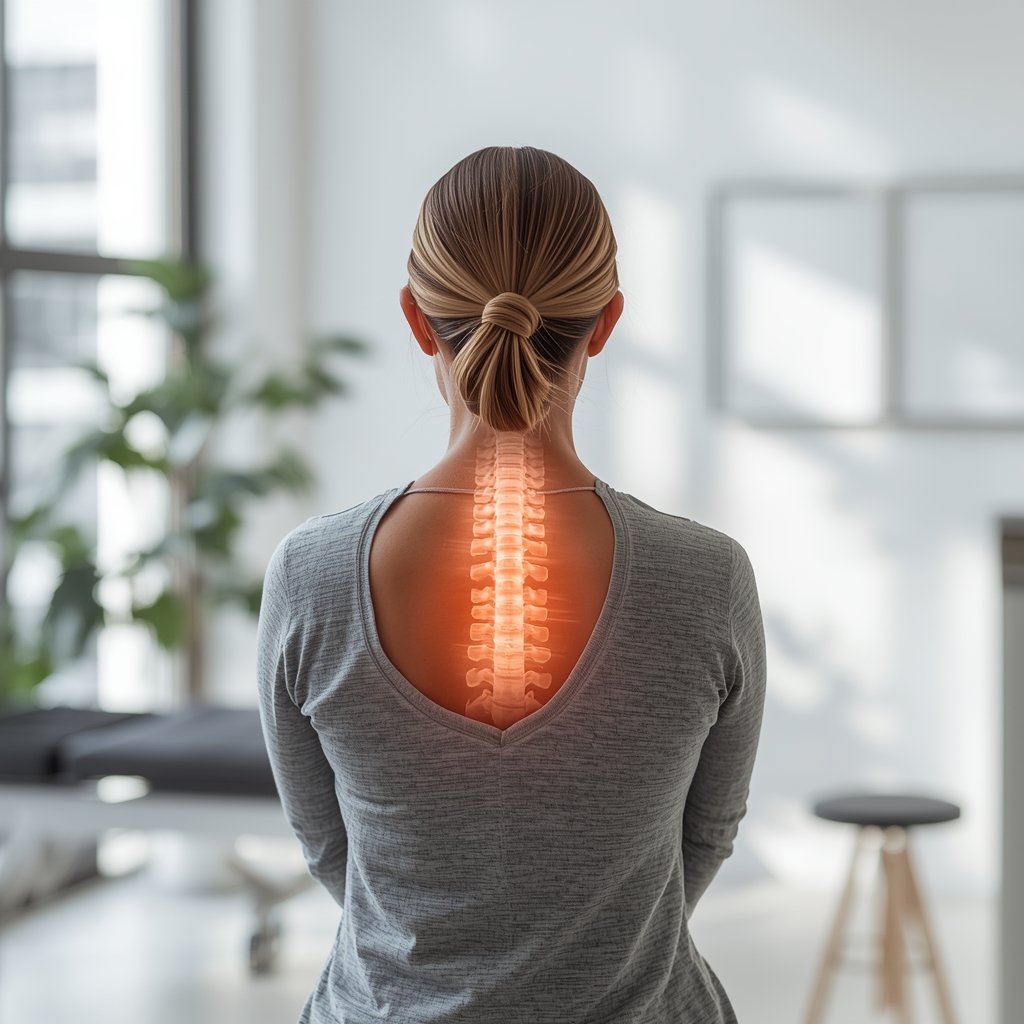
Understanding Cervical Spinal Stenosis
Cervical spinal stenosis occurs when the spinal canal in the neck narrows, compressing the spinal cord or nerves. This can lead to pain, numbness, or weakness in the arms, hands, or legs. Common causes include age-related degeneration, herniated discs, or thickened ligaments. Symptoms often develop gradually and may worsen over time. While severe cases may require surgery, many individuals find relief through non-invasive approaches. Lifestyle modifications and chiropractic care are frequently recommended to manage symptoms. Understanding the condition is the first step in exploring effective treatment options. Working with a healthcare provider ensures a personalized plan that addresses individual needs. Regular communication with a chiropractor can help monitor progress and adjust strategies as needed. This article explores how lifestyle changes and chiropractic interventions may support spinal health and alleviate discomfort.
Lifestyle Modifications to Support Spinal Health
Adopting certain lifestyle changes can help reduce pressure on the cervical spine and ease symptoms of stenosis. Maintaining good posture, especially during prolonged sitting or computer use, is crucial. Ergonomic adjustments to workspaces, such as proper chair height and monitor placement, can minimize strain. Regular, low-impact exercise like walking or swimming may improve circulation and strengthen supporting muscles. Avoiding repetitive neck movements or heavy lifting can prevent further irritation. Stress management techniques, including mindfulness or yoga, may also contribute to overall spinal wellness. A balanced diet rich in anti-inflammatory foods supports tissue health. While these modifications cannot reverse stenosis, they can complement other treatments and enhance quality of life. Consulting a chiropractor ensures these changes align with individual needs and condition severity.
Chiropractic Adjustments for Cervical Spinal Stenosis
Chiropractic adjustments aim to restore proper spinal alignment, potentially reducing nerve compression and improving mobility. For cervical stenosis, gentle manipulations focus on the neck region to alleviate pressure on the spinal cord or nerves. Techniques like spinal mobilization or soft-tissue therapy may help relax tight muscles and enhance range of motion. Chiropractors often use specialized tools or manual adjustments tailored to the patient’s comfort level. While not a cure, these interventions can provide symptom relief and support the body’s natural healing processes. Patients should discuss their medical history with their chiropractor to ensure safety, especially if there are pre-existing conditions. Regular sessions may be recommended to maintain progress. It is important to note that chiropractic care works best as part of a comprehensive treatment plan, not as a standalone solution.
Integrating Chiropractic Care with Other Treatments
Combining chiropractic care with other therapies often yields the best results for managing cervical stenosis. Physical therapy, for instance, can strengthen neck and shoulder muscles, providing additional support to the spine. Pain management strategies, such as heat therapy or non-prescription medications, may address acute discomfort. In some cases, acupuncture or massage therapy can complement adjustments by reducing muscle tension. Patients should communicate with their chiropractor about all ongoing treatments to avoid conflicts. A multidisciplinary approach allows for a more holistic strategy, addressing both structural and symptomatic aspects of the condition. Regular follow-ups help track progress and make necessary adjustments to the care plan. This collaborative effort ensures patients receive well-rounded support while minimizing risks associated with isolated treatments.
When to Consult a Chiropractor for Cervical Stenosis
If you experience persistent neck pain, tingling, or weakness in the arms or legs, consulting a chiropractor may be beneficial. These symptoms could indicate cervical stenosis or other spinal issues requiring professional evaluation. A chiropractor can perform a thorough assessment, including a medical history review and physical examination, to determine the underlying cause. They may recommend diagnostic imaging if necessary to confirm the diagnosis. Early intervention can prevent symptom progression and improve outcomes. It is also important to seek care if you have a history of neck injuries or degenerative conditions. Chiropractors work alongside other healthcare providers to ensure safe, coordinated care. Patients should avoid self-diagnosis and instead rely on qualified professionals to guide their treatment decisions. Regular check-ups can help monitor changes and adjust care plans as needed.
Conclusion: A Holistic Approach to Cervical Spinal Stenosis
Managing cervical spinal stenosis often requires a multifaceted approach that combines lifestyle adjustments, chiropractic care, and other treatments. While no single method can guarantee complete relief, many individuals find significant improvement through these strategies. Lifestyle changes like posture correction and exercise support long-term spinal health, while chiropractic adjustments may offer targeted symptom relief. Integrating these efforts with other therapies ensures a comprehensive plan tailored to individual needs. Patients should maintain open communication with their healthcare providers to track progress and make informed decisions. By prioritizing proactive care and regular follow-ups, individuals can better manage their condition and enhance their quality of life. Always consult a qualified chiropractor or physician before starting any new treatment regimen.













