
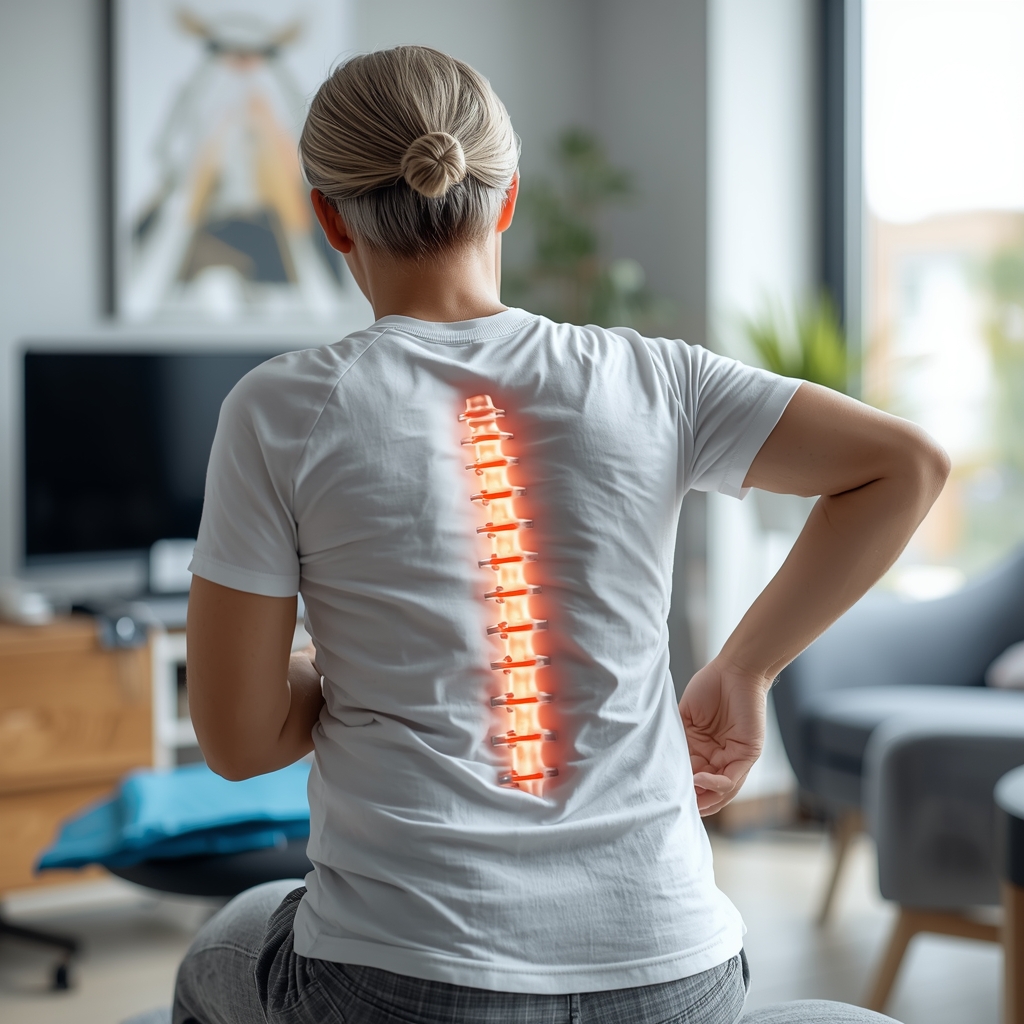
Understanding Spinal Stenosis in the Elderly
Spinal stenosis, a narrowing of the spinal canal, often affects older adults due to age-related changes like bone spurs or disc degeneration. This condition can compress nerves, causing pain, numbness, or weakness in the back, legs, or arms. Elderly patients may face unique challenges, such as reduced bone density or comorbidities, which require careful management. Chiropractic care offers a non-invasive approach to alleviate symptoms while prioritizing safety. By focusing on gentle interventions, chiropractors aim to improve mobility and reduce discomfort without relying on medication or surgery. Understanding the specific needs of older adults is critical to tailoring effective, individualized treatment plans.
Gentle Adjustment Techniques for Older Adults
Chiropractors working with elderly patients often use modified adjustment techniques to minimize risk. Instead of traditional high-velocity thrusts, they may opt for low-force methods like diversified or activator adjustments. These approaches reduce strain on fragile bones and joints while addressing misalignments. For example, the activator method uses a handheld instrument to apply controlled pressure, making it suitable for patients with osteoporosis or arthritis. Additionally, soft tissue therapies, such as myofascial release, can ease muscle tension around the spine. By prioritizing gentleness, chiropractors help maintain spinal stability while promoting comfort and functional improvement in older adults.
Patient-Centered Care for Spinal Stenosis
Effective chiropractic care for spinal stenosis in elderly patients begins with a thorough assessment of their medical history, mobility, and overall health. Chiropractors collaborate with patients to set realistic goals, such as reducing pain or improving daily activities. Treatment plans often include regular monitoring to ensure adjustments remain safe and effective over time. For instance, a patient with severe stenosis may benefit from a combination of spinal decompression and posture correction. Open communication is vital, allowing patients to voice concerns or report changes in symptoms. This personalized approach ensures care aligns with each individual’s needs, fostering trust and long-term adherence to treatment.
Safety Considerations for Elderly Patients
Safety is paramount when treating spinal stenosis in older adults. Chiropractors conduct detailed evaluations to identify risk factors, such as osteoporosis or previous spinal surgeries, which may influence treatment choices. They avoid high-impact techniques and instead focus on low-force methods that minimize the risk of injury. For example, drop-table adjustments or flexion-distraction therapy can gently relieve pressure on compressed nerves. Patients are also educated on proper body mechanics to prevent further strain. Regular follow-ups help track progress and adjust strategies as needed. By emphasizing caution and individualized care, chiropractors aim to deliver effective relief while safeguarding the health of elderly patients.
Complementary Therapies and Multidisciplinary Approaches
Chiropractic care for spinal stenosis often integrates complementary therapies to enhance outcomes. Modalities like cold laser therapy or ultrasound may reduce inflammation, while exercises tailored to spinal stability can improve strength and flexibility. Chiropractors may also recommend ergonomic adjustments for daily activities, such as seating or lifting techniques. Collaboration with other healthcare providers, including physical therapists or primary care physicians, ensures a holistic approach. For instance, a patient might receive chiropractic adjustments alongside prescribed physical therapy exercises. This teamwork allows for a more comprehensive management plan, addressing both structural and functional aspects of spinal stenosis in elderly individuals.
Conclusion: Balancing Safety and Effectiveness
Chiropractic care offers valuable support for elderly patients with spinal stenosis by focusing on gentle, personalized interventions. Techniques like low-force adjustments and soft tissue work help manage symptoms while prioritizing safety. However, the effectiveness of care depends on thorough evaluation, patient communication, and collaboration with other healthcare professionals. Each treatment plan should be tailored to the individual’s unique health profile and goals. While chiropractic care can provide relief, it is essential to consult with a qualified provider to determine the best approach. By combining expertise with a patient-centered mindset, chiropractors can help older adults maintain mobility and quality of life.













