
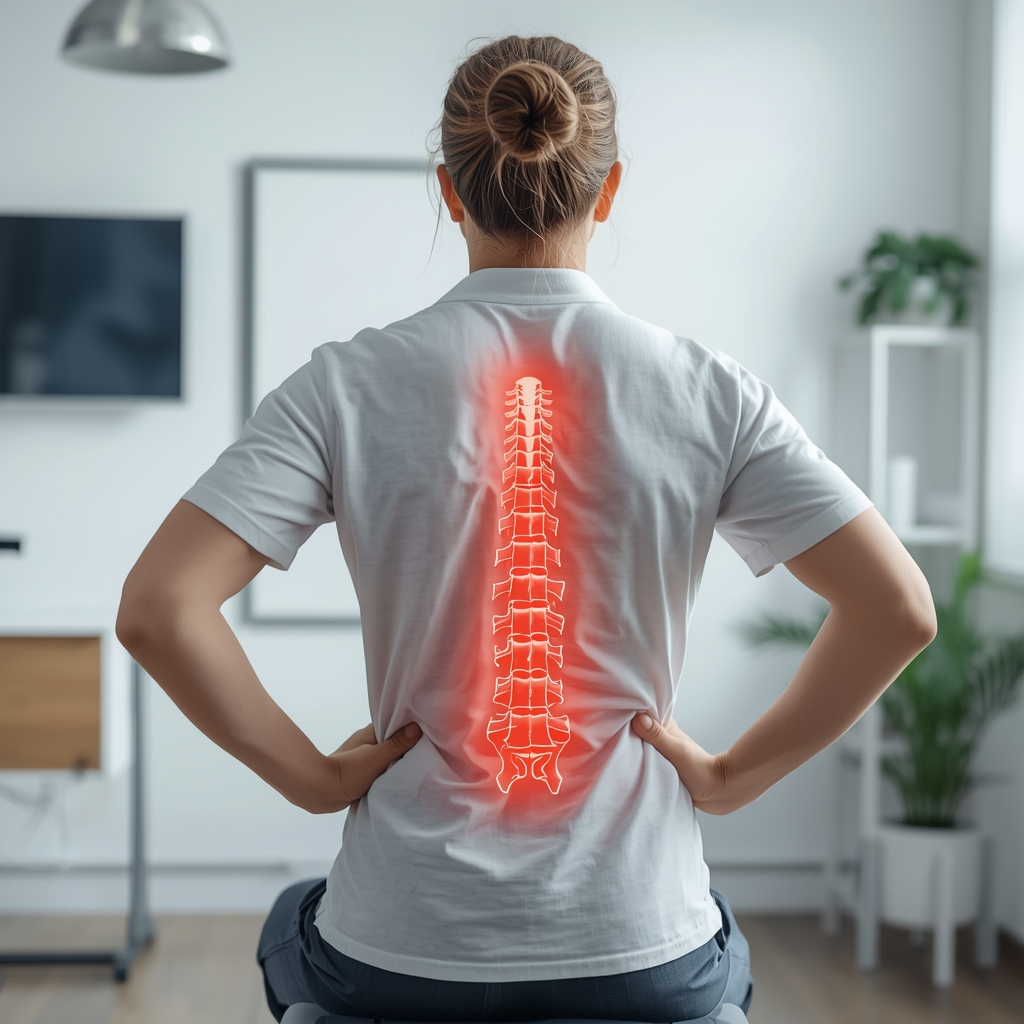
Understanding Lumbar Spinal Stenosis and Surgical Options
Lumbar spinal stenosis occurs when the spinal canal in the lower back narrows, compressing nerves and causing pain, numbness, or weakness in the legs. While surgery is often considered for severe cases, it carries risks like infection, nerve damage, and prolonged recovery. Many patients seek alternatives to avoid these outcomes. Non-surgical approaches, including chiropractic care, focus on reducing pressure on nerves and improving mobility through targeted rehabilitation. This method prioritizes conservative treatment, addressing the root causes of discomfort rather than merely managing symptoms. By exploring these options, patients can make informed decisions about their care, balancing potential benefits with risks.
How Chiropractic Care Addresses Spinal Stenosis
Chiropractic care for lumbar spinal stenosis involves manual adjustments, soft tissue therapy, and rehabilitative exercises designed to alleviate nerve compression and restore spinal function. Spinal adjustments aim to realign the vertebrae, reducing pressure on affected nerves and improving overall mobility. Soft tissue techniques, such as myofascial release, can ease muscle tension that exacerbates symptoms. Additionally, rehabilitative exercises strengthen core muscles, enhancing spinal stability. These interventions work together to create a supportive environment for healing, often leading to reduced pain and improved quality of life. Chiropractors tailor these approaches to each patient’s needs, ensuring a personalized and non-invasive path to recovery.
Targeted Rehabilitation Techniques for Nerve Relief
Targeted rehabilitation in chiropractic care includes specific exercises and manual therapies to decompress nerves and enhance flexibility. Spinal decompression therapy, for instance, gently stretches the spine to relieve pressure on nerves, while mobilization techniques improve joint mobility. Patients may also engage in corrective exercises that strengthen the muscles supporting the lower back, reducing strain on the spinal column. These strategies are often combined with ergonomic adjustments to daily activities, minimizing further stress on the spine. By focusing on both structural and functional improvements, rehabilitation helps patients manage symptoms without resorting to surgery. Consistent participation in these programs can lead to long-term relief and greater independence.
Comparing Non-Surgical and Surgical Approaches
Non-surgical chiropractic care offers a less invasive alternative to surgery for lumbar spinal stenosis, with fewer risks and shorter recovery times. While surgery may provide rapid symptom relief, it involves significant downtime and potential complications. Chiropractic interventions, on the other hand, emphasize gradual improvement through natural, holistic methods. Patients often report fewer side effects and a more sustainable path to wellness. However, the effectiveness of non-surgical options can vary based on the severity of the condition. A chiropractor can assess individual cases and recommend the most appropriate strategy, ensuring patients weigh all factors before deciding on a treatment plan.
The Role of Patient Engagement and Consistency
Successful outcomes with chiropractic care depend heavily on patient engagement and adherence to prescribed rehabilitation protocols. Regular visits, consistent exercise routines, and lifestyle modifications are crucial for long-term relief. Patients who actively participate in their care often experience better results than those who rely solely on passive treatments. Chiropractors guide patients in developing personalized plans that align with their goals and lifestyles. This collaborative approach empowers individuals to take control of their health while minimizing the need for more aggressive interventions. Open communication with healthcare providers ensures adjustments to the plan as needed, maximizing effectiveness and safety.
Consulting a Chiropractor for Informed Decisions
Patients considering chiropractic care for lumbar spinal stenosis should consult a qualified chiropractor to explore their options. A thorough evaluation helps determine the suitability of non-surgical approaches and identifies any contraindications. Chiropractors collaborate with other healthcare professionals to ensure comprehensive care, avoiding conflicts with existing treatments. By discussing potential benefits and limitations, patients can make informed decisions that align with their health priorities. Chiropractic care offers a viable alternative to surgery for many, but individual circumstances vary. Engaging with a trusted provider ensures access to expert guidance and tailored solutions for managing spinal stenosis effectively.














