
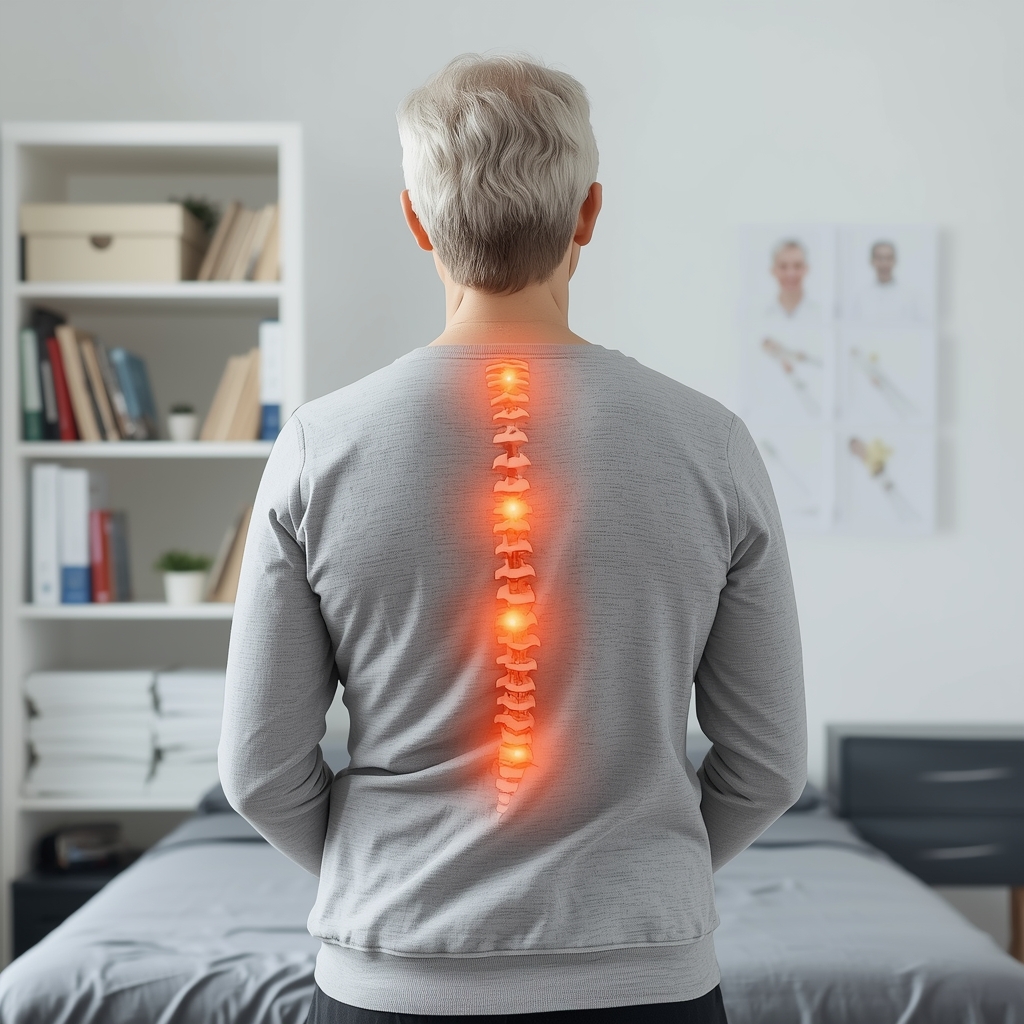
Understanding Degenerative Scoliosis in Older Adults
Adult degenerative scoliosis occurs when the spine develops an abnormal sideways curve due to age-related wear and tear on spinal discs and joints. This condition often affects individuals over 50, causing pain, reduced mobility, and postural changes. Unlike adolescent scoliosis, which develops during growth spurts, degenerative scoliosis progresses gradually as the spine’s structures weaken. Common symptoms include lower back pain, leg discomfort, and difficulty standing or walking for extended periods. While not always severe, it can significantly impact quality of life. Chiropractic care offers non-invasive options to manage symptoms and improve spinal function, making it a valuable consideration for older adults seeking conservative treatment.
How Chiropractic Care Addresses Spinal Imbalances
Chiropractic care focuses on restoring proper spinal alignment and function, which can alleviate discomfort caused by degenerative scoliosis. Through gentle adjustments, chiropractors aim to reduce pressure on nerves and improve joint mobility, potentially easing pain and stiffness. For older adults, techniques are often modified to prioritize safety and comfort, avoiding high-velocity manipulations. By addressing misalignments in the spine, chiropractors may help slow the progression of the curve and enhance overall stability. This approach complements other therapies, offering a holistic way to manage symptoms without medication or surgery. Regular visits can also help monitor changes in spinal health over time, ensuring interventions remain tailored to the individual’s needs.
Non-Invasive Techniques for Symptom Relief
Chiropractors use a variety of non-invasive methods to manage degenerative scoliosis, including spinal adjustments, soft tissue therapy, and therapeutic exercises. Spinal adjustments are tailored to the patient’s condition, focusing on areas of restriction to improve flexibility and reduce pain. Soft tissue techniques, such as myofascial release, can ease muscle tension that exacerbates discomfort. Additionally, corrective exercises may be recommended to strengthen core muscles and support spinal stability. These approaches work together to enhance mobility and reduce the strain on the spine. For older adults, the emphasis is on gentle, low-impact interventions that minimize risk while maximizing comfort. By addressing both structural and muscular components, chiropractic care provides a comprehensive strategy for managing symptoms.
Improving Mobility and Quality of Life
Managing degenerative scoliosis through chiropractic care can lead to meaningful improvements in daily functioning. By reducing pain and stiffness, patients often experience greater ease in performing routine activities, such as walking, bending, or sitting. Improved spinal alignment may also enhance posture, which can alleviate pressure on the nervous system and surrounding tissues. Some individuals report increased energy levels and better sleep as a result of reduced discomfort. Chiropractic care also emphasizes patient education, empowering older adults to make lifestyle choices that support spinal health. These benefits contribute to a more active, independent lifestyle, helping patients maintain their autonomy as they age. Regular care can also prevent secondary complications, such as muscle atrophy or further spinal deterioration.
Safety Considerations for Older Adults
When considering chiropractic care for degenerative scoliosis, safety is a top priority, especially for older adults with preexisting conditions. Chiropractors evaluate each patient’s medical history to ensure treatments are appropriate and avoid risks like excessive force or improper positioning. For individuals with osteoporosis or other bone-related issues, adjustments are modified to be gentler and more precise. Open communication between the patient and provider is essential to address concerns and tailor care plans. While chiropractic care is generally safe, it’s important to consult with a qualified professional who has experience treating older adults. This ensures that interventions are both effective and aligned with the patient’s overall health goals and limitations.
Collaborating with Healthcare Providers
Chiropractic care for degenerative scoliosis works best when integrated with other healthcare approaches. Patients should inform their chiropractor about any existing medical conditions, medications, or treatments to ensure a coordinated plan. Collaboration with primary care physicians, physical therapists, or specialists may be necessary to address complex cases. This multidisciplinary approach allows for comprehensive symptom management and monitoring. For older adults, maintaining open dialogue with all healthcare providers helps avoid conflicts and ensures care remains safe and effective. Chiropractic treatment can complement traditional medical care, offering a non-invasive option to enhance comfort and mobility. Ultimately, working with a qualified chiropractor provides a valuable resource for managing degenerative scoliosis in a personalized, patient-centered way.














