
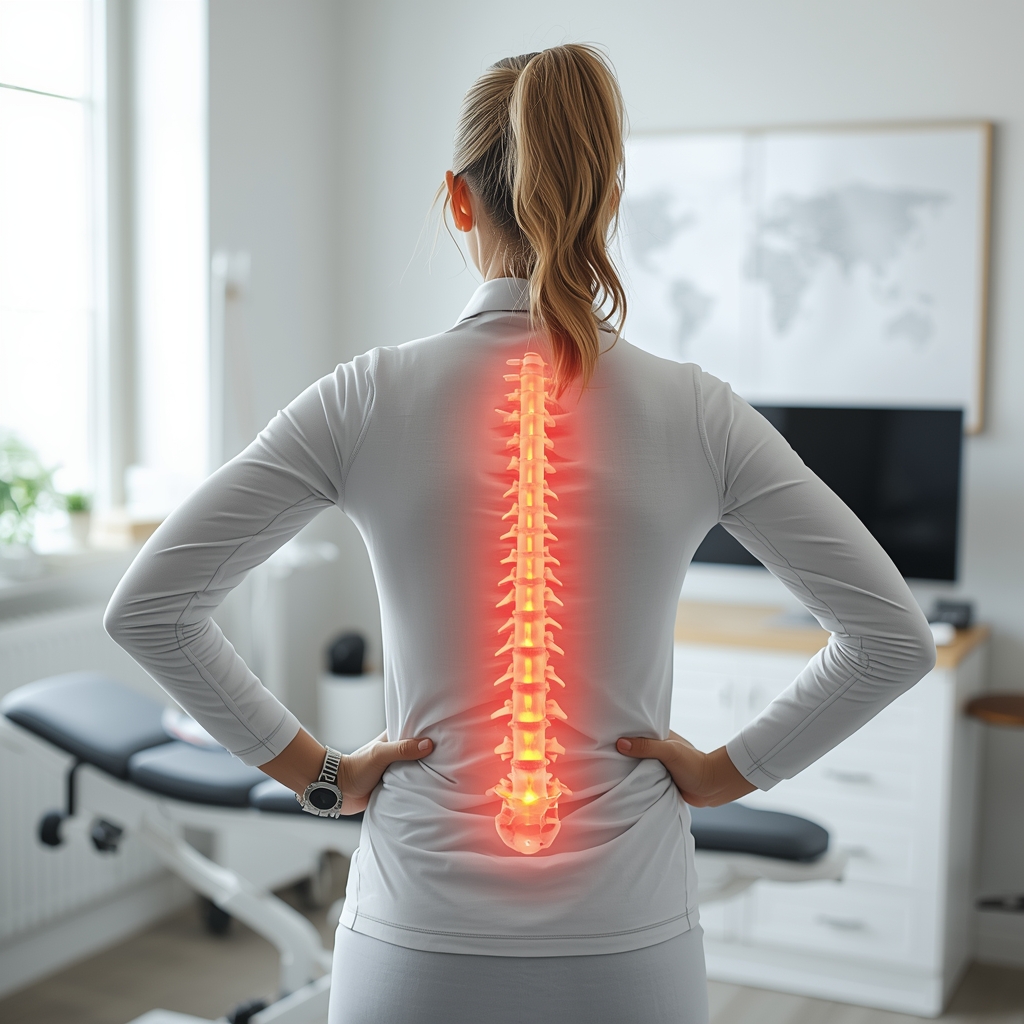
Understanding Adult Scoliosis and Degenerative Disc Disease
Adult scoliosis, characterized by an abnormal spinal curve, often coexists with degenerative disc disease, a condition where spinal discs lose hydration and elasticity over time. This combination can lead to chronic pain, reduced mobility, and nerve compression. While adolescent scoliosis is often managed with bracing, adult cases require different strategies due to spinal rigidity and age-related changes. Degenerative disc disease exacerbates discomfort by narrowing spinal spaces and irritating nerves. Understanding these conditions is critical for developing tailored care plans that address both structural and functional challenges.
How Chiropractic Care Addresses Spinal Alignment
Chiropractic care focuses on restoring proper spinal alignment, which may alleviate pressure on nerves and discs. Through manual adjustments, chiropractors aim to reduce misalignments (subluxations) that contribute to pain and dysfunction. For adults with scoliosis and degenerative disc disease, these adjustments may help improve posture and distribute stress more evenly across the spine. However, treatment plans are highly individualized, as severe scoliosis or advanced degeneration may limit the effectiveness of traditional adjustments. Chiropractors often combine techniques to address both curvature and disc health without causing additional strain.
Pain Management and Symptom Relief
Chiropractic care offers non-invasive options for managing pain associated with scoliosis and degenerative disc disease. Techniques like spinal manipulation, soft tissue therapy, and traction may reduce inflammation and muscle tension, providing relief from chronic discomfort. By improving joint mobility and nerve function, these approaches can enhance overall quality of life. Patients often report decreased reliance on pain medications after consistent chiropractic care. However, results vary, and it’s essential to work with a qualified provider to ensure treatments are safe and appropriate for individual conditions.
Improving Mobility and Function
Adults with scoliosis and degenerative disc disease frequently experience limited mobility due to pain and structural changes. Chiropractic interventions, such as corrective exercises and joint mobilization, can help maintain or restore range of motion. These strategies may also strengthen supporting muscles, reducing the risk of further spinal deterioration. While chiropractic care cannot reverse existing curvature, it can enhance functional independence by addressing compensatory movement patterns. Patients are often encouraged to engage in low-impact activities to complement their care and promote long-term spinal health.
Complementary Therapies and Holistic Approaches
Chiropractors often integrate complementary therapies to address the multifaceted nature of scoliosis and degenerative disc disease. Modalities like cold laser therapy, electrical stimulation, and hydrotherapy may reduce inflammation and accelerate healing. Nutritional guidance and stress management techniques are also common, as they support overall musculoskeletal health. These holistic approaches aim to create a balanced treatment plan that addresses both physical and emotional well-being. Patients should discuss these options with their chiropractor to determine which methods align with their specific needs and goals.
When to Seek Professional Guidance
While chiropractic care can be beneficial, it’s crucial to consult a licensed professional for proper evaluation and treatment. A chiropractor will assess the severity of scoliosis, the extent of disc degeneration, and any underlying conditions before recommending interventions. Certain cases may require collaboration with other healthcare providers, such as orthopedic specialists or physical therapists. Patients should also communicate any changes in symptoms or treatment effectiveness to ensure their care remains safe and effective. Regular follow-ups help monitor progress and adjust strategies as needed for optimal outcomes.













