
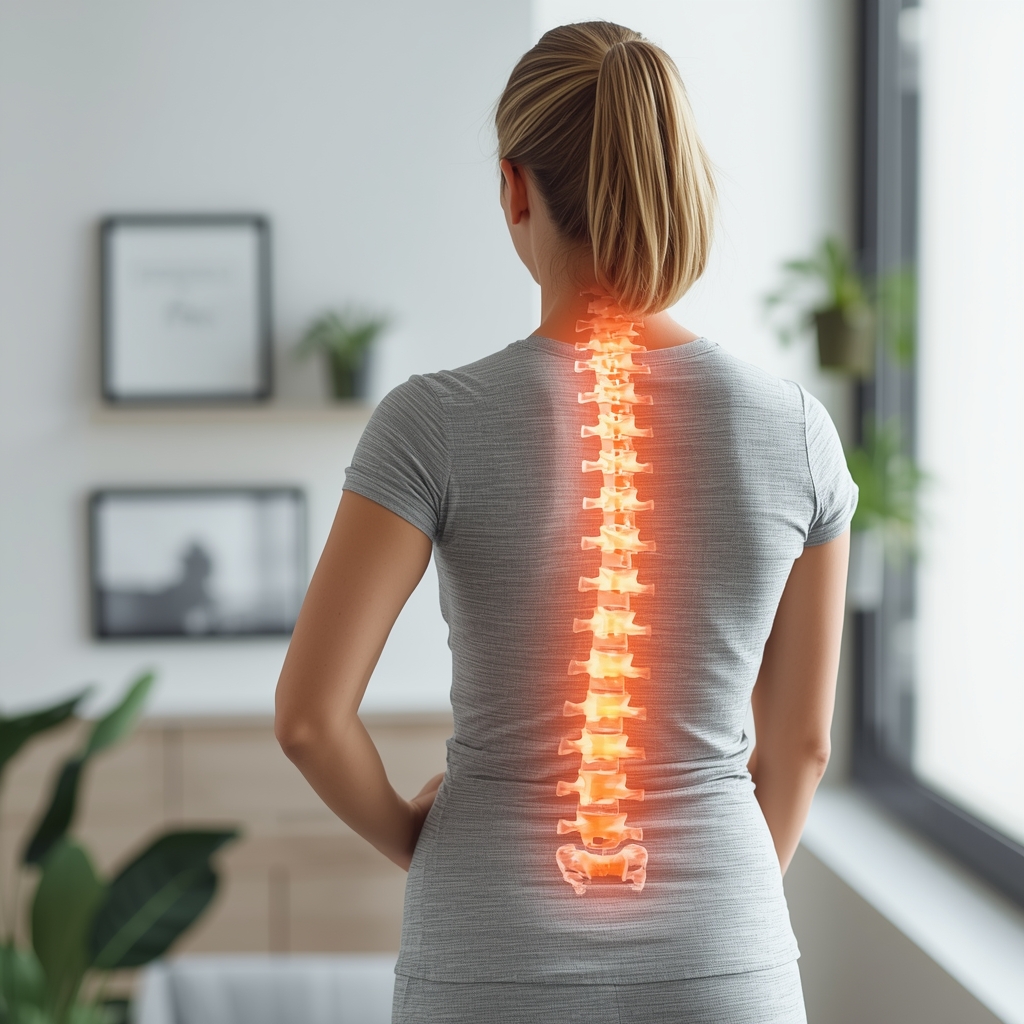
Understanding Degenerative Scoliosis and Its Impact on Adults
Degenerative scoliosis, also known as adult-onset scoliosis, occurs when the spine develops an abnormal curvature later in life, often due to wear and tear on the spinal discs and joints. This condition can lead to chronic pain, reduced mobility, and postural changes, significantly affecting daily activities. Unlike adolescent scoliosis, which is often structural, degenerative scoliosis typically involves the lower spine and may be linked to conditions like osteoarthritis or spinal stenosis. While conservative treatments like physical therapy and medication are common, many adults seek chiropractic care as a complementary approach to manage symptoms and improve quality of life. Chiropractic interventions focus on addressing spinal misalignments and supporting the body’s natural healing processes.
Spinal Adjustments to Alleviate Pain and Improve Alignment
Chiropractic adjustments, or spinal manipulations, are a cornerstone of care for adults with degenerative scoliosis. These techniques aim to correct vertebral subluxations—misalignments that may contribute to pain and restricted movement. By gently realigning the spine, chiropractors can reduce pressure on nerves, improve joint function, and enhance overall mobility. For degenerative scoliosis, adjustments may target specific areas of the spine affected by curvature, such as the thoracic or lumbar regions. While adjustments alone may not reverse the curvature, they can help alleviate associated discomfort and support better posture. Many patients report reduced pain and increased flexibility after consistent chiropractic care, though outcomes vary based on individual conditions and treatment plans.
Soft Tissue Therapy for Muscle Imbalances and Tension
Adults with degenerative scoliosis often experience muscle imbalances and tension due to the spine’s abnormal curvature. Chiropractors may incorporate soft tissue therapies, such as myofascial release or trigger point therapy, to address these issues. These techniques help relax tight muscles, improve blood flow, and reduce pain caused by compensatory postures. For example, overactive muscles on one side of the spine may lead to discomfort, while underactive muscles on the opposite side may weaken. By targeting these imbalances, chiropractors can enhance the effectiveness of spinal adjustments and promote more balanced movement. Soft tissue work is often used in conjunction with other therapies to create a holistic approach to pain management and mobility improvement.
Posture Correction and Mobility Enhancement Strategies
Correcting posture and improving mobility are critical goals for adults with degenerative scoliosis. Chiropractors may recommend specific exercises and ergonomic adjustments to support better alignment and reduce strain on the spine. For instance, strengthening core muscles can stabilize the lower back, while stretching tight muscles may alleviate pressure on the spine. Additionally, chiropractors might use techniques like proprioceptive neuromuscular facilitation (PNF) to enhance flexibility and coordination. These strategies, combined with regular adjustments, can help patients maintain or regain functional mobility. Over time, improved posture may also reduce the risk of secondary complications, such as joint pain or fatigue, allowing individuals to perform daily tasks with greater ease.
Complementary Therapies to Support Chiropractic Care
Chiropractic care for degenerative scoliosis is often enhanced by integrating complementary therapies. Modalities like cold laser therapy, ultrasound, or electrical stimulation may be used to reduce inflammation and promote tissue healing. These treatments can complement spinal adjustments by addressing pain and stiffness in targeted areas. Additionally, chiropractors may collaborate with physical therapists to design personalized rehabilitation programs that include stretching and strengthening exercises. Nutritional guidance or stress management techniques might also be recommended to support overall well-being. While these therapies are not standalone solutions, they can work synergistically with chiropractic care to provide more comprehensive relief and long-term benefits for patients managing degenerative scoliosis.
When to Seek Chiropractic Care and What to Expect
Adults experiencing symptoms of degenerative scoliosis—such as persistent back pain, numbness, or difficulty walking—should consult a qualified chiropractor for an evaluation. During the initial visit, the chiropractor will review the patient’s medical history, perform a physical examination, and may recommend imaging studies to assess the spine’s condition. Treatment plans are tailored to the individual’s needs, often combining adjustments, soft tissue work, and lifestyle modifications. It’s important to note that chiropractic care is not a substitute for medical treatment, and patients should maintain communication with their primary healthcare provider. Consistent follow-up visits allow chiropractors to monitor progress and adjust strategies as needed, helping patients achieve optimal pain management and mobility outcomes.














