
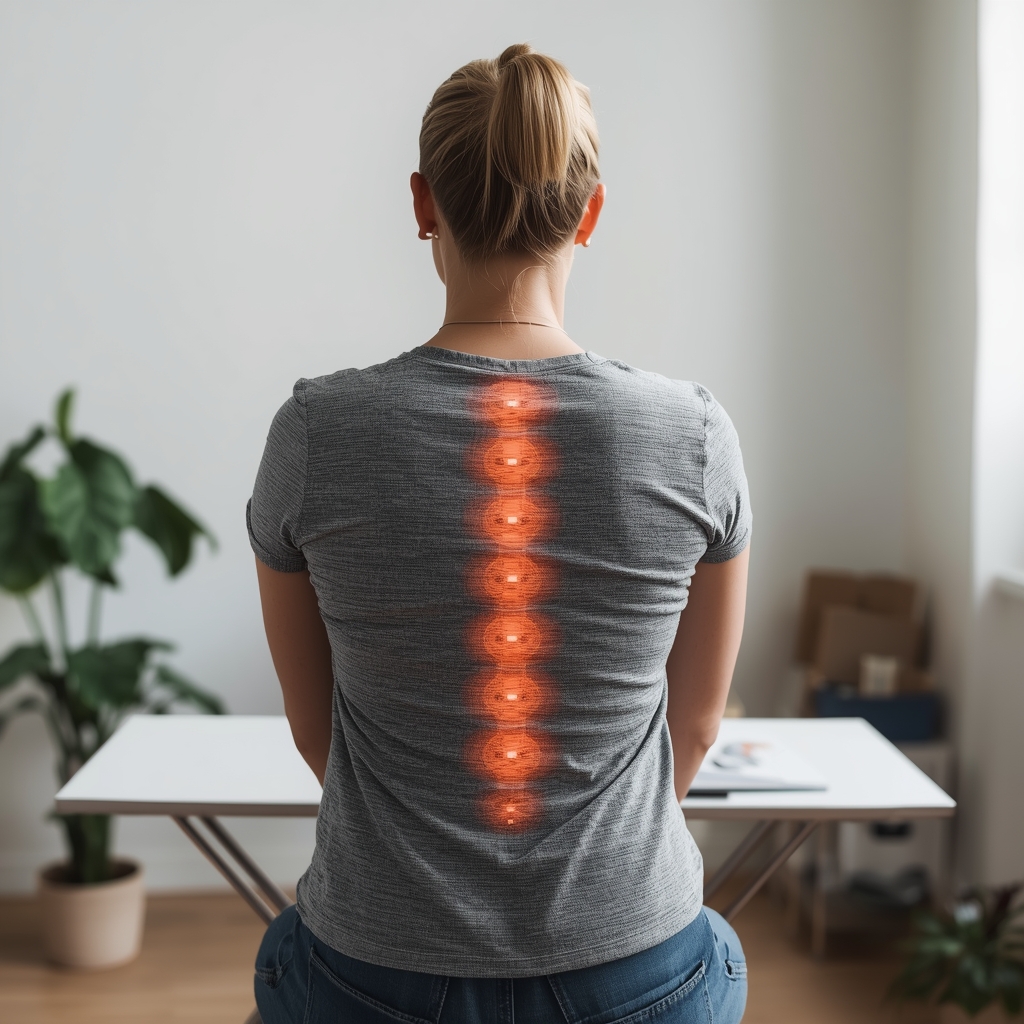
Understanding Adult Degenerative Scoliosis and Its Challenges
Adult degenerative scoliosis refers to an abnormal sideways curvature of the spine that develops or worsens in adulthood, often due to age-related wear and tear on spinal structures. This condition can lead to chronic pain, reduced mobility, and postural imbalances, affecting daily activities and quality of life. Unlike adolescent scoliosis, which often requires early intervention, adult degenerative scoliosis may present with more complex symptoms, including nerve compression or spinal stenosis. While conservative treatments like physical therapy and medication are common, chiropractic care offers a non-invasive approach to managing these challenges. By focusing on spinal alignment and musculoskeletal function, chiropractors aim to alleviate discomfort and improve overall spinal health in affected adults.
Chiropractic Adjustments for Pain Relief
Spinal adjustments are a cornerstone of chiropractic care, involving manual manipulations to restore proper alignment and function to the spine. For adults with degenerative scoliosis, these adjustments can help reduce pain by alleviating pressure on nerves and improving joint mobility. While not a cure, regular chiropractic sessions may decrease inflammation and enhance the body’s natural healing processes. Techniques such as diversified adjustments or flexion-distraction therapy are commonly used to address spinal irregularities without invasive procedures. Many patients report improved comfort and reduced reliance on pain medications after consistent care. However, outcomes vary, and a chiropractor will tailor treatments to the individual’s condition, ensuring safety and effectiveness.
Addressing Postural Imbalances
Postural imbalances are a hallmark of degenerative scoliosis, often causing uneven weight distribution, muscle strain, and increased risk of falls. Chiropractic care focuses on correcting these imbalances through targeted adjustments and rehabilitative exercises. By realigning the spine and improving musculoskeletal symmetry, chiropractors help patients achieve better posture and reduce compensatory strain on other body parts. Techniques like soft tissue therapy and corrective exercises may also strengthen weakened muscles and improve flexibility. Over time, these interventions can enhance stability and reduce the progression of spinal curvature. Patients are often encouraged to adopt ergonomic practices and maintain regular follow-ups to sustain long-term postural improvements.
Non-Invasive Approaches to Spinal Health
Chiropractic care emphasizes non-invasive strategies to manage degenerative scoliosis, avoiding the risks associated with surgery or long-term medication use. In addition to adjustments, practitioners may incorporate modalities like heat therapy, electrical stimulation, or ultrasound to ease muscle tension and promote healing. These complementary therapies work alongside spinal manipulations to address both structural and soft tissue components of the condition. For example, cold laser therapy may reduce inflammation, while massage therapy can relieve muscle spasms. By combining multiple techniques, chiropractors create a holistic plan to support spinal function and minimize discomfort. Patients are encouraged to engage in regular movement and maintain open communication with their provider to optimize results.
Personalized Care Plans for Individual Needs
Every adult with degenerative scoliosis experiences unique symptoms and progression patterns, necessitating customized care plans. Chiropractors conduct thorough evaluations to assess spinal alignment, range of motion, and overall health before designing a treatment strategy. This may involve periodic adjustments, progressive rehabilitative exercises, and lifestyle recommendations to support spinal stability. For instance, a patient with significant curvature may benefit from more frequent sessions, while another with mild symptoms might focus on preventive maintenance. The goal is to address both immediate discomfort and long-term spinal health. Regular reevaluations ensure the plan adapts to changing needs, fostering sustainable improvements in mobility and comfort.
Complementary Therapies and Holistic Support
Chiropractic care often integrates complementary therapies to enhance its effectiveness in managing degenerative scoliosis. Techniques such as acupuncture, dry needling, or kinesio taping may be used to relieve pain and improve muscle function. Additionally, nutritional guidance and stress management strategies can support overall well-being, as factors like diet and mental health influence musculoskeletal health. Patients are encouraged to adopt habits that reduce spinal strain, such as proper lifting techniques or ergonomic workspace setups. While these approaches are not substitutes for professional care, they can amplify the benefits of chiropractic interventions. Collaboration with other healthcare providers ensures a comprehensive, patient-centered approach to managing this condition.













