
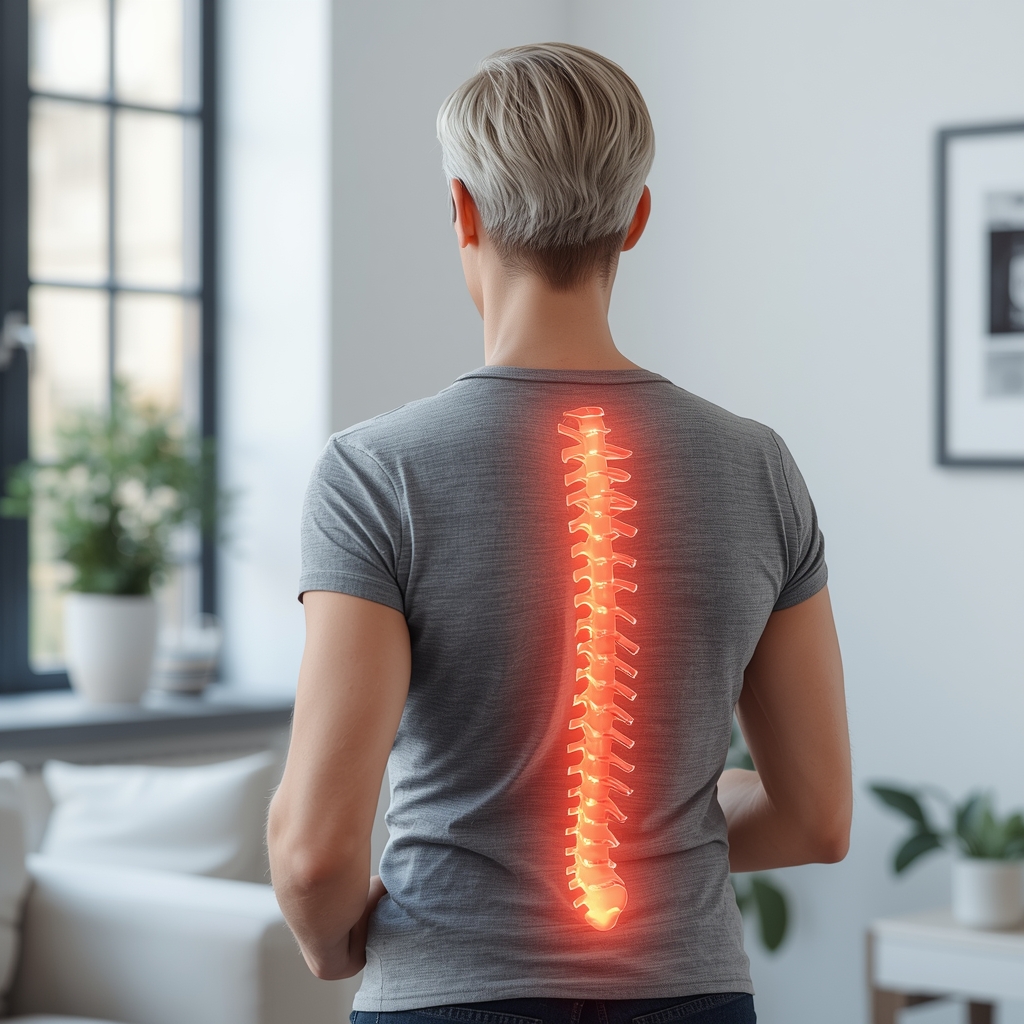
Understanding Degenerative Scoliosis in Adults
Adult degenerative scoliosis refers to the abnormal sideways curvature of the spine that develops later in life, often due to age-related wear and tear on spinal discs and joints. Unlike adolescent scoliosis, which is typically congenital, this condition can cause chronic pain, reduced mobility, and postural changes. While surgery is an option for severe cases, many adults seek non-invasive alternatives like chiropractic care to manage symptoms. Chiropractic approaches focus on improving spinal alignment, reducing nerve pressure, and enhancing overall function. This article explores how these methods can help adults find relief and maintain an active lifestyle without surgical intervention.
Spinal Adjustments for Symptom Relief
Chiropractic adjustments involve manual techniques to realign the spine, which may alleviate pain caused by misalignments or nerve compression. For adults with degenerative scoliosis, these adjustments can help reduce pressure on spinal nerves, potentially easing discomfort and improving mobility. By restoring proper joint function, chiropractors aim to enhance the body’s natural healing processes. However, it’s important to note that results vary, and adjustments are typically part of a broader treatment plan. Patients should work with a licensed chiropractor to determine if this approach suits their specific condition and goals.
Soft Tissue Therapies and Muscle Balance
Chiropractic care often incorporates soft tissue therapies to address muscle imbalances and tension that can worsen scoliosis-related symptoms. Techniques like myofascial release or trigger point therapy may relieve tightness in spinal muscles, reducing pain and improving flexibility. These methods complement spinal adjustments by promoting better posture and movement patterns. While not a standalone solution, soft tissue work can enhance the effectiveness of other chiropractic interventions. As with all treatments, outcomes depend on individual factors, and a chiropractor can tailor these approaches to each patient’s needs.
Rehabilitation Exercises for Spinal Stability
Chiropractors frequently recommend corrective exercises to strengthen core muscles and improve spinal stability, which can help manage degenerative scoliosis. These exercises aim to support the spine, reduce strain on affected areas, and enhance overall mobility. Activities like yoga, Pilates, or targeted resistance training may be suggested, but a chiropractor can customize a program based on the patient’s condition. Regular engagement in these exercises, combined with professional guidance, may lead to long-term improvements. However, it’s crucial to avoid overexertion and follow a plan designed by a qualified healthcare provider.
Non-Surgical Pain Management Strategies
Chiropractic care offers various non-surgical pain management options for adults with degenerative scoliosis, such as cold laser therapy, electrical stimulation, or ultrasound. These modalities can reduce inflammation, ease muscle spasms, and promote healing without the risks associated with surgery. Chiropractors may also use ergonomic advice or posture correction to minimize discomfort during daily activities. While these methods can provide relief, they are most effective when integrated with other treatments. Patients should discuss their options with a chiropractor to create a comprehensive, personalized plan.
When to Consider Surgical Options
While chiropractic care can effectively manage many symptoms of degenerative scoliosis, surgery may be necessary for severe cases involving significant nerve compression, instability, or progressive curvature. A chiropractor can help patients understand their options and refer them to specialists if needed. It’s essential to weigh the risks and benefits of surgery against non-invasive approaches. For most adults, chiropractic interventions provide a safer, less invasive path to pain relief and improved function. However, decisions should always be made in consultation with a qualified healthcare provider to ensure the best outcome.













