
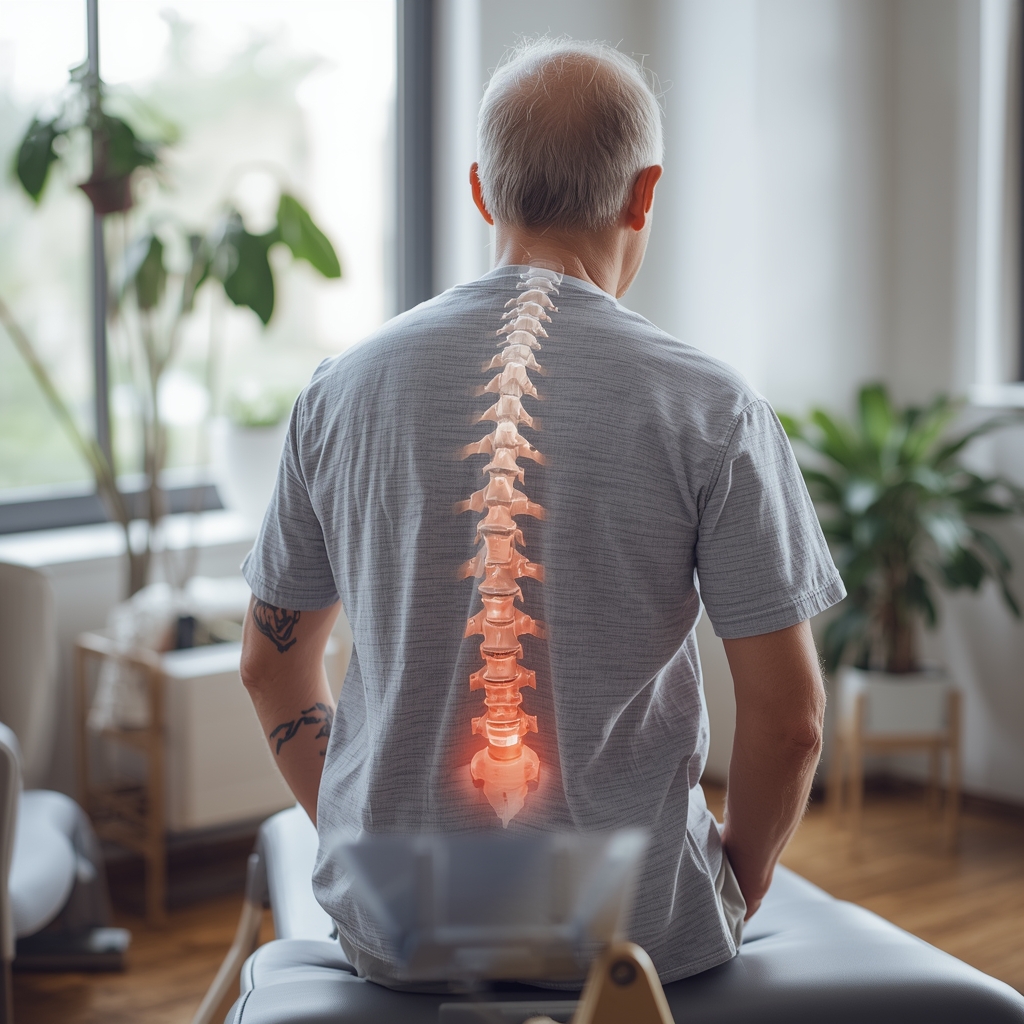
Understanding Spinal Stenosis and Non-Surgical Options
Spinal stenosis, a condition where the spinal canal narrows, often affects older adults and can cause pain, numbness, or weakness in the legs or arms. While surgery is a common recommendation, many patients seek non-surgical alternatives to manage symptoms. Chiropractic care has emerged as a potential option, focusing on spinal alignment and nerve function. This approach aims to reduce pressure on nerves and improve mobility without invasive procedures. For older adults, non-surgical interventions are particularly appealing due to lower risks and recovery times. However, the effectiveness of chiropractic care for spinal stenosis requires careful evaluation. Understanding the evidence behind these treatments helps patients make informed decisions about their care. By exploring research and clinical outcomes, individuals can assess whether chiropractic methods might suit their needs.
The Evidence Base for Chiropractic Care
While research on chiropractic care for spinal stenosis is still evolving, existing studies suggest it may offer symptom relief for some patients. Clinical observations and patient reports often highlight improvements in mobility and reduced pain following adjustments. Chiropractors use techniques like spinal manipulation and soft tissue therapy to address misalignments that could contribute to nerve compression. Although large-scale, randomized controlled trials are limited, many practitioners and patients report positive outcomes. It’s important to note that evidence varies by individual case, and results are not guaranteed. Some studies indicate that combining chiropractic care with exercise or physical therapy may enhance benefits. Despite the lack of definitive data, the growing interest in non-surgical options underscores the need for further research to validate these approaches. Patients considering chiropractic care should discuss their options with a qualified provider to determine the best course of action.
How Chiropractic Care Addresses Spinal Stenosis Symptoms
Chiropractic care focuses on the body’s natural ability to heal itself by correcting spinal misalignments, which may alleviate pressure on nerves and surrounding tissues. For spinal stenosis, adjustments aim to improve spinal mechanics and reduce inflammation. Techniques such as spinal decompression, mobilization, and soft tissue therapies are commonly used to ease discomfort. By restoring proper alignment, chiropractors may help patients experience less pain and better function. Additionally, personalized treatment plans often include recommendations for posture, exercise, and lifestyle modifications to support long-term wellness. While these methods don’t cure spinal stenosis, they can provide meaningful symptom relief. Patients often report improved mobility and reduced reliance on medications. However, the effectiveness of these interventions depends on the severity of the condition and the individual’s overall health. Chiropractic care is typically part of a broader strategy, emphasizing a holistic approach to managing chronic conditions.
Chiropractic Care vs. Surgical Interventions
When comparing chiropractic care to surgical options for spinal stenosis, key differences emerge in risk, recovery, and long-term outcomes. Surgery, such as laminectomy or spinal fusion, addresses structural issues but carries risks like infection, nerve damage, and prolonged recovery. In contrast, chiropractic care offers a non-invasive alternative with fewer risks and quicker recovery times. Many patients prefer this approach to avoid the complications associated with surgery. However, surgery may be necessary for severe cases where conservative treatments fail. Chiropractic care can complement surgical recovery by supporting post-operative rehabilitation. The decision between these options depends on symptom severity, patient preferences, and medical advice. For older adults, the potential benefits of non-surgical care often outweigh the risks, making it a viable first-line treatment. Yet, it’s crucial to consult with a healthcare provider to determine the most appropriate strategy for each individual’s situation.
Safety Considerations for Older Adults
Older adults considering chiropractic care for spinal stenosis should prioritize safety and consult with experienced professionals. While generally safe, chiropractic adjustments require careful evaluation of the patient’s overall health, including bone density and existing medical conditions. Practitioners may modify techniques to accommodate the unique needs of older individuals, ensuring comfort and minimizing risks. It’s essential to disclose all medications, supplements, and pre-existing conditions to avoid complications. Additionally, patients should seek care from licensed chiropractors who have experience treating spinal stenosis. Regular communication with primary care physicians is also recommended to coordinate care effectively. For older adults, the goal is to find a balance between symptom relief and safety, avoiding interventions that could exacerbate existing health issues. With proper guidance, chiropractic care can be a safe and beneficial option for managing spinal stenosis in this population.
Conclusion: Weighing the Options for Spinal Stenosis Management
Chiropractic care presents a non-surgical option for managing spinal stenosis, offering potential relief through spinal adjustments and holistic strategies. While evidence supports its use for symptom management, individual results may vary, and it is not a cure. Patients should approach this treatment with realistic expectations and in consultation with healthcare providers. The decision to pursue chiropractic care should consider factors like symptom severity, overall health, and personal preferences. For many older adults, the benefits of non-invasive care, such as reduced pain and improved mobility, make it an attractive choice. However, it is important to recognize that surgery may be necessary in more advanced cases. By staying informed and working with qualified professionals, patients can make choices that align with their health goals and lifestyle needs.












