
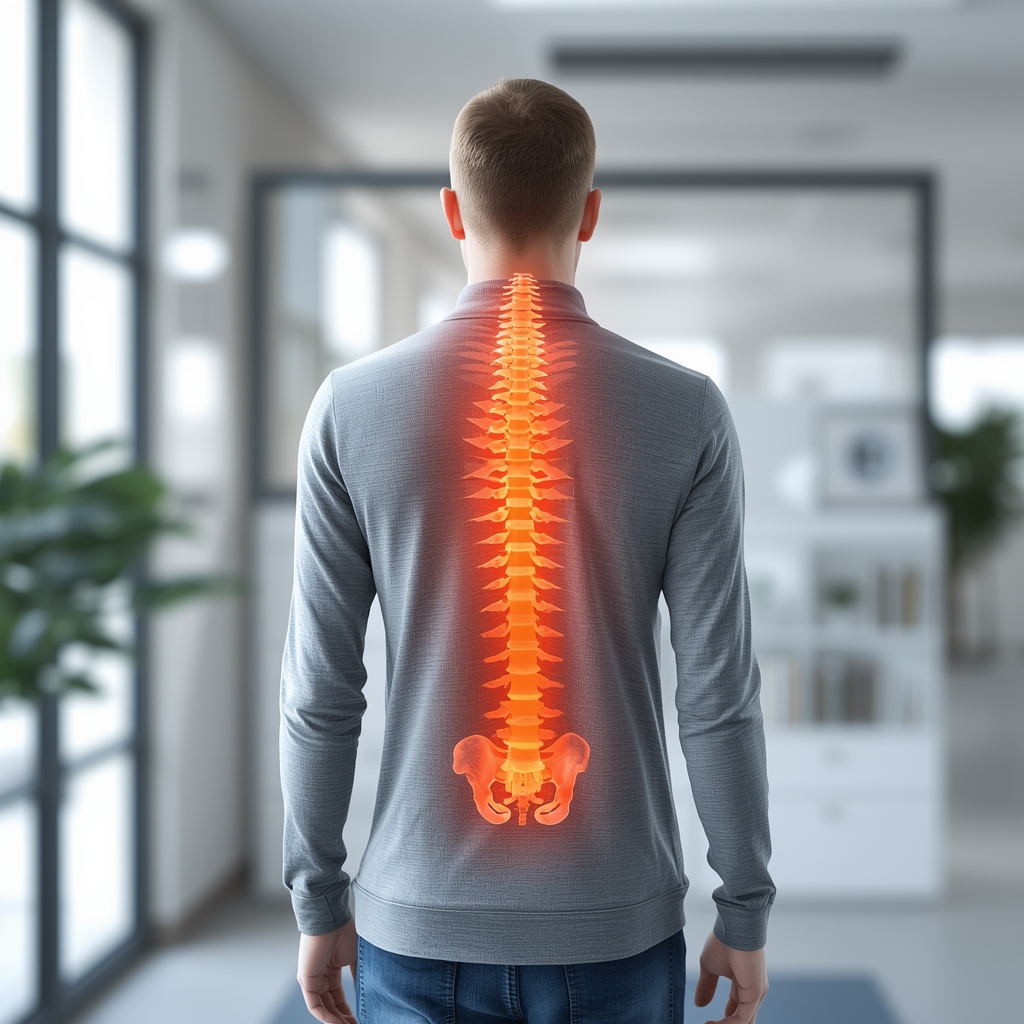
Understanding Spinal Stenosis and Non-Surgical Options
Spinal stenosis occurs when the spinal canal narrows, compressing nerves and causing pain, numbness, or weakness. For older adults, this condition often limits mobility and quality of life. While surgery is a common recommendation, many patients explore non-surgical alternatives. Chiropractic care offers strategies to manage symptoms without invasive procedures. These approaches focus on improving spinal alignment, reducing pressure on nerves, and enhancing overall function. By addressing the root causes of discomfort, chiropractors help patients avoid surgery and maintain an active lifestyle. It’s important to work with a qualified provider to develop a personalized plan that suits individual needs and health goals.
Spinal Adjustments and Decompression Techniques
Chiropractors often use spinal adjustments to restore proper alignment and relieve pressure on affected nerves. For spinal stenosis, gentle manipulations can improve mobility and reduce inflammation. Decompression therapy, another technique, involves gently stretching the spine to create space between vertebrae. This can alleviate nerve compression and ease pain. These methods are typically part of a broader treatment plan that may include soft tissue work and rehabilitative exercises. Patients often report gradual improvements in comfort and flexibility. However, results vary, and it’s essential to discuss expectations with a chiropractor to ensure safety and effectiveness.
Soft Tissue and Rehabilitative Therapies
Soft tissue therapies, such as massage or myofascial release, help reduce muscle tension that may exacerbate spinal stenosis symptoms. By targeting tight muscles around the spine, these techniques can improve posture and reduce strain on the nervous system. Chiropractors may also recommend corrective exercises to strengthen core muscles and support spinal stability. These exercises are tailored to each patient’s abilities, focusing on low-impact movements that enhance flexibility without worsening symptoms. Combining these therapies with adjustments can create a holistic approach to pain management. Patients are encouraged to follow their provider’s guidance to maximize benefits and avoid overexertion.
Lifestyle Modifications and Ergonomic Adjustments
Chiropractors often advise patients with spinal stenosis to make lifestyle changes that reduce spinal strain. This includes maintaining proper posture, using ergonomic furniture, and avoiding activities that worsen symptoms. Regular, gentle movement—such as walking or swimming—can also support spinal health. Patients may receive recommendations for assistive devices, like braces or lumbar supports, to ease daily tasks. Education on body mechanics, such as lifting techniques, helps prevent further injury. These adjustments empower patients to take an active role in their recovery. Consistency with these practices can complement chiropractic treatments and improve long-term outcomes.
Monitoring Progress and Adjusting Care Plans
Effective chiropractic care for spinal stenosis requires ongoing evaluation and adjustments. Patients typically attend regular sessions to track improvements and address any new concerns. Chiropractors may modify techniques based on how the body responds, ensuring treatments remain safe and beneficial. Open communication between patient and provider is crucial to identify what works best. Some individuals may need a combination of therapies, while others benefit from a single approach. By staying proactive, patients can optimize their care and reduce the risk of symptom recurrence. Regular check-ins also help maintain long-term spinal health and prevent complications.
When to Consider Surgery and Alternative Options
While chiropractic care can be highly effective, surgery may still be necessary in severe cases where conservative treatments fail. Patients should discuss all options with their chiropractor and primary care physician to make informed decisions. Surgery might be recommended if there’s significant nerve damage, loss of function, or unrelenting pain. However, many individuals find relief through non-surgical methods, avoiding the risks and recovery time associated with surgery. Exploring all possibilities ensures patients receive the most appropriate care for their condition. A multidisciplinary approach, combining chiropractic care with other therapies, often provides the best results for long-term spinal health.













