
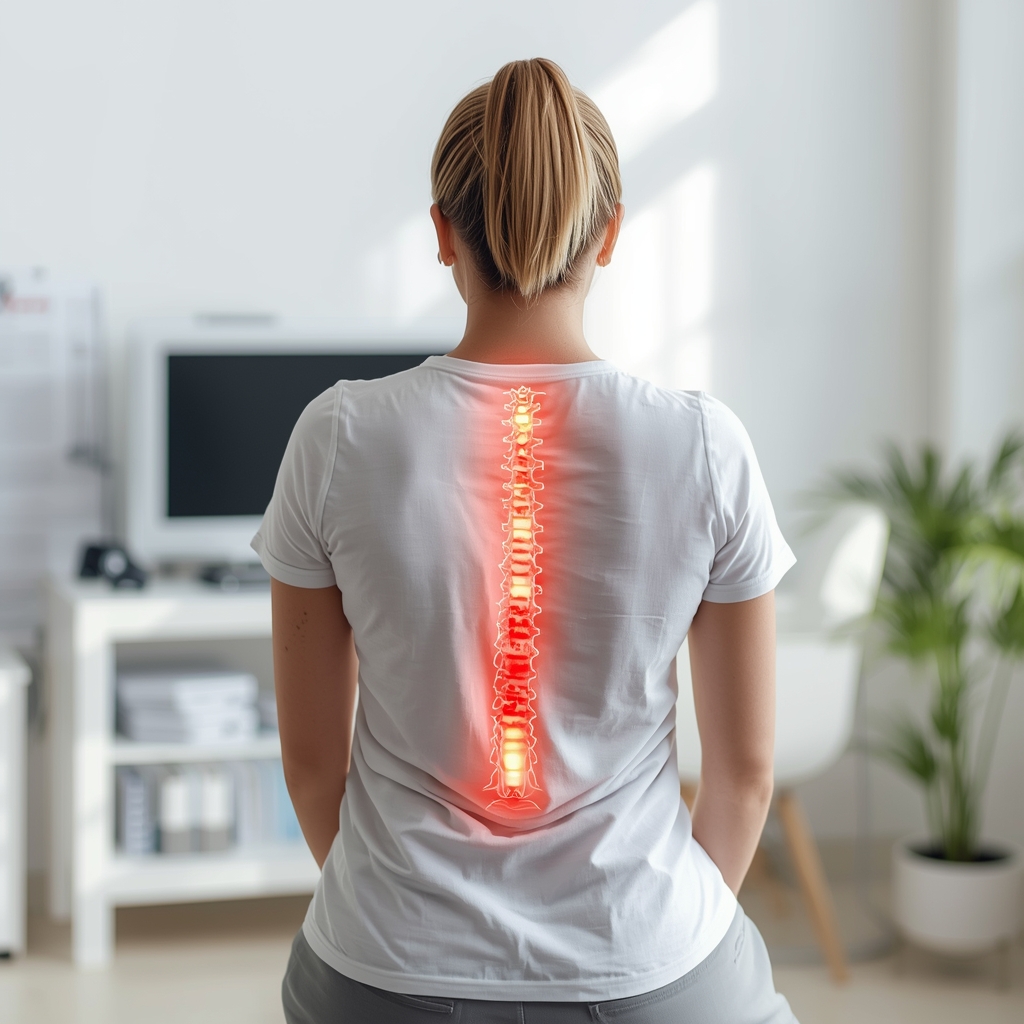
Understanding Cervical Spinal Stenosis and Conservative Care Options
Cervical spinal stenosis occurs when the spinal canal in the neck narrows, potentially compressing the spinal cord or nerves. This can cause pain, numbness, or weakness in the arms, hands, or legs. While surgery is an option for severe cases, many patients seek non-invasive approaches to manage symptoms. Chiropractic care focuses on improving spinal alignment, reducing pressure, and enhancing mobility. Techniques like spinal adjustments, decompression therapy, and soft tissue work may offer relief without surgical intervention. It’s important to consult a qualified chiropractor to explore options tailored to individual needs, as conservative care should complement, not replace, medical advice from physicians.
Spinal Adjustments and Joint Mobilization
Spinal adjustments, a cornerstone of chiropractic care, involve manual or instrument-assisted techniques to restore proper alignment to the cervical spine. By addressing misalignments (subluxations), these adjustments can alleviate pressure on nerves and reduce inflammation. For cervical stenosis, gentle mobilization of the neck joints may improve range of motion and ease discomfort. While adjustments are generally safe when performed by trained professionals, they are not a cure-all. Patients should discuss their specific condition with a chiropractor to determine if this approach is suitable. Many find that regular adjustments, combined with other therapies, contribute to long-term symptom management and improved quality of life.
Decompression Therapy for Nerve Relief
Spinal decompression therapy uses mechanical traction to gently stretch the spine, creating negative pressure that can relieve pressure on compressed nerves or discs. This non-surgical technique is often used for conditions like herniated discs or spinal stenosis. For cervical stenosis, decompression may help reduce nerve irritation and improve circulation to affected areas. Sessions are typically conducted over several weeks, with patients reporting gradual symptom improvement. While research on its effectiveness for stenosis is ongoing, many patients find it a viable alternative to surgery. As with all treatments, it’s crucial to work with a licensed chiropractor to ensure proper application and monitor progress safely.
Soft Tissue Techniques and Myofascial Release
Soft tissue therapies, such as myofascial release and trigger point therapy, address muscle tension that may exacerbate cervical stenosis symptoms. Tight neck and shoulder muscles can contribute to nerve compression and reduced mobility. Chiropractors may use hands-on techniques or tools like the Graston Technique to break up adhesions and improve flexibility. These methods can complement spinal adjustments by reducing muscle spasms and enhancing overall comfort. Patients often report decreased pain and improved posture after consistent treatment. However, soft tissue work should be part of a broader care plan, and results vary depending on the individual’s condition and commitment to follow-up care.
Posture Correction and Ergonomic Strategies
Poor posture, especially from prolonged sitting or device use, can worsen cervical spinal stenosis by increasing spinal strain. Chiropractors often guide patients in correcting postural imbalances through exercises, ergonomic adjustments, and lifestyle modifications. For example, optimizing desk setups or using supportive pillows may reduce neck pressure. Specific stretches and strengthening exercises can also improve spinal stability. While these strategies don’t directly treat stenosis, they play a vital role in preventing symptom progression. Patients are encouraged to adopt these practices alongside professional care to achieve the best outcomes and maintain long-term spinal health.
Integrative Approaches and Personalized Care Plans
Chiropractic care for cervical stenosis often involves a multidisciplinary approach, combining adjustments, decompression, and soft tissue work with other therapies. Physical therapy, acupuncture, or anti-inflammatory diets may also be recommended to support healing. Personalized care plans consider the patient’s symptoms, medical history, and goals, ensuring treatments are safe and effective. Regular communication with healthcare providers is essential to monitor progress and adjust strategies as needed. While conservative care can significantly improve quality of life, it’s important to view it as part of a comprehensive management plan. Patients should always consult their chiropractor and primary physician to make informed decisions about their care.












