The Role of the Thoracic Spine in Postural Stability
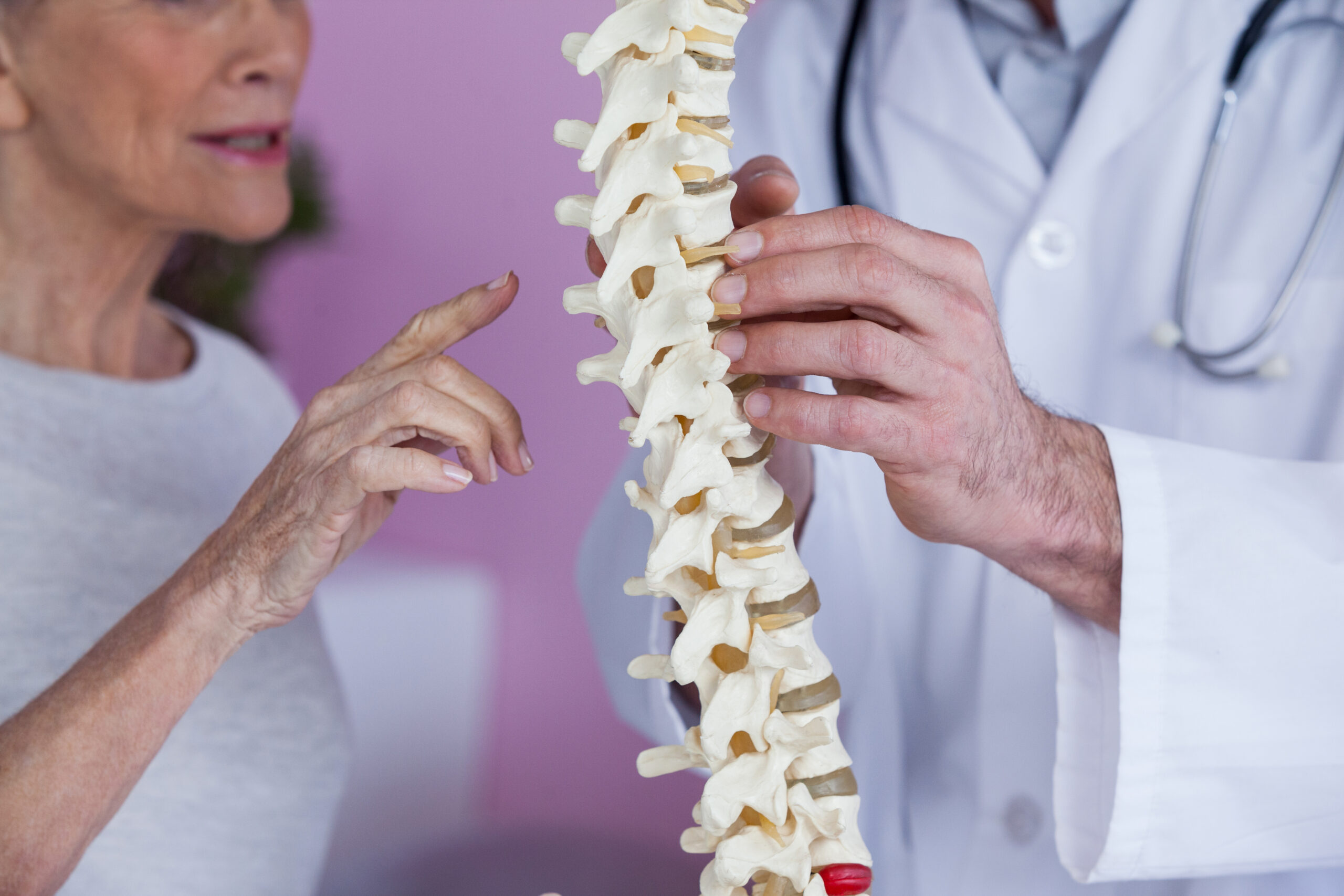
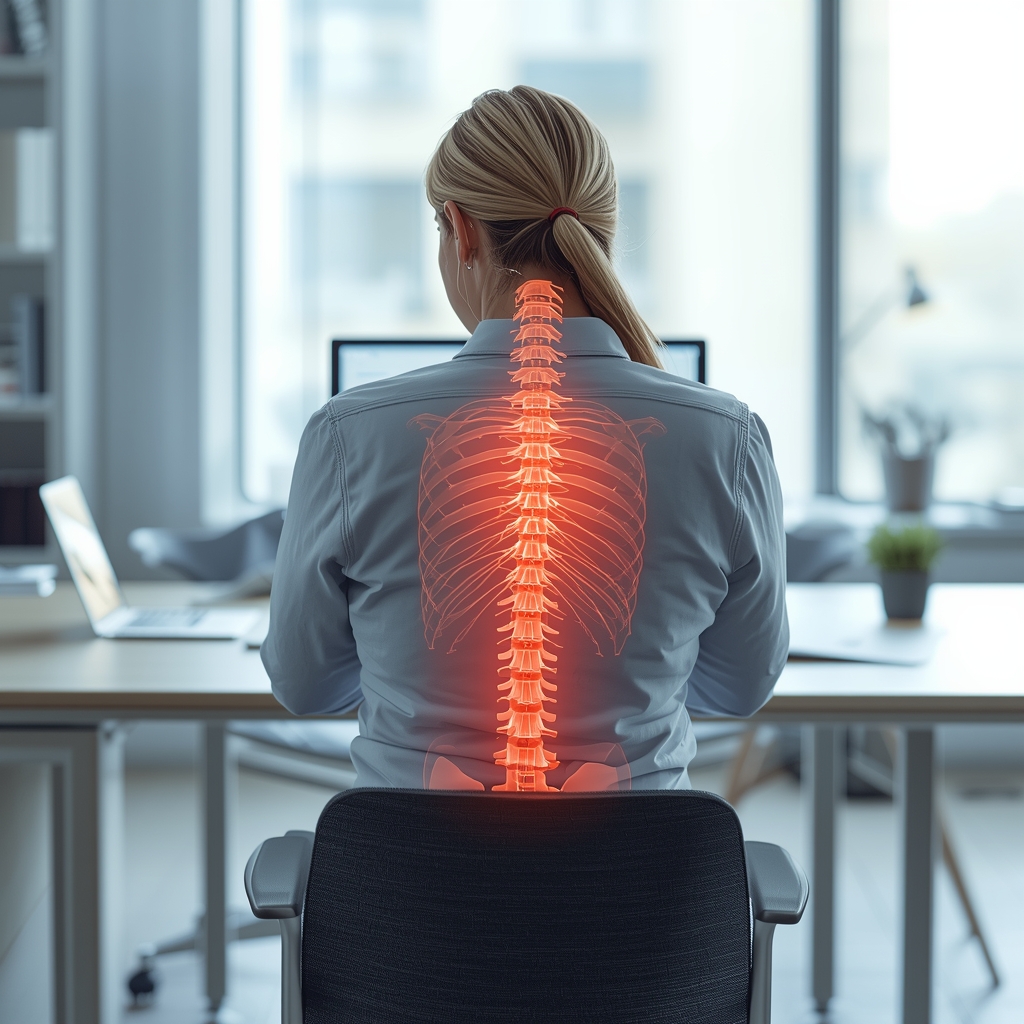
The thoracic spine, consisting of 12 vertebrae, forms the middle segment of the spinal column and plays a critical role in maintaining postural stability. Unlike the more flexible cervical and lumbar regions, the thoracic spine is naturally more rigid due to its attachment to the rib cage, which provides structural support but limits movement. This anatomical design helps protect vital organs in the chest while maintaining an upright posture. However, its limited mobility can also make it susceptible to misalignment when subjected to prolonged poor posture, such as slouching or hunching over a desk. Understanding these inherent characteristics is essential for recognizing how everyday habits can strain the thoracic spine and contribute to postural imbalances.
Anatomical Features of the Thoracic Vertebrae
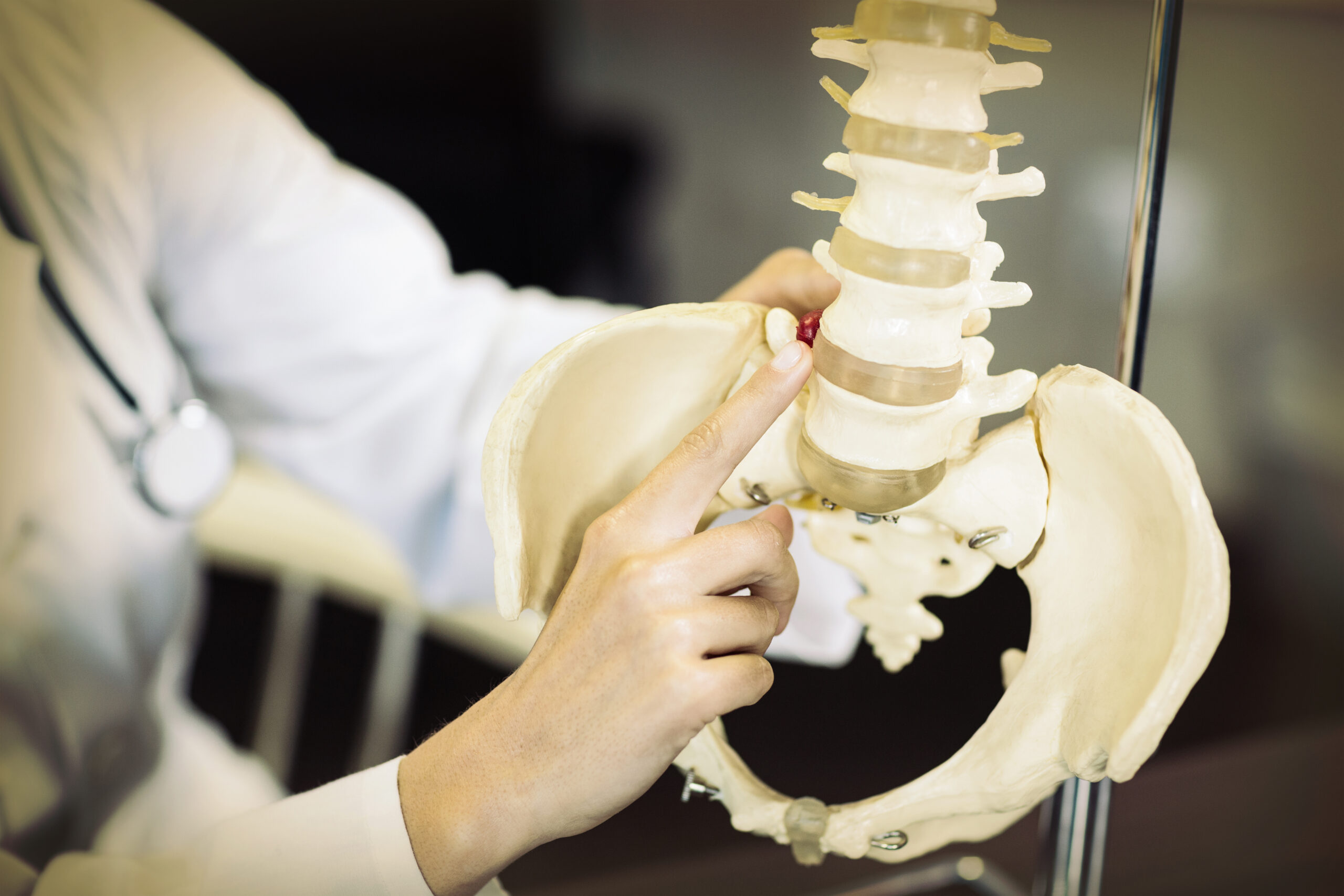
Each thoracic vertebra is uniquely shaped to accommodate the rib cage, with facets that connect to the ribs and a longer spinous process that extends downward. These features create a more stable structure but also increase the risk of restricted movement when muscles or ligaments become tight. The thoracic spine’s natural kyphotic curve (a forward rounding) is a normal anatomical variation, but excessive curvature—often seen in office workers with sedentary lifestyles—can lead to discomfort and functional limitations. The intervertebral discs in this region are thinner than in other spinal sections, reducing their ability to absorb shock and making the thoracic spine more prone to strain from repetitive or improper movements.
Muscular and Ligamentous Influences on Posture
The thoracic spine’s alignment is heavily influenced by the surrounding musculature, including the erector spinae, rhomboids, and trapezius muscles. These muscles work together to maintain an upright posture, but prolonged sitting can cause them to weaken or become imbalanced. For example, tight pectoral muscles from hunching over a computer may pull the shoulders forward, exacerbating a rounded upper back. Ligaments such as the ligamentum flavum and interspinous ligaments also contribute to spinal stability, but they can become overstretched or inflamed due to poor posture. This muscular and ligamentous interplay highlights why addressing thoracic spine health is crucial for preventing long-term postural issues.
How Thoracic Spine Anatomy Contributes to Postural Problems
The thoracic spine’s structural rigidity and its role in supporting the rib cage make it vulnerable to postural distortions when other parts of the body compensate for imbalances. For instance, a forward head posture often associated with desk work can create a chain reaction, forcing the thoracic spine to compensate by increasing its natural curve. This hyperkyphosis can lead to chest tightness, reduced lung capacity, and chronic upper back pain. Additionally, weak core muscles may cause the thoracic spine to bear more weight than it’s designed to handle, further straining the surrounding tissues. These anatomical factors underscore the importance of maintaining proper posture to avoid long-term musculoskeletal complications.
Common Postural Issues in Office Workers
Office workers frequently experience postural issues such as kyphosis, forward head posture, and rounded shoulders, all of which are closely linked to thoracic spine anatomy. Prolonged sitting in an improperly adjusted chair can flatten the thoracic curve, leading to a