
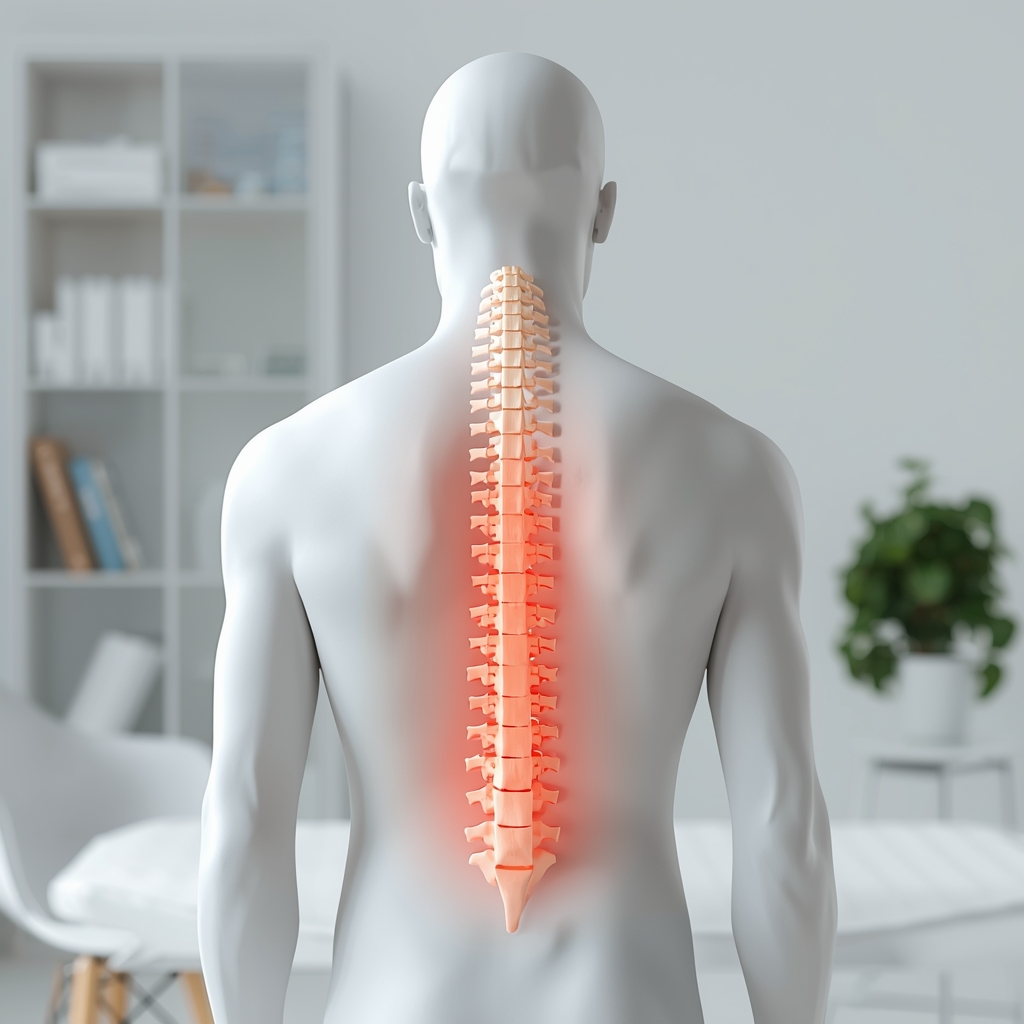
Anatomy of the Thoracic Spine
The thoracic spine consists of 12 vertebrae, each connected to a pair of ribs, forming the posterior wall of the chest cavity. This structure provides stability and protection for vital organs while allowing limited mobility compared to other spinal regions. The thoracic vertebrae have facets that articulate with the ribs, creating a rigid yet flexible framework. However, this rigidity can make the area prone to restricted movement, leading to compensatory patterns in adjacent regions like the cervical and lumbar spine. The thoracic spine also houses numerous nerves, including those of the sympathetic nervous system, which can contribute to referred pain or autonomic dysfunction when misaligned. Understanding this anatomy is critical for identifying how structural imbalances or mechanical stressors might manifest as upper back pain.
Common Pain Patterns and Contributing Factors
Upper back pain often stems from issues like poor posture, muscle imbalances, or thoracic spine stiffness. Kyphosis, or excessive rounding of the upper back, is a frequent culprit, as it alters the natural curve of the thoracic spine and strains surrounding muscles. Restricted thoracic mobility can also lead to compensatory movements in the neck and shoulders, causing tension headaches or shoulder pain. Additionally, conditions such as thoracic outlet syndrome—where nerves or blood vessels near the neck are compressed—may present as upper back discomfort. Soft tissue injuries, including strained intercostal muscles, are another common source of pain. These patterns highlight the interconnected nature of the thoracic spine with adjacent structures, emphasizing the need for a holistic approach to diagnosis and treatment.
The Role of Nerves and Soft Tissues
The thoracic spine is closely linked to the nervous system, with spinal nerves exiting through intervertebral foramina to innervate the chest, abdomen, and upper extremities. Misalignments or subluxations in this region can irritate these nerves, leading to pain, numbness, or altered sensation. Soft tissues, including ligaments, muscles, and fascia, also play a key role in maintaining spinal stability. When these structures become tight, inflamed, or weakened, they can contribute to chronic pain or restricted movement. For example, overuse of the upper trapezius muscles from poor posture may cause referred pain to the thoracic area. Chiropractors assess these interactions to identify whether pain originates from bony structures, nerve pathways, or soft tissue dysfunction, guiding targeted interventions.
Chiropractic Assessment Techniques
Chiropractors evaluate the thoracic spine through a combination of patient history, physical examination, and diagnostic tools. Palpation helps identify areas of tenderness, muscle tension, or joint restrictions, while range-of-motion tests assess mobility. Postural analysis is crucial, as deviations like forward head posture or rounded shoulders often correlate with thoracic spine dysfunction. Imaging, such as X-rays or MRI, may be used to rule out structural abnormalities or degenerative changes. Functional assessments, including muscle strength testing and neurological exams, further clarify the root cause of pain. These evaluations enable chiropractors to develop personalized care plans that address both structural and functional aspects of thoracic spine health.
Chiropractic Interventions for Upper Back Pain
Chiropractors employ various techniques to alleviate thoracic spine-related upper back pain, starting with spinal adjustments to correct misalignments and restore proper motion. These adjustments can reduce nerve irritation and improve joint function. Soft tissue therapies, such as myofascial release or trigger point therapy, target muscle tension and adhesions contributing to pain. Instrument-assisted techniques, like the Activator method, offer a gentler approach for sensitive areas. Additionally, rehabilitative exercises may be prescribed to strengthen core and postural muscles, enhancing long-term stability. Chiropractors often combine these methods with ergonomic advice to address lifestyle factors exacerbating thoracic strain. By addressing both immediate symptoms and underlying causes, these interventions aim to restore balance and functionality to the upper back region.
Long-Term Management and Prevention
Maintaining thoracic spine health requires ongoing care and lifestyle adjustments. Chiropractors may recommend regular check-ups to monitor spinal alignment and address minor issues before they escalate. Ergonomic modifications, such as adjusting desk setups or sleeping positions, can reduce strain on the upper back. Strengthening exercises for the scapular stabilizers and core muscles help support the thoracic region, while stretching routines improve flexibility. Patients are often encouraged to avoid prolonged static postures and incorporate movement breaks throughout the day. By combining professional care with self-management strategies, individuals can minimize the risk of recurring upper back pain. Chiropractors play a key role in educating patients about these practices, fostering a proactive approach to spinal wellness.













