
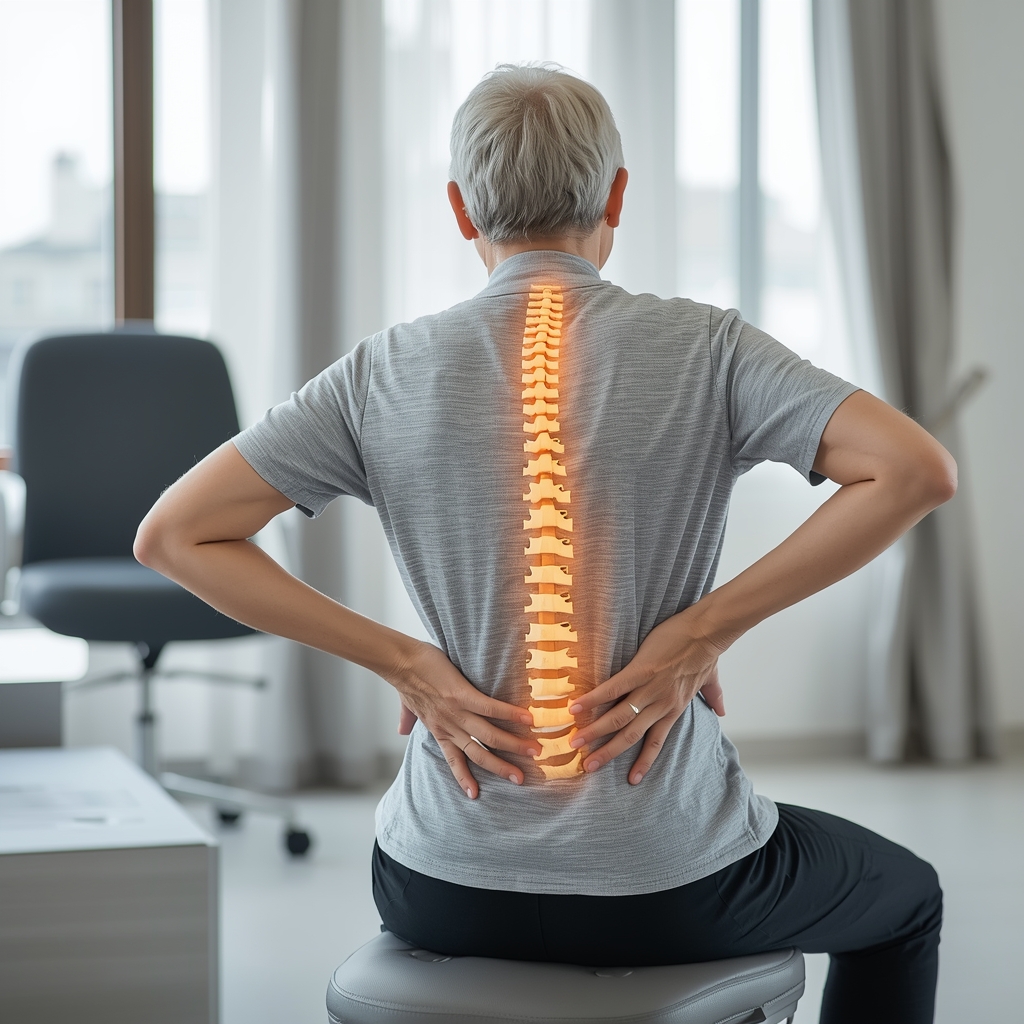
Understanding Spinal Stenosis and Its Impact on Elderly Patients
Spinal stenosis occurs when the spaces within the spine narrow, potentially compressing the spinal cord or nerves. This condition commonly affects elderly individuals, causing symptoms like pain, numbness, and difficulty walking. While degenerative changes are often age-related, the condition can significantly impact mobility and quality of life. For many patients, a combination of targeted spinal adjustments and lifestyle changes may help alleviate discomfort and improve function. It’s important to approach treatment collaboratively with a qualified chiropractor to address individual needs and ensure safety, especially for older adults with potential comorbidities.
Targeted Spinal Adjustments for Symptom Relief
Chiropractic adjustments may help relieve pressure on nerves and improve spinal alignment in patients with spinal stenosis. Techniques such as diversified adjustments, which use manual thrusts to realign vertebrae, are commonly employed. Decompression therapy, which gently stretches the spine to create space between discs, may also be beneficial. These methods aim to reduce inflammation and enhance mobility, though results vary based on the severity of the condition. Elderly patients should work with chiropractors experienced in geriatric care to ensure adjustments are tailored to their unique needs and physical limitations.
Lifestyle Modifications to Complement Chiropractic Care
Alongside spinal adjustments, lifestyle changes can play a critical role in managing spinal stenosis. Regular low-impact exercise, such as walking or swimming, helps maintain flexibility and strength without exacerbating symptoms. Posture correction and ergonomic adjustments at home or work can reduce strain on the spine. Weight management is also important, as excess weight may increase pressure on the spine. Patients are often advised to avoid activities that involve heavy lifting or prolonged sitting. These modifications, when combined with professional care, may contribute to long-term symptom management and improved daily functioning.
Combining Adjustments with Holistic Approaches
A comprehensive approach to spinal stenosis often includes both chiropractic adjustments and complementary therapies. For example, soft tissue techniques like massage or trigger point therapy may ease muscle tension that worsens symptoms. Physical therapy exercises prescribed by a chiropractor can further support spinal stability. Some patients also find relief through acupuncture or heat/cold therapy, though these should be discussed with a healthcare provider. The goal is to create a personalized plan that addresses both structural and lifestyle factors, promoting overall well-being while minimizing discomfort.
When to Seek Professional Guidance
While lifestyle changes and adjustments may provide relief, it’s essential to consult a chiropractor or medical professional for proper diagnosis and treatment planning. Severe symptoms such as progressive weakness, loss of bladder/bowel control, or significant pain that doesn’t improve warrant immediate attention. A chiropractor can assess the condition’s severity and recommend appropriate interventions, which may include referrals to other specialists. For elderly patients, regular check-ups help monitor changes and adjust care plans as needed, ensuring safe and effective management of spinal stenosis over time.
Conclusion: A Collaborative Path to Symptom Management
Spinal stenosis in elderly patients requires a thoughtful, individualized approach to care. Spinal adjustments can help alleviate nerve compression and improve mobility, while lifestyle modifications support long-term wellness. By working closely with a chiropractor, patients can explore options that align with their health goals and physical capabilities. It’s crucial to prioritize open communication with healthcare providers to navigate treatment choices safely. With the right combination of strategies, many individuals find meaningful relief and maintain an active, independent lifestyle despite the challenges of spinal stenosis.













