
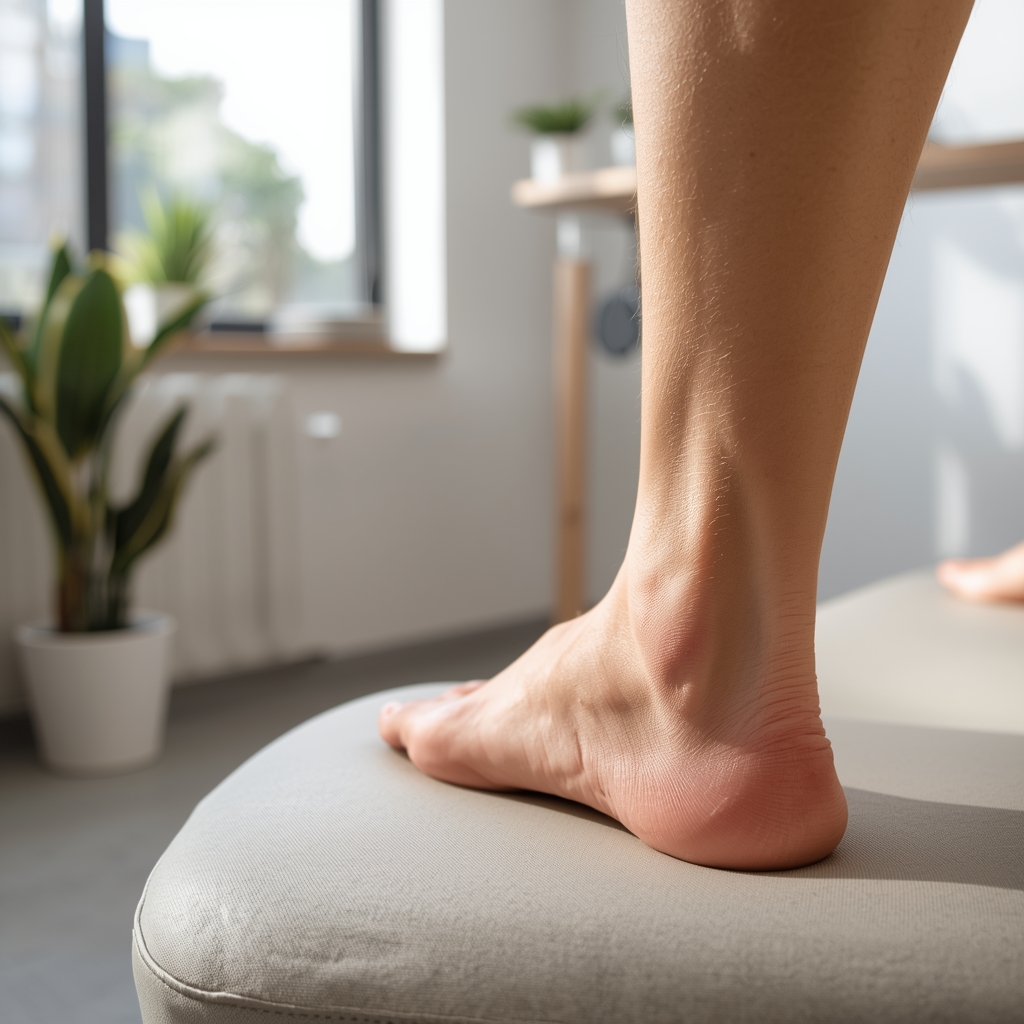
Understanding the Link Between Foot Health and Spinal Alignment
Recurrent plantar fasciitis often stems from imbalances in the body’s biomechanics, which can be influenced by spinal misalignments. The feet serve as the foundation for the entire musculoskeletal system, and issues like flat feet or improper gait can create compensatory patterns that affect the knees, hips, and spine. Chiropractors recognize that addressing these patterns requires a holistic approach, as spinal adjustments may help restore proper alignment and reduce stress on the plantar fascia. By evaluating posture and movement, chiropractors can identify how spinal dysfunction contributes to foot pain, creating a roadmap for integrated care. This connection highlights the importance of considering both structural and functional factors when treating chronic conditions like plantar fasciitis.
The Role of Spinal Adjustments in Pain Relief
Spinal adjustments are a cornerstone of chiropractic care, aiming to correct misalignments that may disrupt nerve function and contribute to pain. For patients with recurrent plantar fasciitis, these adjustments can alleviate pressure on nerves and muscles that radiate from the spine to the feet. By restoring proper spinal curvature and joint mobility, chiropractors may reduce inflammation and improve overall body mechanics. This can indirectly ease strain on the plantar fascia, which is often exacerbated by compensatory movements caused by spinal imbalances. While adjustments alone may not resolve foot-specific issues, they play a vital role in addressing the root causes of chronic pain. Patients often report improved comfort and mobility after a series of sessions, underscoring the value of spinal health in holistic treatment plans.
How Custom Orthotics Support Foot and Spinal Health
Custom orthotics are designed to correct biomechanical imbalances in the feet, providing targeted support where standard insoles fall short. For individuals with plantar fasciitis, these devices can redistribute pressure, stabilize the arch, and improve gait patterns. When combined with chiropractic care, orthotics may enhance the effectiveness of spinal adjustments by ensuring the feet function as a stable base. This synergy can reduce compensatory stress on the lower back and hips, promoting long-term relief. Chiropractors often collaborate with podiatrists or orthotic specialists to tailor devices to a patient’s unique needs. By addressing both structural and functional aspects, custom orthotics offer a complementary approach to managing recurring foot pain while supporting overall spinal health.
Combining Adjustments and Orthotics for Comprehensive Care
Integrating spinal adjustments with custom orthotics allows chiropractors to address plantar fasciitis from multiple angles. Adjustments target spinal misalignments that may contribute to poor posture or gait abnormalities, while orthotics provide direct support to the feet’s structure. This dual approach can break the cycle of recurring pain by correcting both systemic and localized issues. Patients may experience faster relief and better long-term outcomes when these treatments are used together, as each supports the other’s effectiveness. Chiropractors carefully assess each patient’s condition to determine the optimal sequence and frequency of these interventions. By fostering collaboration between different healthcare disciplines, this strategy highlights the importance of personalized care in managing complex, chronic conditions like plantar fasciitis.
Considering Individual Needs and Treatment Goals
Every patient’s experience with plantar fasciitis is unique, requiring a tailored approach to care. Chiropractors evaluate factors such as lifestyle, activity levels, and existing health conditions to design a treatment plan that aligns with individual needs. For example, someone with a sedentary job may benefit from different adjustments and orthotic designs compared to an athlete. Open communication between patient and provider is essential to ensure treatments are both effective and comfortable. Chiropractors also consider how other therapies, like physical therapy or massage, might complement spinal and orthotic interventions. By prioritizing patient-centered care, chiropractors help individuals navigate their recovery journey with confidence and clarity.
Consulting a Chiropractor for Personalized Solutions
While general guidelines exist for treating plantar fasciitis, the best outcomes come from personalized care. Chiropractors are trained to assess the interplay between spinal health and foot function, offering strategies that address both. Patients considering custom orthotics or spinal adjustments should consult a qualified provider to discuss their specific situation. A chiropractor can evaluate whether these treatments are appropriate and how they might fit into a broader care plan. By taking a collaborative approach, patients and providers can work together to manage pain, improve mobility, and prevent future flare-ups. Ultimately, seeking professional guidance ensures that treatment decisions are informed, safe, and aligned with individual health goals.













