
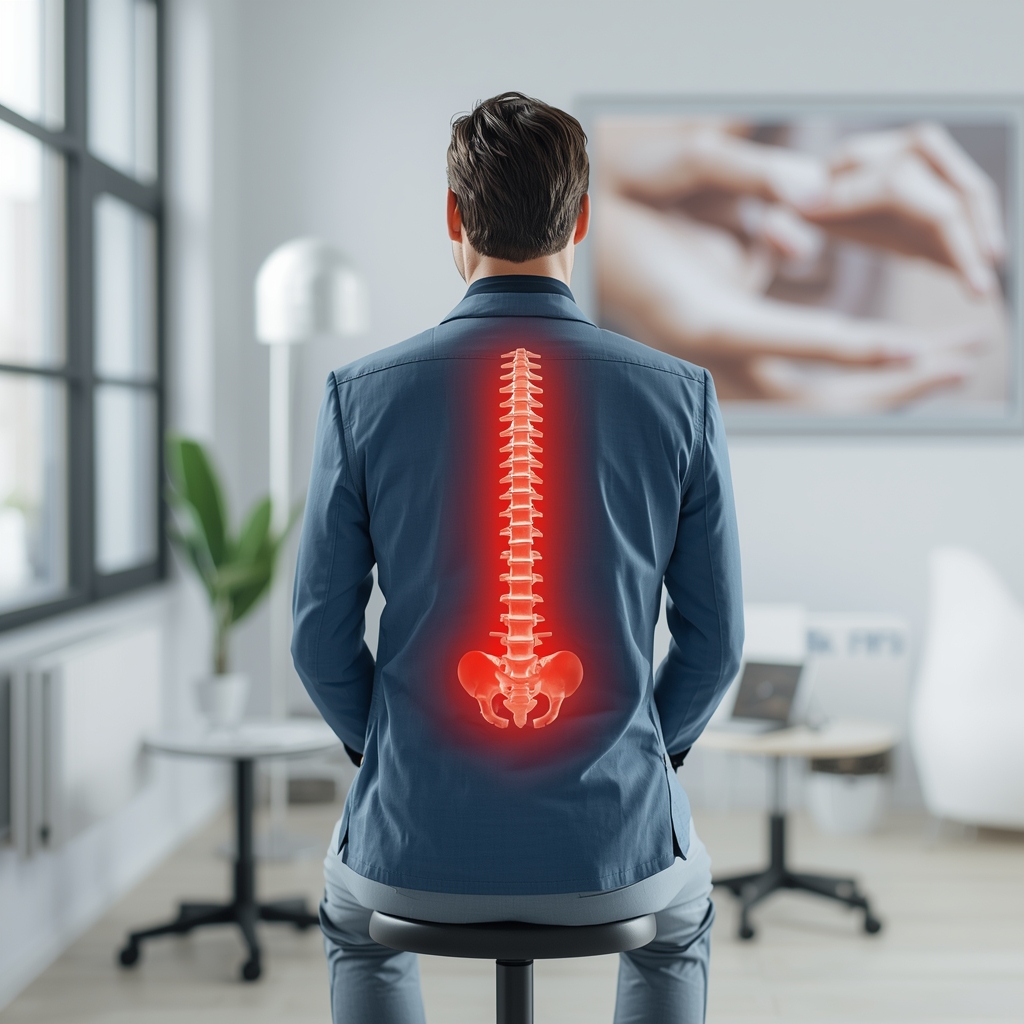
Understanding the Link Between PTSD and Chronic Pain in Veterans
Post-traumatic stress disorder (PTSD) often coexists with chronic pain among veterans, creating a complex interplay of physical and psychological challenges. The stress of combat or military service can lead to persistent musculoskeletal issues, such as back pain, headaches, or joint discomfort, which may worsen due to heightened stress levels. Chiropractic care offers a non-invasive approach to address these symptoms by focusing on the musculoskeletal system and nervous system. By realigning the spine and improving mobility, chiropractors aim to reduce pain and enhance the body’s natural healing processes. This holistic perspective is particularly valuable for veterans, as it acknowledges the interconnected nature of physical and mental health. While chiropractic care is not a cure for PTSD, it can complement traditional therapies by alleviating physical discomfort that may exacerbate emotional distress.
How Chiropractic Care Addresses Physical Symptoms
Chiropractic adjustments can help relieve chronic pain by targeting misalignments in the spine and joints that contribute to discomfort. For veterans, these adjustments may reduce tension in the neck, back, and shoulders—areas commonly affected by stress and physical strain. Techniques like spinal manipulation and soft tissue therapy can improve mobility, decrease inflammation, and promote better nerve function. Additionally, chiropractors often incorporate lifestyle advice, such as posture correction and exercise recommendations, to support long-term wellness. By addressing the physical manifestations of stress, chiropractic care may indirectly ease the emotional burden of PTSD. It’s important to note that these interventions are typically part of a broader care plan, tailored to the individual’s needs. Veterans considering chiropractic care should consult a licensed professional to ensure safety and effectiveness, especially if they have pre-existing conditions or are undergoing other treatments.
Exploring Holistic Approaches for Comprehensive Relief
Many chiropractors integrate holistic methods to enhance the benefits of traditional treatments. For veterans dealing with PTSD-related chronic pain, approaches like acupuncture, massage therapy, and nutritional counseling may provide additional relief. Acupuncture, for instance, is often used to reduce pain and promote relaxation, while massage therapy can ease muscle tension and improve circulation. Nutritional guidance may address inflammation or deficiencies that contribute to pain. These complementary therapies align with chiropractic principles by focusing on the body’s innate ability to heal. However, the effectiveness of these methods can vary, and veterans should work with qualified practitioners to create a personalized plan. Holistic care emphasizes a whole-body approach, recognizing that physical pain and mental health are deeply interconnected. By combining these strategies, veterans may experience more balanced and sustainable improvements in their quality of life.
The Role of Stress and Anxiety Relief in Chronic Pain Management
Stress and anxiety, common in veterans with PTSD, can intensify chronic pain by increasing muscle tension and altering pain perception. Chiropractic care may help mitigate these effects by promoting relaxation and reducing physiological stress responses. Spinal adjustments can stimulate the parasympathetic nervous system, encouraging a state of calm and reducing the body’s stress hormone levels. This, in turn, may lower pain sensitivity and improve sleep quality, which is often disrupted in individuals with PTSD. Additionally, chiropractors may recommend mindfulness practices or breathing exercises to further support emotional well-being. While these techniques are not a substitute for mental health treatment, they can serve as valuable adjuncts. Veterans seeking relief should discuss their full range of symptoms with their chiropractor to ensure a coordinated approach that addresses both physical and emotional needs.
Integrating Chiropractic Care With Other Therapies
A multidisciplinary approach often yields the best outcomes for veterans managing PTSD-related chronic pain. Chiropractic care can be combined with physical therapy, counseling, and medication under the guidance of a healthcare team. For example, physical therapy may strengthen muscles and improve flexibility, while counseling addresses the psychological aspects of PTSD. Chiropractors may also collaborate with primary care physicians to monitor progress and adjust treatment plans as needed. This integrative model ensures that all facets of a veteran’s health are considered, reducing the risk of over-reliance on any single method. Veterans should communicate openly with their providers to create a cohesive strategy that aligns with their goals. By fostering collaboration among different disciplines, this approach maximizes the potential for long-term pain relief and improved mental health.
Conclusion: A Pathway to Holistic Healing for Veterans
Chiropractic care offers a valuable, non-invasive option for veterans struggling with PTSD-related chronic pain. By addressing physical discomfort and promoting overall well-being, it can complement traditional treatments and enhance quality of life. Holistic approaches, such as acupuncture and stress-reduction techniques, further support this goal by targeting the mind-body connection. However, the effectiveness of these methods depends on individualized care and professional guidance. Veterans considering chiropractic services should seek licensed practitioners with experience in treating military-related conditions. Open communication with healthcare providers ensures that all aspects of their health are addressed. While chiropractic care is not a cure for PTSD, it can play a significant role in a comprehensive treatment plan, helping veterans achieve greater comfort and resilience.













