
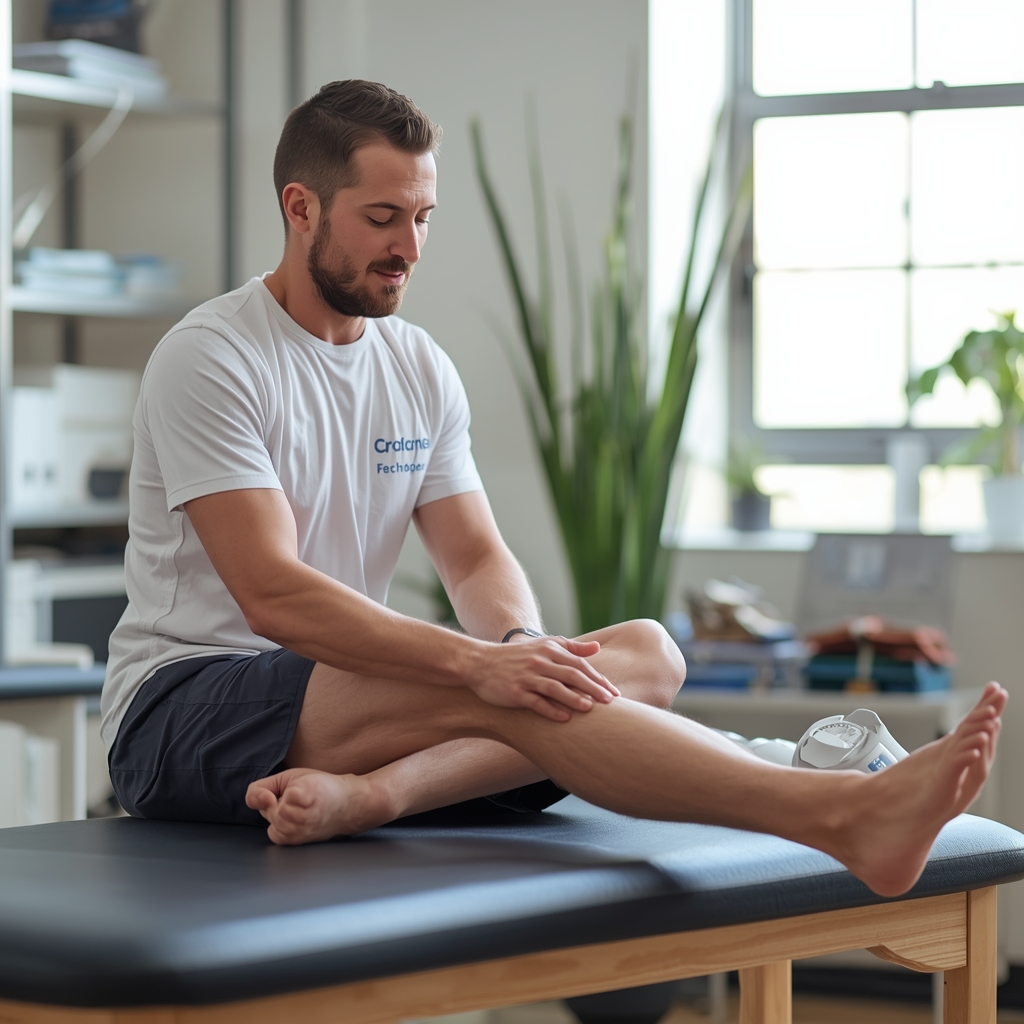
Understanding Chronic Patellar Tendinopathy and Instrument-Assisted Techniques
Chronic patellar tendinopathy, often called jumper’s knee, is a common overuse injury among athletes, causing pain and reduced mobility at the patellar tendon. Instrument-assisted techniques, such as the Graston Technique, use specialized tools to detect and treat soft tissue restrictions. These methods aim to break down scar tissue, improve blood flow, and accelerate healing. While Graston is widely recognized, other instrument-assisted therapies may offer alternative approaches. Understanding their mechanisms and applications is key for athletes seeking effective treatment options.
The Graston Technique: Principles and Application
The Graston Technique involves using stainless steel instruments to manually assess and treat soft tissue dysfunction. Practitioners glide the tools over the skin to identify areas of restriction, then apply controlled pressure to release adhesions. This method is often combined with stretching and exercise to restore function. Its popularity stems from its ability to target deep tissues and promote collagen remodeling. However, results can vary, and it is typically part of a broader treatment plan that may include physical therapy or activity modification.
Alternative Instrument-Assisted Methods and Their Benefits
Other instrument-assisted techniques, such as ASTYM (Augmented Soft Tissue Mobilization), use similar principles but differ in tool design and treatment protocols. ASTYM focuses on stimulating the body’s natural healing response by addressing inflammation and scar tissue. Some athletes report faster recovery with these methods, though research remains limited. These techniques may be preferred for their gentler approach or tailored protocols. However, their effectiveness depends on practitioner expertise and individual patient response, making personalized consultation essential.
Comparing Effectiveness: Graston vs. Alternatives
Studies on the effectiveness of Graston and alternative techniques for patellar tendinopathy are inconclusive, with mixed results on pain reduction and functional improvement. Graston’s mechanical action may offer immediate relief, while methods like ASTYM emphasize long-term tissue regeneration. Factors such as injury severity, athlete compliance, and combined therapies influence outcomes. Some practitioners advocate for a hybrid approach, integrating multiple techniques to address different aspects of the condition. Athletes should discuss options with a qualified provider to determine the best fit for their needs.
Considerations for Athletes and Practitioners
Choosing the right instrument-assisted technique requires evaluating the athlete’s specific condition, goals, and tolerance for treatment. Graston’s widespread use means more practitioner experience is available, but alternatives may suit those seeking less invasive options. Consistency in treatment and adherence to rehabilitation exercises are critical for success. Practitioners must stay updated on emerging research and techniques to provide informed care. Athletes should prioritize communication with their healthcare team to monitor progress and adjust strategies as needed.
When to Seek Professional Guidance
Chronic patellar tendinopathy often requires a multidisciplinary approach, and instrument-assisted techniques should not replace professional evaluation. Athletes experiencing persistent pain or functional limitations should consult a chiropractor or sports medicine specialist. A qualified provider can assess the injury’s severity, recommend appropriate therapies, and monitor progress. While these techniques may complement traditional treatments, they are not a standalone solution. Open dialogue with healthcare providers ensures safe, effective care tailored to individual needs and goals.













