
Understanding the Graston Technique and Its Role in Soft Tissue Recovery
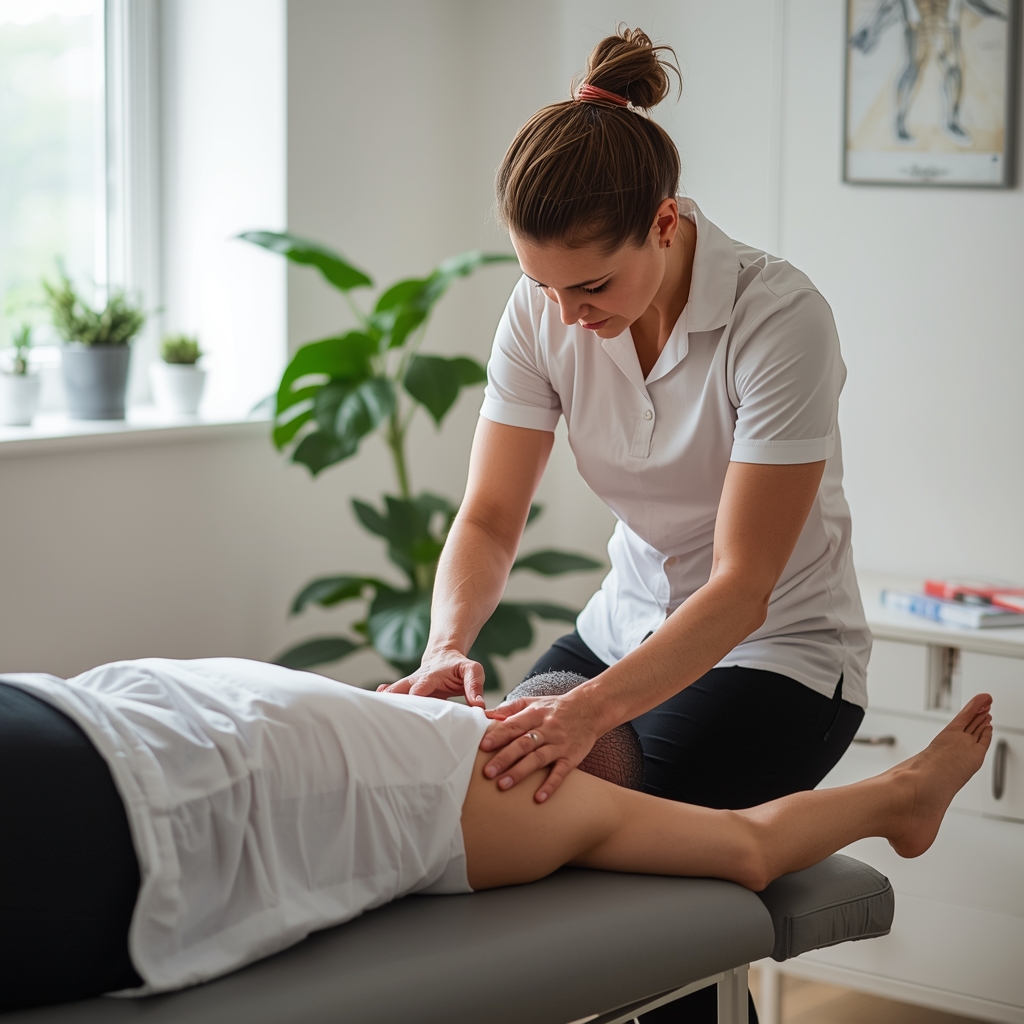
The Graston Technique is a form of instrument-assisted soft tissue mobilization (IASTM) designed to detect and treat areas of scar tissue and fascial restrictions. It involves using specialized tools to apply controlled pressure to affected tissues, breaking down adhesions and promoting healing. This method is commonly used by chiropractors and physical therapists to address chronic pain, sports injuries, and post-surgical recovery. By targeting specific regions of the body, the Graston Technique aims to restore mobility, reduce inflammation, and enhance the body’s natural repair processes. Its application extends beyond musculoskeletal conditions, often supporting recovery from overuse injuries and soft tissue trauma. While the technique is widely practiced, its effectiveness depends on proper training and individualized treatment plans. Clinicians emphasize that it is most beneficial when combined with other therapeutic interventions, such as exercise and manual therapy.
Achilles Tendinopathy and the Challenge of Scar Tissue Formation
Achilles tendinopathy is a common overuse injury affecting the tendon that connects the calf muscles to the heel bone. It often results from repetitive stress, poor biomechanics, or inadequate recovery, leading to pain, stiffness, and reduced function. A key complication of this condition is the formation of scar tissue, which can restrict movement and prolong healing. Scar tissue develops as the body repairs damaged tendon fibers, but it lacks the elasticity of healthy tissue, creating friction and discomfort. This restriction may hinder the tendon’s ability to absorb force during activities like walking or running. Without intervention, chronic scar tissue can contribute to recurring pain and decreased performance. Addressing scar tissue is critical for restoring the tendon’s strength and flexibility. The Graston Technique offers a targeted approach to this challenge by addressing adhesions and promoting tissue remodeling, which may improve outcomes for patients with persistent symptoms.
How Graston Technique Targets Scar Tissue in Achilles Tendinopathy
The Graston Technique uses textured instruments to glide over the skin, identifying areas of restricted movement and adhered tissues. When applied to the Achilles tendon, the tools help break down scar tissue by creating microtrauma that stimulates the body’s healing response. This process can increase blood flow, reduce inflammation, and encourage the reorganization of collagen fibers, which are essential for tendon strength. Practitioners often combine the technique with stretching and strengthening exercises to maximize benefits. By addressing both the mechanical and biochemical aspects of scar tissue, the Graston Technique may restore the tendon’s natural function. However, the approach requires careful calibration to avoid excessive pressure, which could worsen symptoms. Patients typically report reduced pain and improved range of motion after multiple sessions, though results vary based on the injury’s severity and individual factors.
Evidence Supporting Graston's Efficacy in Reducing Scar Tissue
While specific studies on the Graston Technique for Achilles tendinopathy are limited, broader research on IASTM methods suggests potential benefits for soft tissue recovery. Clinical observations and anecdotal reports from practitioners indicate that the technique can improve mobility and reduce pain in conditions involving scar tissue. Some studies highlight its role in breaking down adhesions and enhancing tissue elasticity, though these findings are often contextualized within musculoskeletal rehabilitation. The mechanism of action aligns with principles of tissue remodeling and mechanical stimulation, which are well-established in physical therapy. However, the lack of large-scale, peer-reviewed trials means that its efficacy for Achilles tendinopathy remains an area of ongoing investigation. Patients considering the Graston Technique should discuss its appropriateness with a qualified provider, as individualized assessment is crucial for safe and effective treatment.
Considerations for Patients and Practitioners
The Graston Technique should be administered by trained professionals who understand the nuances of soft tissue assessment and treatment. For patients with Achilles tendinopathy, it is important to communicate their symptoms and medical history to ensure the technique is applied safely. While generally well-tolerated, some individuals may experience temporary soreness or bruising, which typically resolves within a few days. The Graston Technique is most effective when integrated into a comprehensive care plan that includes rest, activity modification, and targeted exercises. It is not a standalone solution but rather a tool to complement other therapies. Patients should also be aware that results may take time and require multiple sessions. Open communication with healthcare providers is essential to monitor progress and adjust the treatment approach as needed.
Conclusion: Graston Technique as a Complementary Approach to Recovery
The Graston Technique offers a promising approach to managing Achilles tendinopathy by addressing scar tissue and restoring tissue function. While its specific efficacy for this condition requires further research, its application aligns with established principles of soft tissue rehabilitation. Patients seeking relief from chronic tendon pain should consult with a chiropractor or physical therapist to determine if the technique suits their needs. When used appropriately, the Graston Technique can enhance recovery, reduce discomfort, and support long-term mobility. As with any therapeutic intervention, individual results may vary, and a personalized treatment plan is essential. By combining the Graston Technique with other evidence-based strategies, patients can take a proactive role in their healing journey.













