
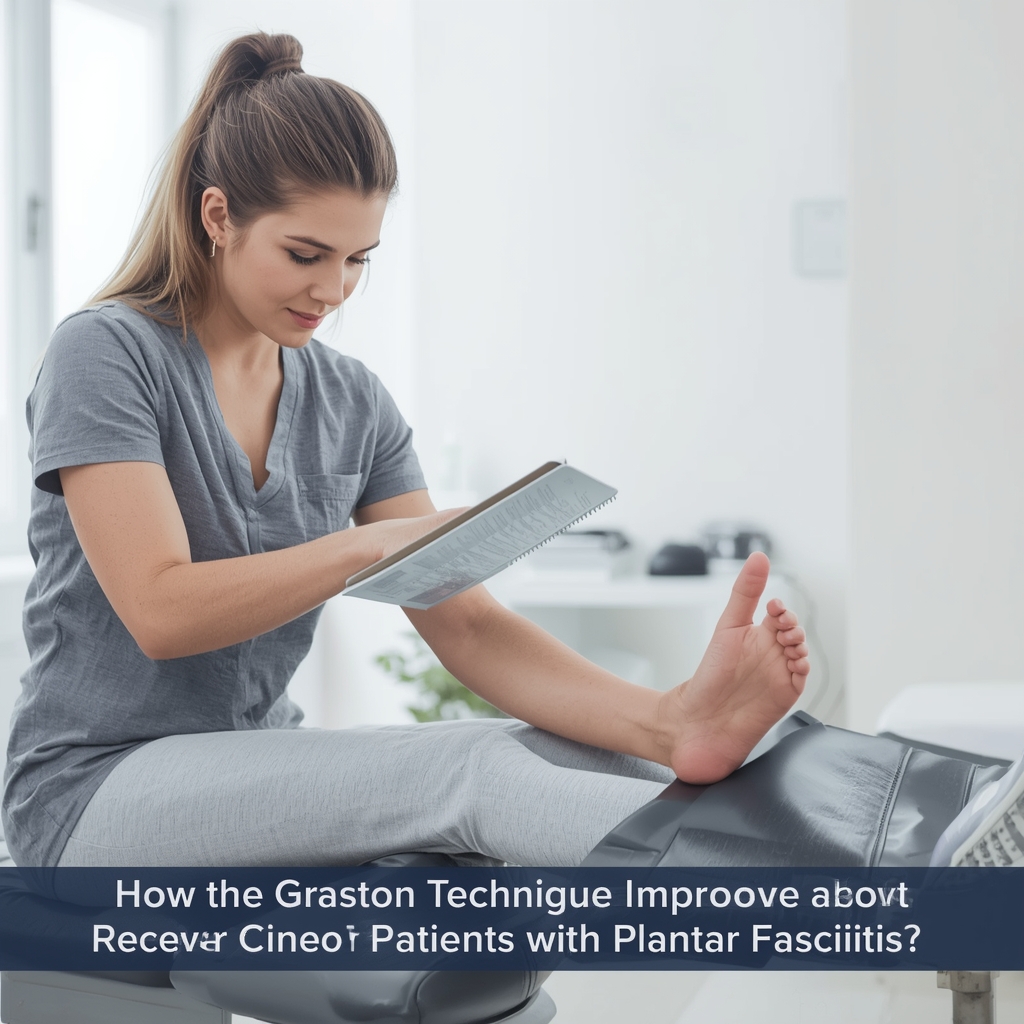
What Is the Graston Technique and How Does It Relate to Plantar Fasciitis?
The Graston Technique is a form of instrument-assisted soft tissue mobilization that uses specialized tools to detect and treat areas of soft tissue restriction. It is commonly used to address conditions involving scar tissue, muscle tightness, and fascial adhesions. Plantar fasciitis, a painful condition affecting the bottom of the foot, often involves inflammation and microtears in the plantar fascia. The Graston Technique may help by breaking down scar tissue and promoting blood flow to the affected area, which could support the body’s natural healing processes. While not a standalone cure, it is often part of a broader treatment plan that may include stretching, orthotics, and physical therapy. Patients seeking relief from chronic foot pain may explore this method under the guidance of a qualified chiropractor or healthcare provider.
How Does the Graston Technique Work on the Plantar Fascia?
The Graston Technique involves using hand-held instruments with specific edges to glide over the skin and target areas of restricted movement. For plantar fasciitis, the tools are applied to the bottom of the foot to identify and release adhesions or scar tissue in the plantar fascia. This process can help reduce tension and improve flexibility in the affected tissues. By breaking up these restrictions, the technique may enhance the foot’s range of motion and reduce pain. The increased blood flow from the treatment can also aid in delivering nutrients and oxygen to the damaged area, potentially accelerating recovery. However, the effectiveness of the Graston Technique can vary depending on the individual’s condition, and it is typically used alongside other therapeutic interventions to achieve optimal results.
What Are the Potential Benefits for Plantar Fasciitis Patients?
Patients with plantar fasciitis may experience several potential benefits from the Graston Technique, including reduced pain and improved mobility. By addressing soft tissue restrictions, the technique can alleviate the strain on the plantar fascia, which is often a source of discomfort. Some individuals report quicker recovery times when the Graston Technique is integrated into their treatment plan, as it may help restore normal tissue function. Additionally, the technique can be used to complement other therapies, such as stretching exercises or custom orthotics, to provide a more comprehensive approach to healing. While results can vary, many patients find that the Graston Technique contributes to a reduction in inflammation and improved foot function. It is important to note that this method should be administered by a trained professional to ensure safety and effectiveness.
How Does the Graston Technique Compare to Other Treatments for Plantar Fasciitis?
The Graston Technique is one of several approaches used to manage plantar fasciitis, alongside methods like physical therapy, stretching, and orthotics. Unlike traditional manual therapy, the Graston Technique uses specialized tools to target specific areas of soft tissue, potentially offering more precise treatment. Some patients may find it more effective than standard massage, as the instruments can detect and address adhesions that might be missed by hand. However, it is not a replacement for other therapies and is often used in conjunction with them. For example, combining the Graston Technique with stretching exercises can enhance flexibility and reduce recurrence risk. The choice of treatment depends on individual needs, and a healthcare provider can help determine the most suitable options for each patient’s condition.
What Should Patients Expect During a Graston Technique Session?
A typical Graston Technique session for plantar fasciitis begins with the practitioner assessing the affected area to identify regions of tightness or restriction. The tools are then used to gently glide over the skin, applying controlled pressure to break up scar tissue and improve mobility. Patients may feel some discomfort during the procedure, particularly in areas with significant adhesions, but this is usually temporary. The session may also include stretching or other therapeutic movements to enhance the treatment’s effects. After the session, some individuals experience immediate relief, while others notice gradual improvements over multiple sessions. It is important to follow any post-treatment recommendations, such as rest or specific exercises, to maximize the benefits. As with any therapy, the experience can vary, and open communication with the practitioner is key to ensuring comfort and effectiveness.
When Should Patients Consider the Graston Technique for Plantar Fasciitis?
Patients with plantar fasciitis may consider the Graston Technique if traditional treatments have not provided sufficient relief or if they are looking for additional options to speed up recovery. It is often recommended for individuals experiencing persistent pain or those who have not responded well to stretching, orthotics, or physical therapy. However, it is essential to consult with a qualified healthcare provider before starting any new treatment. The Graston Technique is generally safe when performed by a trained professional, but it may not be suitable for everyone. For example, patients with certain medical conditions or skin sensitivities should discuss potential risks with their provider. As part of a personalized care plan, the Graston Technique can offer a non-invasive approach to managing plantar fasciitis and improving overall foot health.














