
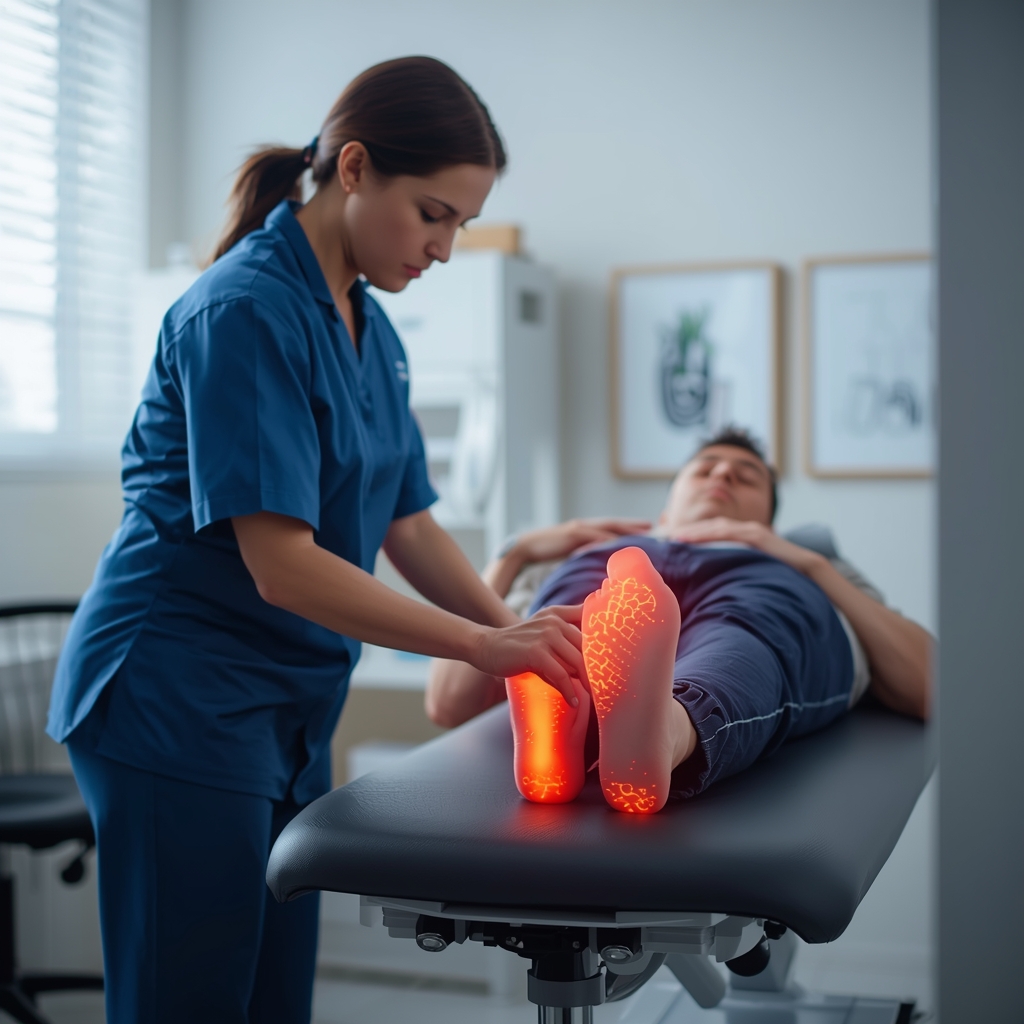
What Is the Graston Technique?
The Graston Technique is a form of instrument-assisted soft tissue mobilization (IASTM) designed to detect and treat areas of scar tissue or adhesions in muscles, tendons, and ligaments. It involves using specialized tools to gently scrape or massage the affected area, promoting blood flow and breaking down restrictive scar tissue. Originally developed for athletes, this method is now widely used in chiropractic and physical therapy settings. For chronic plantar fasciitis, the technique focuses on the plantar fascia, a thick band of tissue running along the bottom of the foot. By targeting this area, the Graston Technique aims to reduce pain and improve mobility. While not a standalone treatment, it is often part of a broader care plan. Patients typically experience relief through repeated sessions, though results vary. A qualified chiropractor can determine if this approach suits their condition.
How the Graston Technique Addresses Plantar Fasciitis
Chronic plantar fasciitis often involves inflammation and micro-tears in the plantar fascia, leading to persistent heel pain. The Graston Technique targets these areas by using textured tools to detect and break up scar tissue and adhesions that form as the tissue heals. This process can restore the fascia’s natural elasticity and reduce stiffness. The technique also stimulates blood flow, which may accelerate the body’s healing response. By addressing the root cause of pain—restricted soft tissue mobility—Graston can complement traditional treatments like stretching, orthotics, or physical therapy. However, it is not a substitute for professional evaluation. A chiropractor will assess the patient’s condition before recommending this therapy, ensuring it aligns with their overall care plan and avoids exacerbating the issue.
Improving Foot Mechanics and Function
Proper foot mechanics are crucial for alleviating plantar fasciitis, as misalignment or muscle imbalances can worsen symptoms. The Graston Technique helps restore normal biomechanics by addressing tight or restricted soft tissues that may alter gait patterns. By reducing scar tissue and promoting flexibility, the technique allows the plantar fascia to function more effectively during movement. This can lead to improved weight distribution and reduced strain on the foot’s arch. Additionally, the therapy may enhance the effectiveness of other interventions, such as custom orthotics or footwear adjustments. However, results depend on consistent application and integration with other therapeutic strategies. A chiropractor can guide patients on how to incorporate Graston into their routine, ensuring it supports long-term foot health and prevents recurring pain.
Benefits for Chronic Cases
Chronic plantar fasciitis can be particularly challenging due to prolonged inflammation and tissue degeneration. The Graston Technique offers potential benefits by targeting these stubborn issues through mechanical soft tissue manipulation. By breaking down adhesions and promoting circulation, it may reduce pain and improve range of motion in affected areas. Many patients report noticeable improvements after several sessions, though outcomes vary based on individual factors like the severity of the condition and adherence to treatment. The technique is often used alongside other therapies, such as stretching or ice therapy, to maximize results. It is important to note that the Graston Technique should be performed by a trained professional to avoid injury. A chiropractor can evaluate the patient’s progress and adjust the treatment plan as needed, ensuring a safe and effective approach to managing chronic plantar fasciitis.
Integration With Other Therapies
The Graston Technique is most effective when combined with a comprehensive treatment strategy. For chronic plantar fasciitis, this may include stretching exercises, physical therapy, or orthotic support. Chiropractors often use the technique to prepare the plantar fascia for these interventions, making them more effective. For example, breaking down scar tissue with Graston can enhance the benefits of stretching by improving tissue flexibility. It may also complement other modalities like ultrasound therapy or dry needling. However, the specific combination of treatments depends on the patient’s unique needs. A chiropractor will tailor the approach, ensuring all therapies work synergistically. Patients should communicate openly with their provider about their symptoms and progress to optimize outcomes. While the Graston Technique can be a valuable tool, it is not a replacement for professional guidance or a well-rounded care plan.
Consulting a Chiropractor for Personalized Care
While the Graston Technique shows promise for chronic plantar fasciitis, its effectiveness depends on proper application and individualized care. A chiropractor can assess the patient’s condition, identify contributing factors, and determine if the technique is appropriate. They may also recommend complementary treatments to address underlying issues, such as foot structure or gait abnormalities. Patients should be cautious about seeking this therapy from unqualified providers, as improper use could worsen symptoms. Open communication with a healthcare professional is essential to ensure safety and efficacy. Regular follow-ups allow for adjustments to the treatment plan as needed. Ultimately, the Graston Technique is one of many tools available to support foot health. A chiropractor can help patients make informed decisions about their care, ensuring a holistic and sustainable approach to managing chronic plantar fasciitis.














