
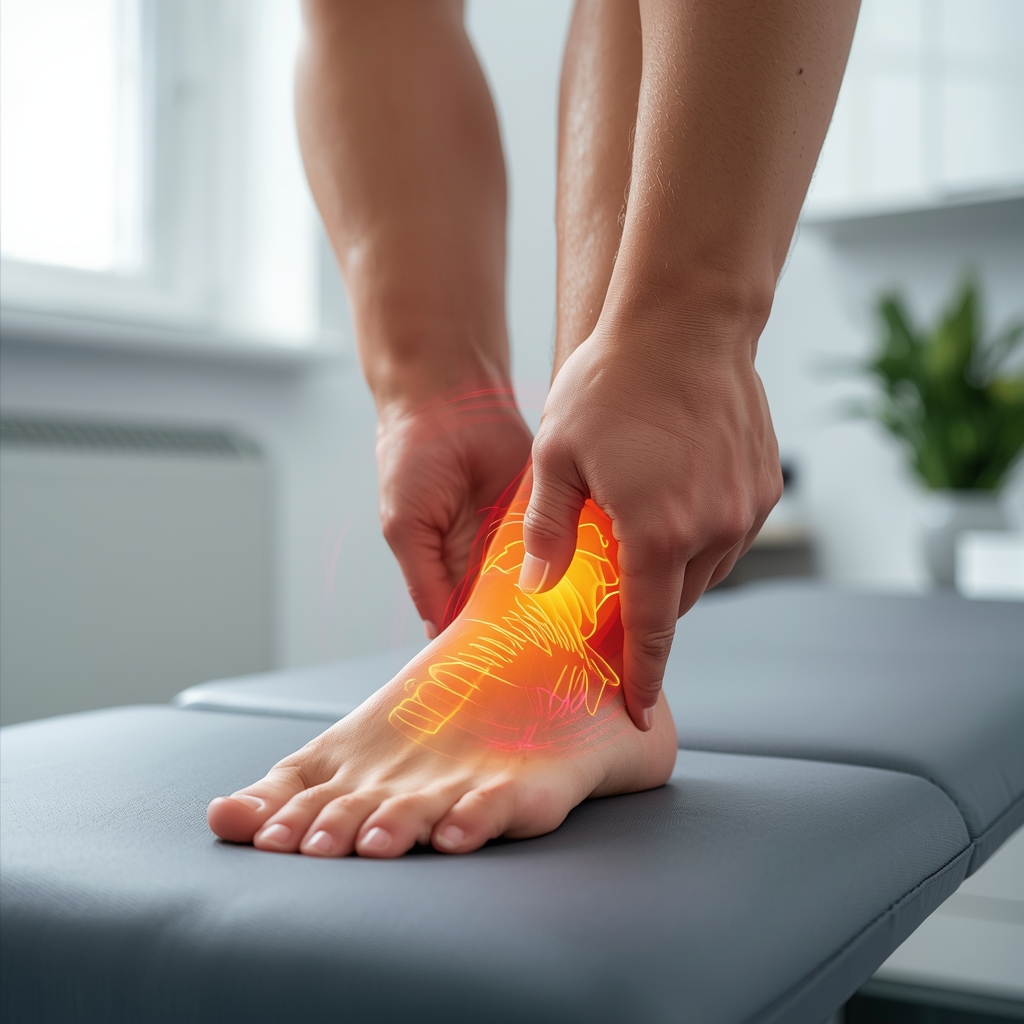
Understanding the Graston Technique and Traditional Soft Tissue Mobilization
The Graston Technique is a form of instrument-assisted soft tissue mobilization (IASTM) that uses specialized tools to detect and treat fascial restrictions and scar tissue. Traditional soft tissue mobilization (STM) involves manual techniques performed by a practitioner’s hands to address muscle tension, adhesions, and restricted movement. Both approaches aim to improve mobility, reduce pain, and enhance recovery by targeting soft tissues. Chronic plantar fasciitis, a common condition causing heel pain, often involves inflammation and microtears in the plantar fascia. While STM relies on tactile feedback and manual pressure, the Graston Technique leverages tools to access deeper tissues and identify areas of dysfunction. Practitioners may combine these methods with stretching, strengthening, and lifestyle adjustments for optimal outcomes. Understanding their differences helps patients and providers choose the most suitable approach for individual needs.
How Each Technique Addresses Chronic Plantar Fasciitis
Traditional soft tissue mobilization focuses on manual manipulation of the plantar fascia and surrounding muscles to break up adhesions and improve blood flow. Techniques like myofascial release or deep tissue massage are commonly used. In contrast, the Graston Technique employs stainless steel instruments to glide over the skin, detecting and treating areas of scar tissue or restricted movement. The tools allow for more precise pressure application, potentially reaching deeper layers of tissue than manual methods. Both approaches aim to reduce pain and restore function, but the Graston Technique’s tools may offer enhanced accessibility to hard-to-reach areas. For chronic plantar fasciitis, where tissue stiffness and inflammation persist, these methods can complement other treatments like orthotics or physical therapy. However, the choice between them often depends on patient preference, practitioner expertise, and the severity of the condition.
Effectiveness and Evidence-Based Insights
Research on the Graston Technique and traditional soft tissue mobilization for plantar fasciitis remains limited, with most evidence coming from clinical observations and small-scale studies. Some practitioners report that the Graston Technique’s precision may lead to faster pain relief and improved mobility, though results vary. Traditional STM is widely used and supported by general consensus as a viable option for soft tissue rehabilitation. Both methods are often part of a broader treatment plan, including stretching, footwear modifications, and activity adjustments. Patients may experience relief through either approach, but individual responses can differ. It’s important to note that no single technique guarantees success, and outcomes depend on factors like adherence to therapy, overall health, and the expertise of the provider. Consulting a chiropractor or physical therapist can help determine the best strategy for chronic plantar fasciitis.
Safety and Potential Risks
Both the Graston Technique and traditional soft tissue mobilization are generally safe when performed by trained professionals. However, improper technique or excessive pressure can lead to bruising, soreness, or temporary discomfort. The Graston Technique’s tools may increase the risk of skin irritation if not used correctly, while manual STM could cause strain on the practitioner’s hands. Patients with sensitive skin, bleeding disorders, or severe inflammation should exercise caution. It’s crucial to communicate any pain or adverse reactions during treatment. While these methods are considered low-risk, they are not substitutes for medical evaluation, especially for conditions requiring imaging or other diagnostic tests. Always seek guidance from a qualified chiropractor or healthcare provider to ensure safe and appropriate care for chronic plantar fasciitis.
Patient Experiences and Practical Considerations
Patients often report varying experiences with the Graston Technique and traditional soft tissue mobilization. Some find the Graston Technique more effective due to its targeted approach, while others prefer the hands-on feel of STM. Factors like pain tolerance, treatment goals, and provider skill influence satisfaction levels. The Graston Technique may require multiple sessions to achieve results, and some patients describe a “deep tissue” sensation during treatment. Traditional STM is often perceived as more gentle but may need consistent sessions for lasting benefits. Cost, insurance coverage, and availability of practitioners can also impact decisions. Open communication with a healthcare provider about expectations and concerns is key. Ultimately, the choice between these techniques depends on individual needs, comfort, and the provider’s recommendation.
Choosing the Right Approach for Chronic Plantar Fasciitis
Deciding between the Graston Technique and traditional soft tissue mobilization for chronic plantar fasciitis involves evaluating personal preferences, treatment goals, and professional guidance. The Graston Technique’s tools may offer enhanced precision for targeting specific areas, while STM provides a more tactile, hands-on experience. Both methods can be part of a comprehensive care plan that includes stretching, orthotics, and lifestyle changes. Patients should discuss their medical history, current symptoms, and treatment expectations with a chiropractor or physical therapist. A provider can assess the condition’s severity and recommend the most suitable approach. It’s also important to consider practical factors like session frequency, cost, and accessibility. Ultimately, the best choice depends on individual needs and the expertise of the healthcare provider, ensuring a safe and effective path to recovery.














