
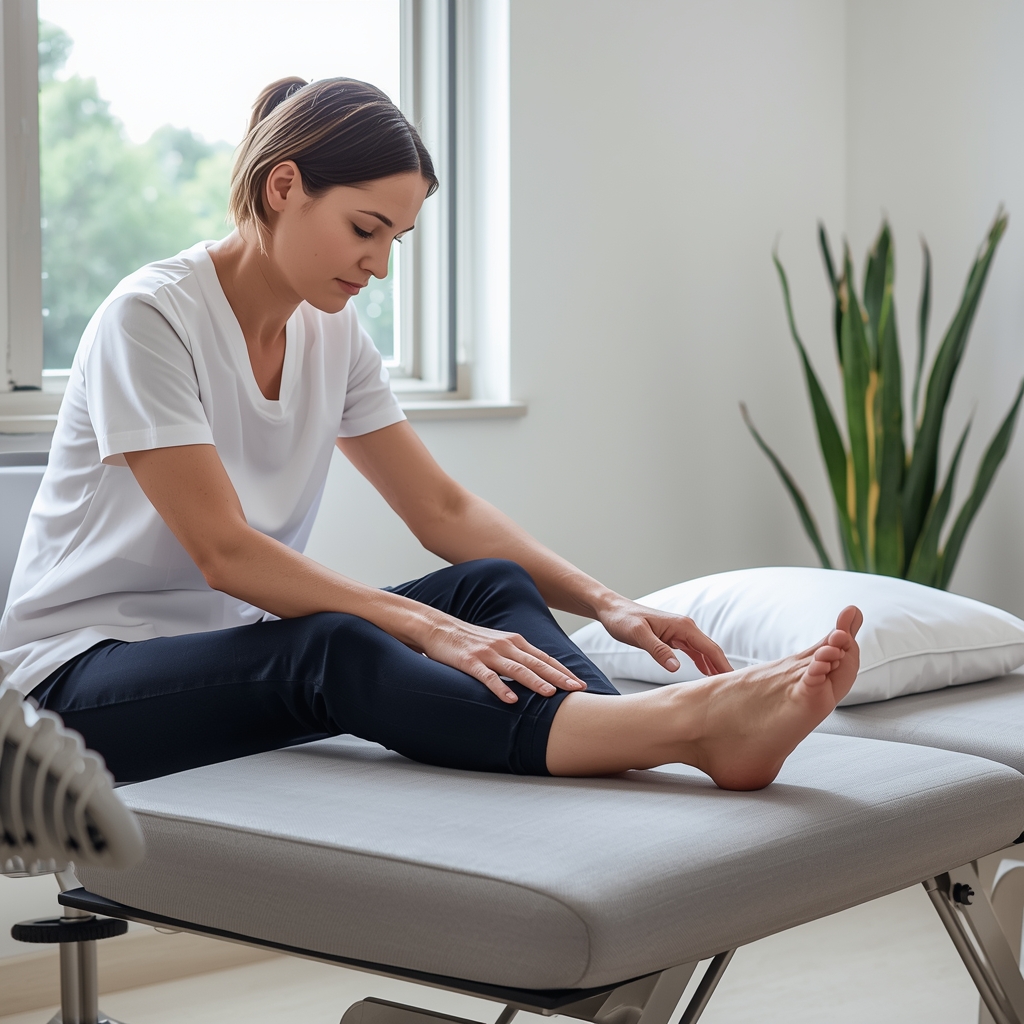
Understanding the Graston Technique and Chronic Plantar Fasciitis
The Graston Technique is a form of instrument-assisted soft tissue therapy designed to detect and treat areas of restricted movement caused by scar tissue or adhesions. It involves using specialized tools to gently massage and break down these restrictions, promoting healing and improving mobility. Chronic plantar fasciitis, a common condition causing heel pain due to inflammation of the plantar fascia, often benefits from such interventions. While traditional massage therapy focuses on general relaxation and blood flow, the Graston Technique targets specific areas of tension, offering a more precise approach. Both methods aim to alleviate pain and restore function, but their mechanisms and applications differ. Understanding the evidence behind these treatments helps patients and practitioners make informed decisions about care options.
Evidence Supporting the Graston Technique
Although specific studies on the Graston Technique for plantar fasciitis are limited, the technique is grounded in principles of soft tissue mobilization, which are widely recognized in musculoskeletal care. Proponents argue that the tools used in the Graston Technique enhance the therapist’s ability to identify and address scar tissue, potentially accelerating recovery. This approach aligns with broader medical consensus that regular movement and targeted interventions can improve outcomes for chronic conditions. However, the lack of large-scale, peer-reviewed research means that its effectiveness remains an area of ongoing exploration. Patients considering the Graston Technique should discuss its potential benefits and risks with a qualified chiropractor or physical therapist to determine if it aligns with their individual needs.
Traditional Massage Therapy for Plantar Fasciitis
Traditional massage therapy focuses on relieving muscle tension, improving circulation, and reducing inflammation through manual techniques. For plantar fasciitis, this may involve kneading the foot and lower leg to ease discomfort and promote healing. While less targeted than the Graston Technique, massage therapy is often praised for its holistic benefits, including stress reduction and overall relaxation. Many patients find it helpful as part of a comprehensive treatment plan. However, its effectiveness can vary depending on the therapist’s skill and the patient’s condition. Since plantar fasciitis involves complex biomechanical factors, massage therapy is typically used alongside other interventions, such as stretching or orthotics. As with any therapy, results depend on consistent application and professional guidance.
Comparing Graston Technique and Traditional Massage
The Graston Technique and traditional massage both aim to reduce pain and improve mobility but differ in execution and focus. The Graston Technique uses instruments to detect and break down scar tissue, potentially offering more precise treatment for localized issues. Traditional massage, by contrast, relies on manual pressure to address broader areas of tension. Some patients may prefer the Graston Technique for its targeted approach, while others may favor the soothing nature of traditional massage. Research on their comparative effectiveness is limited, and individual responses can vary. A chiropractor can help determine which method better suits a patient’s condition, considering factors like pain tolerance, treatment goals, and overall health. Both techniques should be part of a broader care strategy for chronic plantar fasciitis.
Patient Considerations and Professional Guidance
When choosing between the Graston Technique and traditional massage, patients should consider their unique needs and preferences. The Graston Technique may appeal to those seeking a more structured, tool-assisted approach, while traditional massage might be preferred for its relaxing effects. However, neither method is a standalone solution for chronic plantar fasciitis. A chiropractor can assess the underlying causes of the condition and recommend a tailored treatment plan. It’s important to note that results may vary, and patience is often required. Patients should communicate openly with their healthcare provider about their expectations and any discomfort during treatment. Ultimately, the goal is to find a safe, effective way to manage symptoms and improve quality of life.
Conclusion: Weighing Options for Chronic Plantar Fasciitis
The Graston Technique and traditional massage therapy offer distinct approaches to managing chronic plantar fasciitis, each with its own advantages. While the Graston Technique emphasizes targeted soft tissue mobilization, traditional massage focuses on overall relaxation and circulation. Evidence supporting these methods is largely anecdotal or based on general principles of musculoskeletal care. Patients should consult with a chiropractor or physical therapist to explore which option aligns best with their condition and goals. Both techniques may be part of a broader treatment strategy, including stretching, orthotics, or lifestyle adjustments. Ultimately, the decision should be informed by professional guidance and individual response, ensuring a safe and effective path to recovery.













