
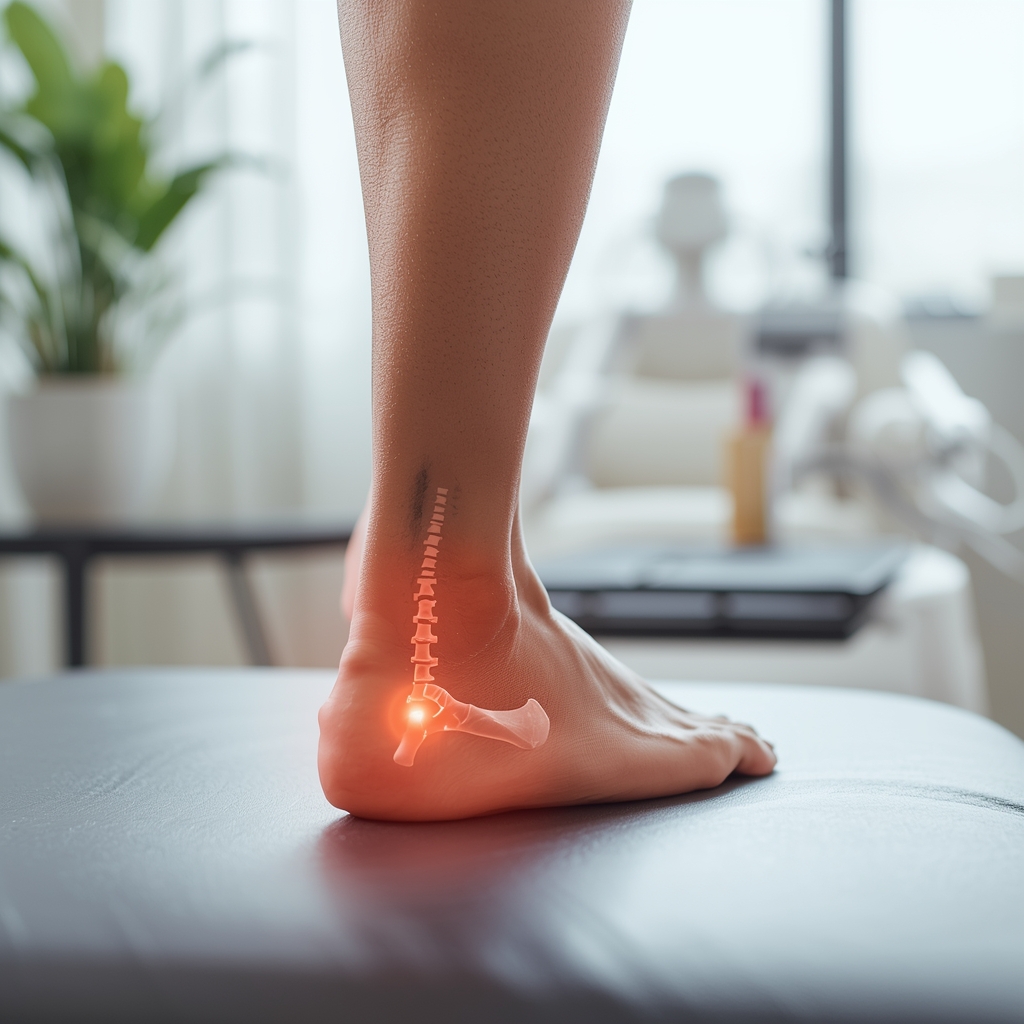
Understanding the Graston Technique for Chronic Plantar Fasciitis
The Graston Technique is a form of instrument-assisted soft tissue mobilization that uses specialized tools to detect and treat areas of soft tissue restriction. For chronic plantar fasciitis, this method targets the plantar fascia and surrounding muscles to reduce inflammation, break down scar tissue, and restore normal movement. While research on its efficacy for this specific condition is limited, many practitioners report improved outcomes when combined with traditional therapies. The technique works by applying controlled pressure to the affected area, which may help stimulate blood flow and promote healing. Patients often describe a sensation of deep pressure or mild discomfort during sessions, which typically subsides after treatment. It is important to note that the Graston Technique is not a standalone solution but part of a comprehensive care plan. Always consult a qualified chiropractor or physical therapist to determine if this approach suits your condition.
Key Protocols for Chronic Plantar Fasciitis
Effective Graston Technique protocols for chronic plantar fasciitis often involve a combination of tool-assisted mobilization and targeted exercises. Sessions typically begin with a thorough assessment to identify areas of tightness or adhesion in the plantar fascia and calf muscles. Practitioners may use the Graston tools to glide along the foot’s arch, heel, and lower leg, focusing on regions with the most tension. The number of sessions required varies, but many patients undergo 6–10 treatments spaced 1–2 weeks apart. Some protocols emphasize repetitive, gentle movements to avoid further irritation, while others incorporate more intensive pressure to address stubborn scar tissue. A personalized approach is critical, as the severity and duration of plantar fasciitis influence the treatment plan. Patients are often advised to avoid high-impact activities post-treatment to allow tissues to heal. While no single protocol guarantees success, consistency and adherence to a practitioner’s guidance are key factors in achieving long-term relief.
Combining Graston with Other Therapies
The Graston Technique is most effective when integrated with complementary treatments for chronic plantar fasciitis. Stretching routines, such as calf stretches and plantar fascia-specific exercises, can enhance the technique’s benefits by maintaining flexibility and preventing reattachment of scar tissue. Orthotic devices or custom shoe inserts may also be recommended to support the arch and reduce strain on the affected area. Physical therapy exercises focusing on foot and ankle strength can further stabilize the foot structure, complementing the Graston sessions. In some cases, patients receive additional therapies like ultrasound or cold laser treatment to reduce inflammation. It is essential to coordinate these approaches under professional supervision to avoid overloading the tissues. By combining Graston with these strategies, patients may experience faster recovery and a lower risk of recurrence. However, individual results can vary, and a chiropractor can help tailor the plan to specific needs and goals.
Factors Influencing Treatment Success
Several factors can affect the success of Graston Technique protocols for chronic plantar fasciitis. Patient compliance with home care instructions, such as stretching and avoiding aggravating activities, plays a significant role in outcomes. The skill and experience of the practitioner also matter, as proper technique ensures safe and effective treatment. Additionally, the patient’s overall health, including conditions like diabetes or obesity, may influence how quickly tissues heal. Consistency in attending scheduled sessions and following post-treatment care guidelines is crucial for long-term results. Some individuals may require adjustments to their protocol based on their response to initial treatments. For example, those with severe inflammation might benefit from shorter, more frequent sessions, while others may need longer intervals between treatments. Open communication with the healthcare provider allows for timely modifications to the plan. Ultimately, success depends on a collaborative approach between the patient and practitioner, with a focus on gradual, sustainable progress.
When to Seek Professional Guidance
Chronic plantar fasciitis can be complex, and the Graston Technique should only be administered by a trained professional with experience in soft tissue mobilization. A qualified chiropractor or physical therapist can assess the condition’s severity, rule out other potential causes of heel pain, and design a customized treatment plan. Self-treatment with Graston tools is not recommended, as improper use may worsen symptoms or cause additional injury. Patients should also inform their practitioner about any underlying health conditions, medications, or previous treatments that could affect the approach. Regular follow-ups allow for monitoring progress and making necessary adjustments to the protocol. If pain persists or worsens despite treatment, further evaluation may be needed to explore alternative options. Professional guidance ensures that the Graston Technique is used safely and effectively, maximizing the chances of a successful recovery while minimizing risks.
Summary and Next Steps
The Graston Technique offers a potential option for managing chronic plantar fasciitis by addressing soft tissue restrictions and promoting healing. While no single protocol is universally effective, combining the technique with stretching, orthotics, and physical therapy often yields the best results. Patients should work closely with a qualified chiropractor to develop a personalized plan that aligns with their specific needs and goals. It is essential to approach treatment with patience, as chronic conditions may require multiple sessions and lifestyle adjustments for lasting relief. Open communication with healthcare providers ensures that any concerns or changes in symptoms are addressed promptly. By taking a proactive and informed approach, individuals with chronic plantar fasciitis can explore various treatment avenues and find the most suitable solution for their condition. Always consult a professional before starting any new therapy to ensure safety and effectiveness.















