
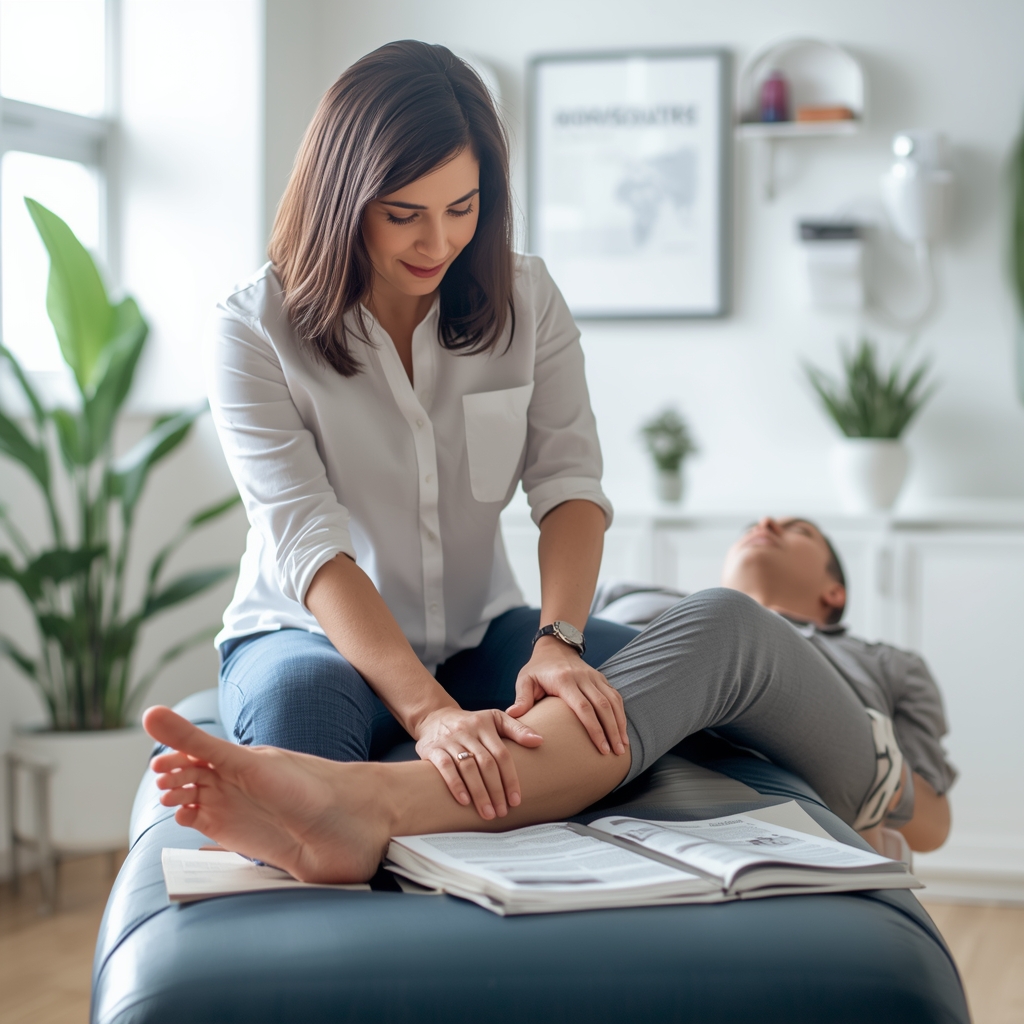
Introduction to Graston Technique and Plantar Fasciitis
The Graston Technique is a form of instrument-assisted soft tissue mobilization designed to detect and treat areas of restricted movement caused by scar tissue or adhesions. It involves using specialized tools to gently massage and break down these restrictions, promoting healing and improving mobility. Plantar fasciitis, a common condition characterized by pain in the heel and bottom of the foot, often results from inflammation of the plantar fascia, a thick band of tissue connecting the heel to the toes. This condition can significantly impact daily activities, making it essential to explore effective treatment protocols. While various therapies exist, the Graston Technique has gained attention for its potential to address the underlying soft tissue issues associated with plantar fasciitis. Understanding how to apply this technique effectively is crucial for patients seeking relief and improved function.
Key Protocols for Graston Technique Application
When applying the Graston Technique for plantar fasciitis, practitioners typically follow a structured approach to ensure safety and efficacy. The process begins with a thorough assessment of the affected area to identify regions of tightness or adhesion. The chiropractor or therapist then uses the Graston instruments to apply controlled pressure along the plantar fascia, focusing on areas of restriction. This mobilization helps to break down scar tissue, reduce inflammation, and enhance blood flow to the region. Sessions usually last 10-15 minutes, with multiple treatments often recommended for optimal results. It is important to note that the technique should be tailored to the individual’s pain tolerance and condition severity. Patients may experience some discomfort during the procedure, but it should not be excessively painful. Consistency and adherence to the prescribed protocol are key to achieving long-term relief from plantar fasciitis symptoms.
Integration with Other Therapies
The Graston Technique is often used in conjunction with other therapeutic approaches to maximize outcomes for plantar fasciitis. Physical therapy exercises, such as stretching and strengthening routines, can complement the technique by improving flexibility and supporting the foot’s structure. Orthotic devices may also be recommended to provide additional support and reduce strain on the plantar fascia. In some cases, complementary therapies like massage or ultrasound may be integrated to further alleviate pain and promote healing. Chiropractors may also address biomechanical imbalances in the lower extremities, such as overpronation, which can contribute to plantar fasciitis. By combining the Graston Technique with these strategies, practitioners can create a comprehensive treatment plan that addresses both the symptoms and underlying causes of the condition. This multidisciplinary approach enhances the likelihood of successful recovery and long-term symptom management.
Safety Considerations and Precautions
While the Graston Technique is generally safe when performed by a trained professional, certain precautions should be taken to minimize risks. Patients with conditions such as osteoporosis, active infections, or open wounds should avoid the technique, as it may exacerbate existing issues. It is crucial to consult a qualified chiropractor or therapist to determine if the Graston Technique is appropriate for an individual’s specific condition. During the procedure, practitioners must monitor the patient’s response to ensure that the pressure applied is within a comfortable range. Excessive force can lead to bruising or further irritation of the affected tissues. Additionally, patients should be advised to report any unusual pain or adverse reactions immediately. Following the treatment, gentle stretching and icing may help manage any temporary soreness. Adhering to these safety measures ensures a safer and more effective therapeutic experience for those seeking relief from plantar fasciitis.
Patient Preparation and Post-Treatment Care
Proper preparation and aftercare are essential to optimize the benefits of the Graston Technique for plantar fasciitis. Before a session, patients should inform their chiropractor about any existing medical conditions, medications, or previous injuries that may affect treatment. Wearing comfortable, loose-fitting clothing can facilitate access to the treatment area. After the session, patients may experience mild soreness, similar to a deep tissue massage, which typically resolves within a day or two. Applying ice to the treated area can help reduce inflammation and discomfort. Patients are also encouraged to follow any prescribed stretching or strengthening exercises to maintain the improvements achieved during the session. Hydration is important to support the body’s natural healing processes. It is advisable to avoid strenuous activities that may strain the foot for 24-48 hours post-treatment. By adhering to these guidelines, patients can enhance the effectiveness of the Graston Technique and promote faster recovery.
Conclusion and Recommendations
The Graston Technique offers a valuable approach to managing plantar fasciitis by targeting the soft tissue restrictions that contribute to the condition. When applied by a trained professional, it can help alleviate pain, improve mobility, and support the body’s natural healing processes. However, the effectiveness of the technique depends on proper application, individualized treatment plans, and integration with other therapeutic strategies. Patients considering the Graston Technique should consult a qualified chiropractor to discuss their specific needs and ensure the treatment aligns with their overall care plan. While this method can be beneficial, it is not a standalone solution and works best as part of a comprehensive approach to plantar fasciitis management. By combining the Graston Technique with exercises, orthotics, and lifestyle modifications, individuals can achieve lasting relief and improved foot function.















