
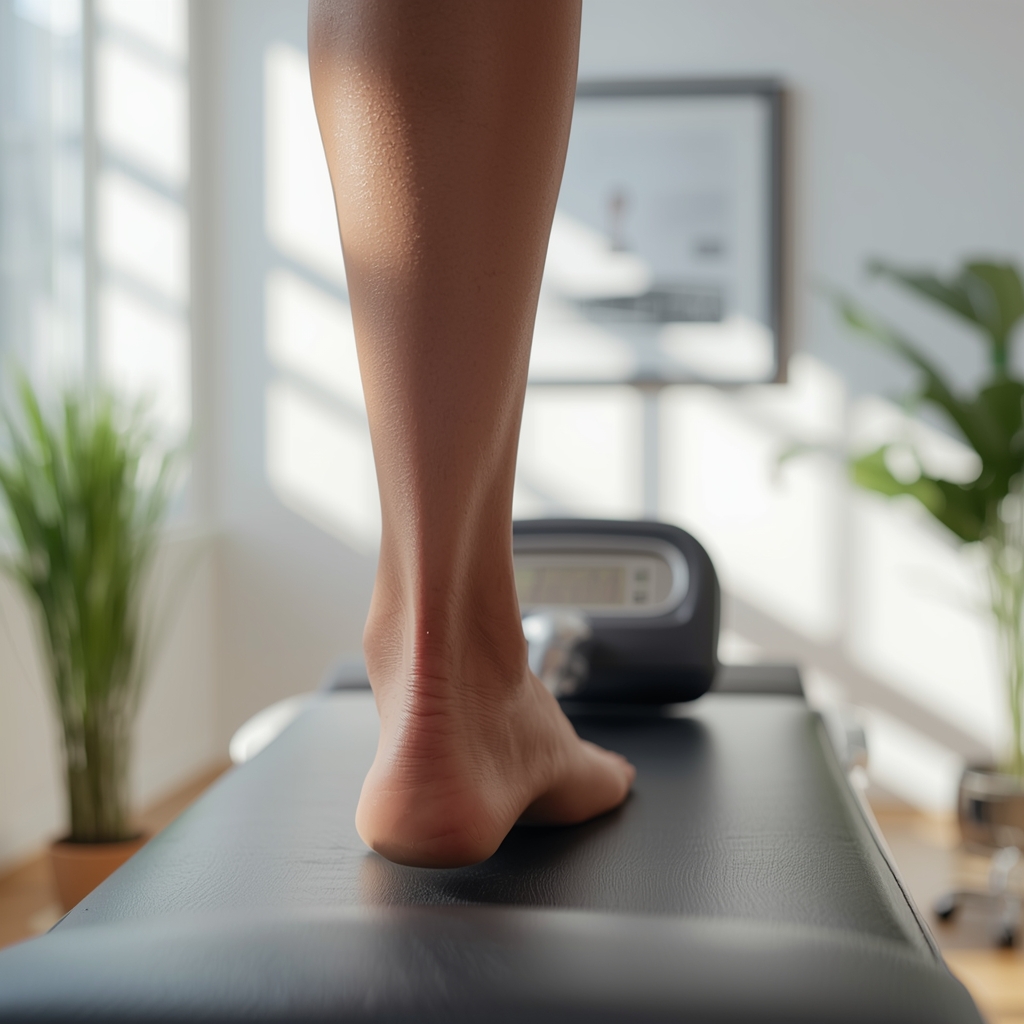
Understanding the Graston Technique for Plantar Fasciitis
The Graston Technique is a form of instrument-assisted soft tissue mobilization designed to break down scar tissue and fascial restrictions. For athletes with plantar fasciitis, this method targets the plantar fascia, a thick band of tissue connecting the heel to the toes. By using specialized tools to detect and treat areas of adhesion, the technique aims to restore normal tissue function and reduce pain. While not a standalone solution, it is often used alongside other therapies. Athletes may benefit from its ability to enhance blood flow and promote healing, though results vary based on individual factors. A chiropractor can evaluate whether this approach aligns with a broader treatment plan.
Key Protocols for Plantar Fasciitis Treatment
Effective Graston protocols for plantar fasciitis typically involve repetitive, controlled movements over the affected area using textured instruments. These tools help identify and release tight or fibrotic tissue, improving flexibility and reducing inflammation. Sessions may focus on the heel, arch, and toes, with adjustments based on the athlete’s pain levels and progress. Some practitioners combine the technique with stretching exercises or myofascial release to maximize outcomes. The exact number and frequency of sessions depend on the condition’s severity and the patient’s response. Athletes should work with a certified provider to ensure safe and effective application of these protocols.
How Graston Complements Chiropractic Care
Chiropractic care addresses spinal alignment and nerve function, which can indirectly influence foot mechanics and pain perception. When combined with the Graston Technique, this approach targets both structural and soft tissue imbalances. For example, a chiropractor might adjust the spine or lower extremities to improve biomechanics, while Graston treatments address plantar fascia restrictions. This dual strategy can enhance recovery by reducing stress on the affected tissue and promoting overall musculoskeletal harmony. Athletes often report faster pain relief and improved mobility when these therapies are integrated, though personalized assessment is crucial for optimal results.
The Role of Soft Tissue Mobilization in Recovery
Soft tissue mobilization, a core component of the Graston Technique, helps break down scar tissue and adhesions that form in response to plantar fasciitis. This process can restore the plantar fascia’s natural elasticity, reducing stiffness and discomfort. Athletes may experience temporary soreness during or after sessions, similar to deep tissue massage. When paired with chiropractic adjustments, this method can alleviate referred pain and improve gait patterns. By addressing both the root cause and contributing factors, the combined approach supports long-term recovery. Patients should communicate openly with their care team to manage expectations and adjust protocols as needed.
Benefits for Athletes and Performance
For athletes, plantar fasciitis can significantly impair performance, causing pain during movement and limiting training. The Graston Technique, when integrated with chiropractic care, offers a non-invasive option to manage symptoms and accelerate healing. By reducing inflammation and restoring tissue function, these therapies help athletes return to activity more quickly. Additionally, addressing biomechanical imbalances through chiropractic adjustments may prevent future injuries. While results depend on consistency and individual factors, many athletes find this combined approach beneficial. It is essential to work with qualified professionals to tailor the plan to specific needs and goals.
Conclusion: A Holistic Approach to Plantar Fasciitis
Treating plantar fasciitis in athletes requires a multifaceted strategy that addresses both structural and soft tissue components. The Graston Technique, when used alongside chiropractic care, provides a comprehensive solution by targeting adhesions and optimizing musculoskeletal function. This collaboration allows for personalized treatment plans that consider the athlete’s unique condition and activity level. While no single method guarantees success, combining these approaches can enhance recovery and reduce the risk of recurrence. Athletes should consult with licensed practitioners to explore how these therapies might fit into their overall care strategy.













