
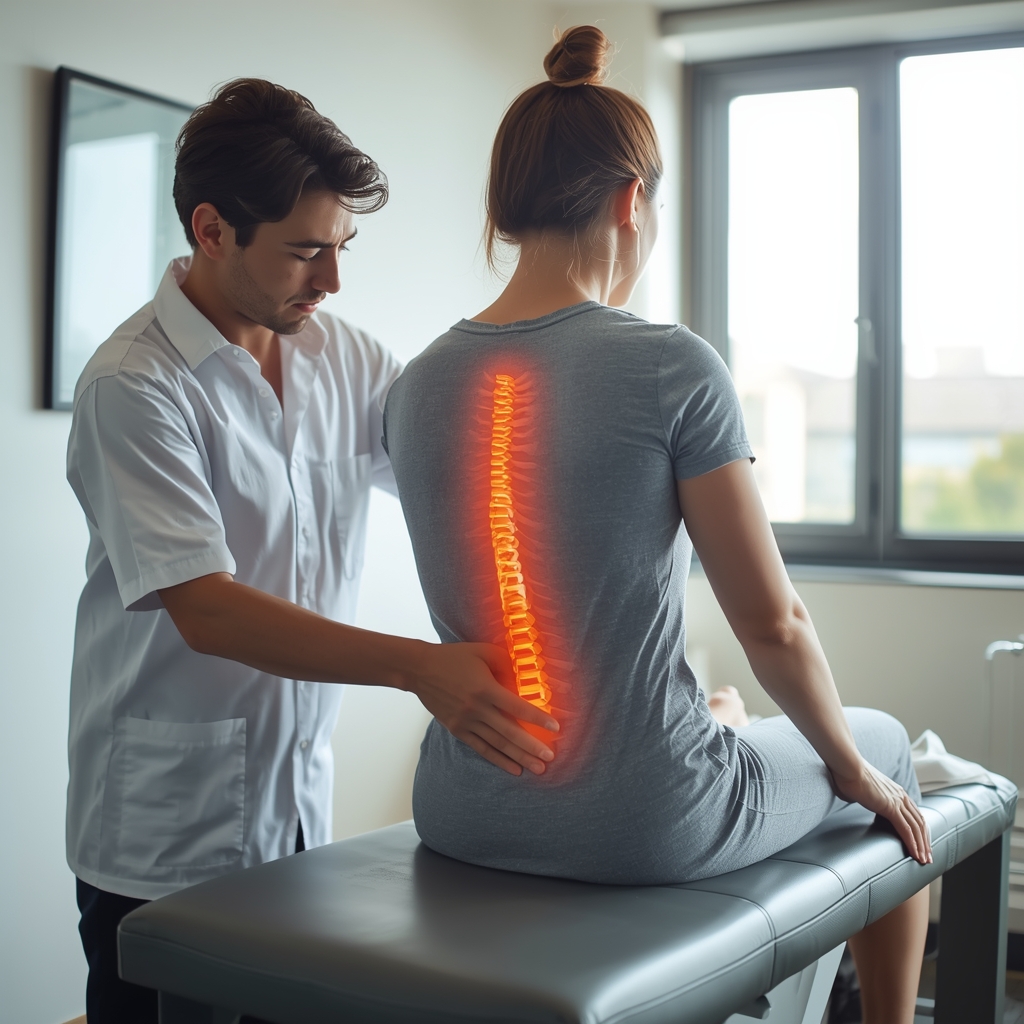
Understanding Chronic Tendinopathies and the Role of Soft Tissue Therapies
Chronic tendinopathies involve long-term degeneration of tendons, often leading to persistent pain and reduced mobility. These conditions, such as Achilles tendinitis or patellar tendinopathy, challenge traditional treatment approaches. Soft tissue therapies aim to address underlying restrictions, improve blood flow, and promote healing. The Graston Technique, an instrument-assisted method, is one such approach. It uses specialized tools to detect and break down scar tissue, potentially enhancing recovery. While other therapies like massage or Active Release Technique (ART) also target soft tissue, the Graston Technique’s unique instrumentation sets it apart. Understanding its evidence-based benefits and how it compares to alternatives is critical for patients and practitioners navigating treatment options.
Evidence-Based Benefits of the Graston Technique
Research suggests the Graston Technique may help reduce pain and improve function in chronic tendinopathies by targeting adhesions and fibrotic tissue. The technique’s tools allow for precise mobilization, potentially breaking down scar tissue that restricts movement. Some studies indicate it may stimulate collagen production, aiding tendon repair. Patients often report decreased pain and increased range of motion after sessions. However, evidence remains limited, with mixed results across trials. While no definitive consensus exists, many clinicians observe positive outcomes when integrating the Graston Technique into broader treatment plans. Its role in reducing inflammation and enhancing tissue elasticity is theorized but requires further investigation to establish robust clinical guidelines.
Comparing Graston to Active Release Technique (ART)
Active Release Technique (ART) and the Graston Technique both address soft tissue restrictions but differ in methodology. ART relies on the practitioner’s hands to apply pressure and tension while the patient moves, targeting specific areas of restriction. The Graston Technique uses metal instruments to glide over the skin, detecting adhesions through tactile feedback. While both aim to restore mobility, the Graston’s tools may allow for deeper tissue engagement in some cases. However, ART’s manual approach offers greater adaptability to individual patient needs. Neither method has been definitively proven superior, and outcomes often depend on the practitioner’s skill and the patient’s condition. Patients may benefit from discussing both options with a healthcare provider to determine the best fit for their goals.
Graston vs. Traditional Massage Therapy
Traditional massage therapy focuses on general relaxation and improved circulation, whereas the Graston Technique targets specific soft tissue abnormalities. Massage can alleviate muscle tension and promote overall well-being, but it may lack the precision of instrument-assisted methods. The Graston Technique’s tools enable deeper penetration into restricted tissues, potentially addressing chronic issues more effectively. However, massage therapy remains valuable for patients seeking non-invasive, holistic care. Some studies suggest that combining Graston with massage may enhance outcomes by addressing both superficial and deep tissue layers. Ultimately, the choice depends on the patient’s symptoms, preferences, and the practitioner’s expertise in selecting complementary approaches.
Graston and Physical Therapy Integration
Physical therapy often incorporates soft tissue mobilization as part of a comprehensive rehabilitation plan. While physical therapy emphasizes strengthening, flexibility, and functional movement, the Graston Technique focuses on breaking down scar tissue and improving tissue quality. Some clinicians integrate Graston into physical therapy sessions to accelerate recovery from tendinopathies. This combination may address both structural and biomechanical factors contributing to chronic pain. However, physical therapy typically includes a broader range of interventions, such as exercise and education. Patients should consider how Graston aligns with their overall treatment goals and consult a qualified provider to determine the most effective strategy for their condition.
Conclusion: Weighing Options for Chronic Tendinopathies
The Graston Technique offers a targeted approach to managing chronic tendinopathies by addressing soft tissue restrictions through instrumentation. While evidence of its efficacy is growing, results vary, and it is often used alongside other therapies. Comparisons with ART, massage, and physical therapy highlight the importance of individualized care. Patients should discuss their options with a chiropractor or healthcare provider to determine the best combination of treatments. Ultimately, the goal is to reduce pain, restore mobility, and support long-term recovery. As research continues, the role of the Graston Technique in chronic tendinopathy management will likely evolve, guided by clinical experience and emerging evidence.












