
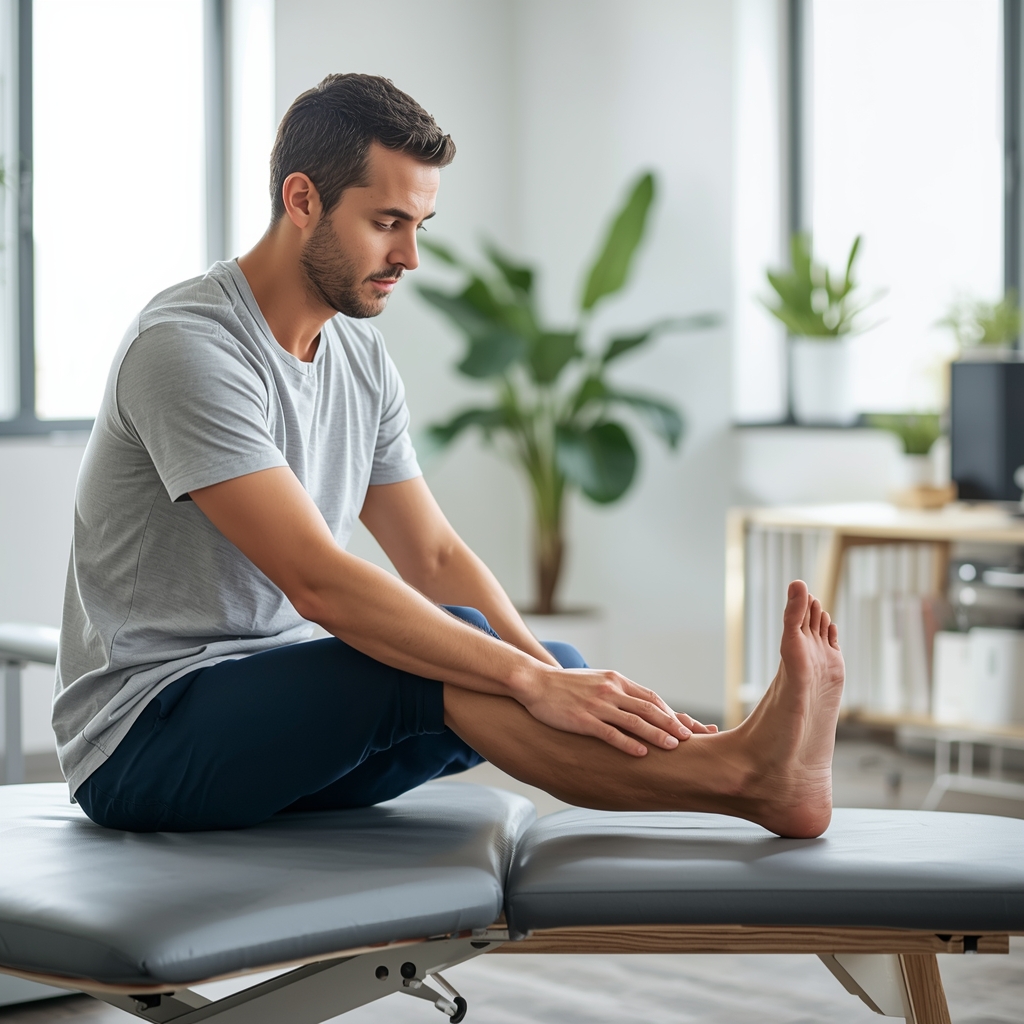
Understanding the Graston Technique for Achilles Tendinopathy
The Graston Technique is a form of instrument-assisted soft tissue mobilization designed to break down scar tissue and adhesions in muscles, tendons, and ligaments. For chronic Achilles tendinopathy, this approach may help restore mobility and reduce pain by targeting areas of restricted movement. While the technique is often used alongside other therapies, its effectiveness depends on proper application and patient-specific factors. Clinicians typically assess the severity of the condition before determining if Graston is an appropriate intervention. It is not a standalone solution but part of a broader treatment plan that may include stretching, strengthening, and activity modification.
Key Principles of Graston Protocol for Tendinopathy
Graston sessions for Achilles tendinopathy focus on identifying and treating areas of fibrosis or abnormal tissue texture. The technique uses specialized tools to detect and address adhesions, which are common in chronic overuse injuries. Sessions usually involve repeated strokes over the affected area, combined with patient movement to enhance tissue flexibility. The intensity and duration of each session are adjusted based on the patient’s tolerance and response. Research suggests that regular movement is broadly associated with better recovery outcomes, and Graston may complement this by promoting circulation and reducing stiffness. However, it is crucial to avoid overuse or excessive pressure, which could exacerbate symptoms.
Optimal Frequency and Duration of Treatments
Typically, Graston sessions for chronic Achilles tendinopathy are scheduled 1-2 times per week, depending on the patient’s condition and healing progress. Each session may last 15-30 minutes, focusing on targeted areas of the Achilles tendon and surrounding musculature. Patients often notice gradual improvements over several weeks, though individual responses vary. Consistency is key, as sporadic use may not yield significant benefits. It is important to monitor for signs of increased pain or inflammation, which could indicate the need for adjustments in the protocol. A qualified provider can guide the frequency and intensity of treatments to align with the patient’s overall rehabilitation goals.
Considerations for Patient Safety and Comfort
Before initiating Graston therapy, a thorough assessment is essential to rule out contraindications such as acute inflammation, open wounds, or severe vascular issues. For chronic Achilles tendinopathy, the technique should be applied with caution to avoid aggravating the tendon. Patients may experience mild discomfort during the session, but significant pain is a red flag requiring immediate adjustment. Hydration and post-treatment care, such as ice or gentle stretching, can help manage soreness. Open communication between the patient and provider is critical to ensure the protocol remains comfortable and effective. Regular follow-ups allow for ongoing evaluation and modification of the approach as needed.
Integration with Other Therapeutic Approaches
The Graston Technique is most effective when combined with complementary therapies for chronic Achilles tendinopathy. Physical therapy exercises, such as eccentric strengthening and flexibility routines, can enhance the benefits of Graston by addressing underlying muscle imbalances. Orthotics or footwear modifications may also be recommended to reduce strain on the tendon. In some cases, modalities like ultrasound or dry needling might be integrated to further support tissue healing. A multidisciplinary approach ensures that all aspects of the condition are addressed, from mechanical stressors to soft tissue health. Patients should discuss their full treatment plan with their chiropractor to optimize outcomes.
Conclusion: Tailoring Graston for Long-Term Relief
While the Graston Technique offers potential benefits for chronic Achilles tendinopathy, its success hinges on proper execution and individualized care. Patients should work closely with a qualified provider to develop a protocol that aligns with their specific needs and goals. Regular reassessment and adjustments are vital to maintaining progress and preventing setbacks. By combining Graston with other evidence-based interventions, individuals may achieve improved function and reduced discomfort. As with any treatment, results vary, and open dialogue with healthcare professionals is essential for the best possible outcomes.














