
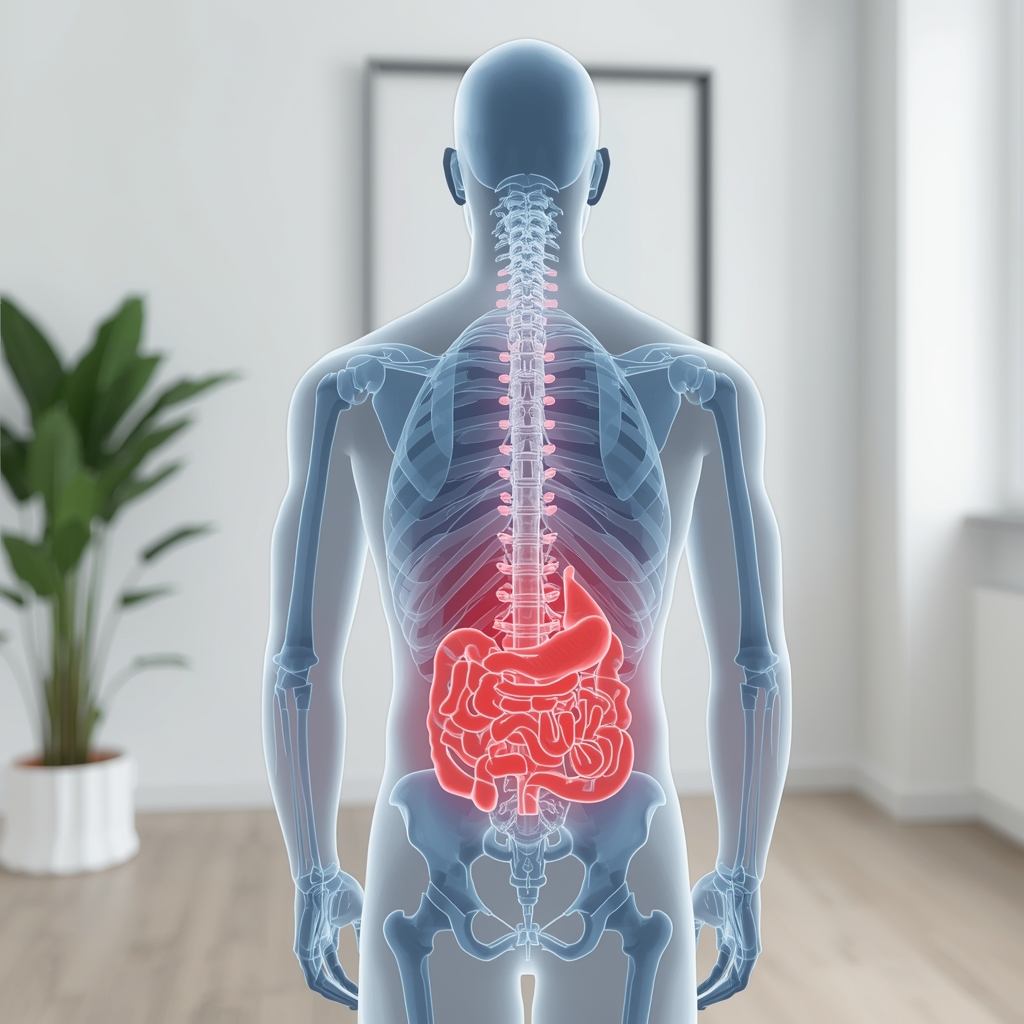
What Is the Connection Between Spinal Alignment and Digestive Health, and How Can Chiropractors Address It?
## The Nervous System's Role in Digestive Function
The spine serves as the central pathway for nerve signals connecting the brain to the digestive system. The vagus nerve, a key component of the parasympathetic nervous system, regulates digestion by controlling stomach acid production, gut motility, and enzyme secretion. Spinal misalignments, or subluxations, may interfere with these nerve signals, potentially disrupting digestive processes. While research on this specific connection remains evolving, many chiropractors observe that restoring spinal balance can support overall nervous system efficiency, which may indirectly influence gastrointestinal health. This relationship underscores the importance of spinal integrity in maintaining bodily functions beyond musculoskeletal health.
## How Spinal Misalignments Affect Digestive Health
When the spine is out of alignment, it can create pressure on nerves that control digestive organs. This interference might lead to symptoms like bloating, constipation, or acid reflux. For example, misalignments in the thoracic region could affect the nerves supplying the stomach and intestines, while lumbar issues might impact the colon. Chiropractors evaluate these patterns to identify potential sources of nerve disruption. By addressing spinal imbalances, they aim to reduce pressure on these nerves, potentially improving digestive function. However, it's important to note that digestive issues often have multiple causes, and chiropractic care is typically part of a broader approach to wellness.
## Chiropractic Adjustments and Digestive Support
Spinal adjustments are a primary tool chiropractors use to address alignment issues. By gently realigning the vertebrae, these adjustments may relieve pressure on nerves involved in digestive regulation. For instance, correcting a misaligned thoracic spine could enhance vagus nerve function, supporting optimal stomach activity. Chiropractors may also use soft tissue techniques to release tension in muscles that indirectly affect spinal positioning. While some patients report improved digestion after care, results vary based on individual conditions. A chiropractor can assess your specific situation and determine if spinal adjustments might complement other strategies for digestive wellness.
## Additional Chiropractic Techniques for Digestive Health
Beyond spinal adjustments, chiropractors employ various methods to support digestive function. Soft tissue therapies, such as myofascial release, can alleviate tension in the abdominal muscles and surrounding areas, potentially reducing pressure on internal organs. Some practitioners also use nutritional guidance or recommend lifestyle modifications to address digestive concerns. Techniques like activator methods or drop table adjustments may be employed for gentler care. These approaches aim to create a more balanced nervous system, which can indirectly influence gastrointestinal health. As with any treatment, discussing options with a qualified chiropractor ensures care aligns with your unique needs.
## Collaborating with Healthcare Providers for Comprehensive Care
While chiropractic care can play a role in supporting digestive health, it's essential to work alongside other healthcare professionals. Digestive issues often require a multidisciplinary approach, involving gastroenterologists, dietitians, or primary care physicians. Chiropractors may refer patients to these specialists when underlying conditions like IBS, gastritis, or food intolerances are suspected. Open communication between providers ensures a cohesive treatment plan that addresses both structural and physiological factors. Patients should always consult licensed healthcare practitioners before making changes to their care routine, especially for persistent or severe symptoms.
## Understanding the Scope of Chiropractic Care for Digestion
Chiropractic care focuses on the body's innate ability to heal itself through proper nervous system function. While spinal adjustments may help alleviate nerve interference linked to digestion, they are not a substitute for medical treatment of specific gastrointestinal disorders. Patients seeking relief from digestive issues should view chiropractic care as one potential component of a broader wellness strategy. By prioritizing spinal health, individuals may experience improved overall function, but results depend on factors like diet, stress levels, and existing health conditions. Always consult a qualified chiropractor to explore how their services might support your unique health goals.













