
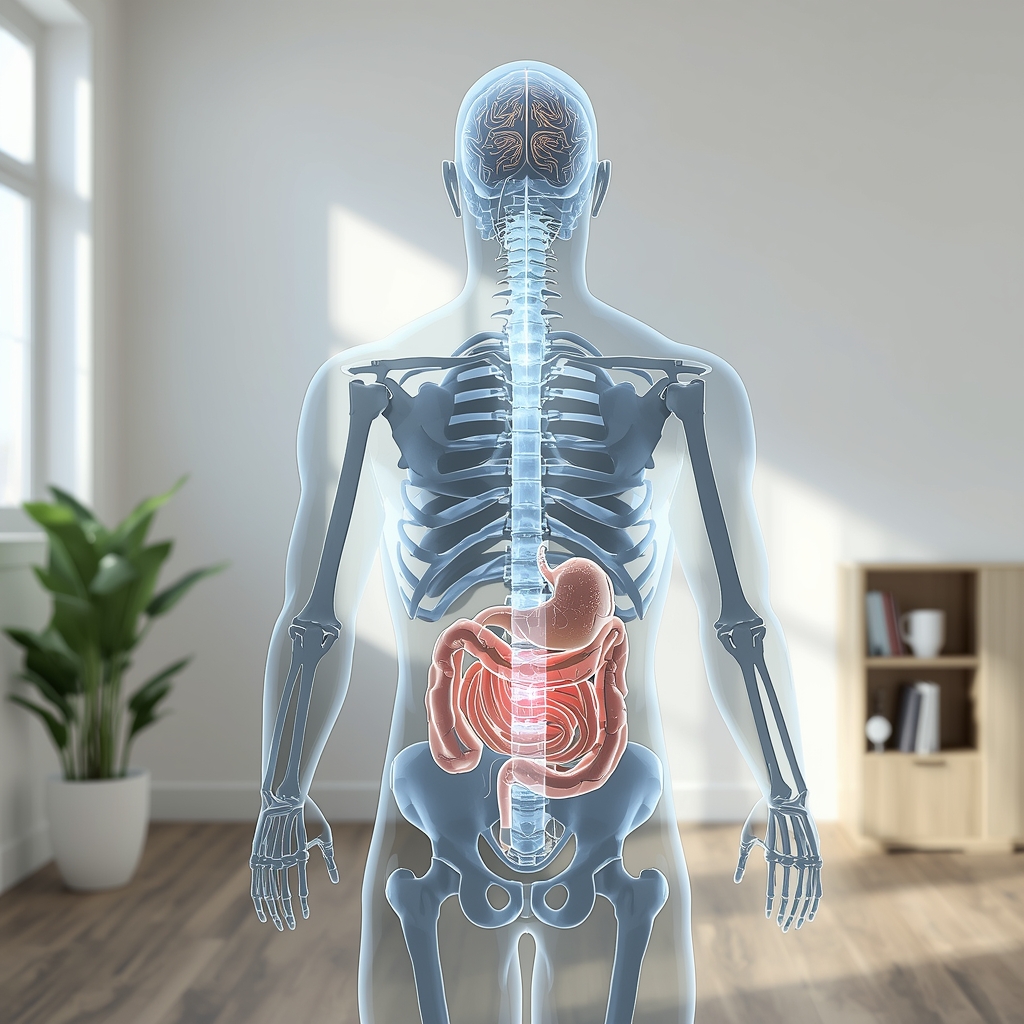
The Vagus Nerve and Gut-Brain Communication
The vagus nerve is a critical component of the parasympathetic nervous system, acting as a bidirectional communication highway between the brain and the gastrointestinal tract. This cranial nerve regulates essential functions like heart rate, digestion, and immune responses. It transmits signals from the brain to the gut, influencing motility, secretion, and inflammation, while also relaying sensory information from the digestive system back to the brain. This gut-brain axis plays a vital role in maintaining overall health, affecting mood, immunity, and even metabolic processes. Disruptions in vagal function—such as from stress, injury, or poor posture—may contribute to digestive issues like bloating, irritable bowel syndrome, or slow digestion. Understanding this connection highlights how spinal health could indirectly impact nervous system efficiency, potentially influencing digestive wellness.
Spinal Health and Nervous System Function
The spine houses and protects the spinal cord, which serves as the primary pathway for nervous system signals. Misalignments, or subluxations, in the spine can interfere with nerve communication, potentially affecting organs and systems throughout the body. For instance, vertebral adjustments aim to restore proper alignment, reducing pressure on nerves and promoting optimal function. The vagus nerve, which originates in the brainstem, travels through the cervical and thoracic spine, making its pathway susceptible to spinal irregularities. By addressing these misalignments, chiropractic care may support the nervous system’s ability to regulate digestion and other autonomic processes. While research on this specific connection is evolving, many practitioners believe that maintaining spinal integrity can enhance overall bodily function, including digestive health.
How Chiropractic Adjustments May Influence Digestive Health
Chiropractic adjustments focus on correcting spinal misalignments to improve nerve function, which could indirectly support digestive health. By alleviating pressure on nerves along the spine, adjustments may enhance communication between the brain and the gastrointestinal tract. For example, a misaligned vertebra in the thoracic region could theoretically disrupt signals to the stomach or intestines, leading to discomfort or inefficiency. While direct evidence linking chiropractic care to specific digestive outcomes is limited, some patients report improvements in symptoms like bloating or constipation after adjustments. These anecdotal reports suggest a potential role for spinal health in supporting the body’s natural regulatory mechanisms. However, it is essential to approach such claims with caution, as individual responses vary. Chiropractic care should be viewed as a complementary approach, not a substitute for medical treatment, and discussions with healthcare providers are recommended.
The Role of the Autonomic Nervous System
The autonomic nervous system (ANS) governs involuntary functions, including digestion, and is divided into the sympathetic (fight-or-flight) and parasympathetic (rest-and-digest) branches. The vagus nerve is a key player in the parasympathetic system, promoting relaxation and digestive activity. Stress or spinal misalignments can shift the ANS toward sympathetic dominance, impairing digestion and overall well-being. Chiropractic adjustments may help rebalance the ANS by reducing nerve interference, potentially enhancing vagal tone and digestive efficiency. Improved vagal function is associated with better gut motility, reduced inflammation, and enhanced nutrient absorption. While the exact mechanisms remain under study, the interplay between spinal health, the ANS, and digestion underscores the importance of holistic approaches. Patients seeking to support digestive wellness might explore chiropractic care as part of a broader strategy that includes diet, exercise, and stress management.
Supporting Digestive Wellness Through Chiropractic Care
Chiropractic care may contribute to digestive wellness by addressing factors that influence the nervous system’s regulation of the gut. While not a direct treatment for conditions like acid reflux or irritable bowel syndrome, adjustments can support the body’s innate ability to function optimally. For example, correcting spinal misalignments might reduce tension in the nervous system, allowing the vagus nerve to operate more efficiently. This could, in turn, promote healthier digestion and reduce symptoms like bloating or discomfort. However, it is important to recognize that digestive health is multifaceted, involving diet, lifestyle, and medical management. Chiropractic care should be integrated with other evidence-based practices, such as dietary modifications or consultations with gastroenterologists. Patients interested in this approach should work with qualified chiropractors to develop a personalized plan that aligns with their overall health goals and needs.
Consulting a Qualified Chiropractor for Personalized Guidance
Each individual’s nervous system and digestive health are unique, making it crucial to consult a qualified chiropractor for tailored advice. A professional can assess spinal alignment, identify potential nerve interference, and create a care plan that addresses specific concerns. While the relationship between the vagus nerve, spinal health, and digestion is complex, chiropractors are trained to evaluate and treat these connections holistically. They may also collaborate with other healthcare providers to ensure comprehensive care. Patients should be wary of claims that chiropractic adjustments can cure digestive disorders, as such assertions lack scientific backing. Instead, the focus should remain on supporting the body’s natural functions through safe, non-invasive methods. By fostering open communication with a trusted chiropractor, individuals can explore how spinal health might play a role in their digestive well-being.














